



Both studies met all success criteria, demonstrating high diagnostic performance and excellent inter-reader reliability.
The Food and Drug Administration (FDA) has approved Tauklarify™ (florquinitau F 18 injection) for positron emission tomography (PET) of the brain in adults with cognitive impairment who are being evaluated for Alzheimer disease to identify patients with tau neurofibrillary tangle (NFT) pathology
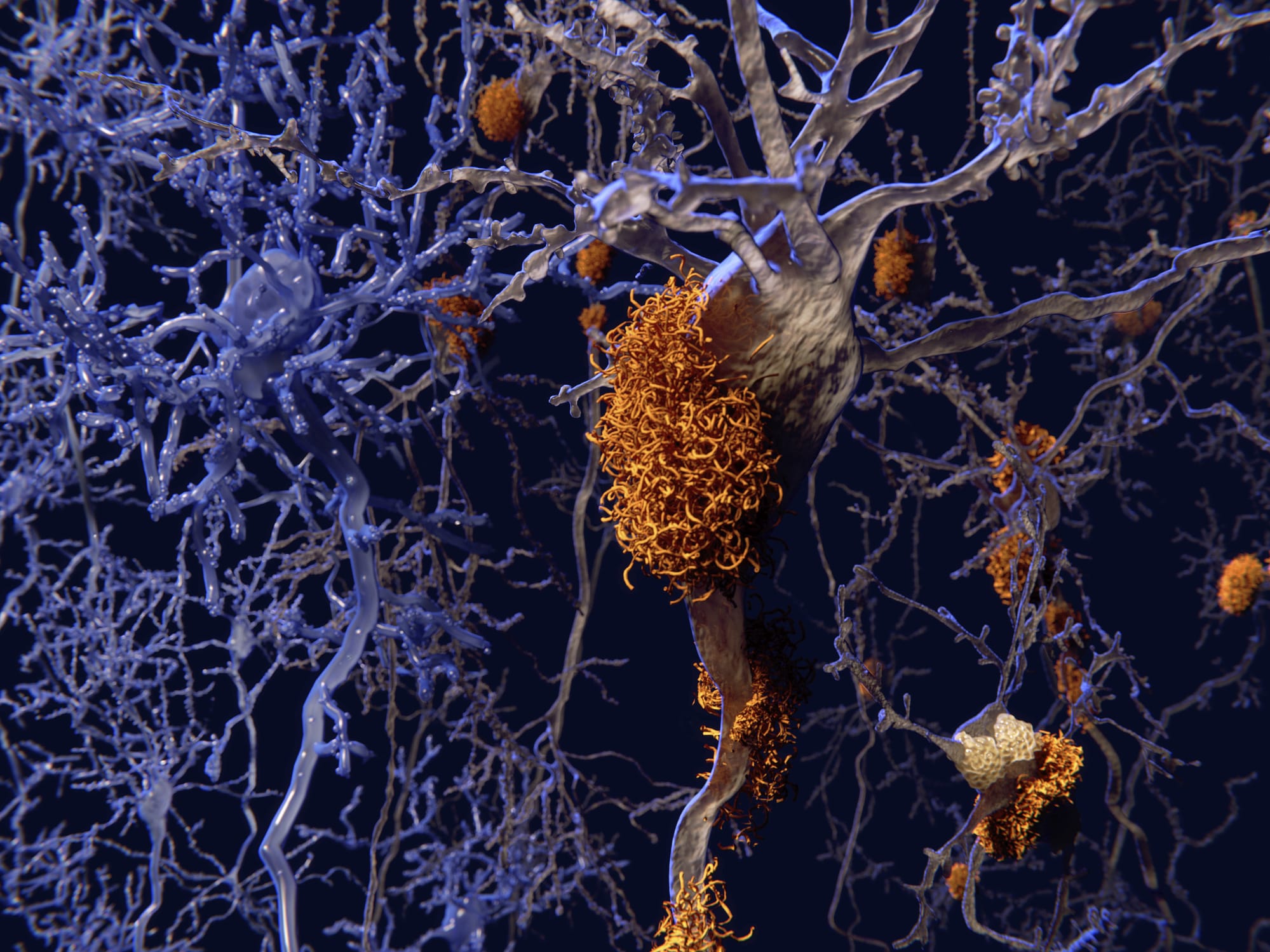
Florquinitau F 18 is a radioactive diagnostic agent that binds to aggregated tau protein. In Alzheimer disease, tau accumulates into NFTs, serving as one of two key components required for a neuropathological diagnosis
The approval was supported by data from 2 blinded read studies that evaluated florquinitau F 18 PET images acquired from 617 study participants enrolled in 3 clinical trials. The trials included participants with mild Alzheimer disease dementia (n=152; Stage 4), mild cognitive impairment (n=157; Stage 3), and those who were cognitively unimpaired (n=308).
Study participants received an approximate 185Mbq (5mCi) intravenous dose of florquinitau F 18 for the tau PET scan, in addition to undergoing an amyloid beta PET scan.
In both studies, 5 blinded independent readers assigned scans as either positive or negative for tau NFT pathology. These were then compared against a preestablished reference group based on cognitive and amyloid beta PET pathology status.
The studies evaluated Positive Percent Agreement (PPA; the proportion of patients with a positive florquinitau F 18 PET result among those who were tau reference standard positive), as well as Negative Percent Agreement (NPA; proportion of patients with a negative florquinitau F 18 PET result among those who were tau reference standard negative).
Results showed both studies met their prespecified success criteria:
- Study 1 (n=279)
- PPA: 80% (95% CI, 72-86) to 88% (95% CI, 82-93)
- NPA: 98% (95% CI, 94-99) to 99% (95% CI, 95-100)
- Study 2 (n=338)
- PPA: 68% (95% CI, 61-75) to 82% (95% CI, 76-87)
- NPA: 93% (95% CI, 89-96) to 99% (95% CI, 97-100)
Notably, both studies also demonstrated high inter-reader agreement, with a generalized Fleiss kappa of 0.92 (95% CI, 0.89-0.96) and 0.86 (95% CI, 0.82-0.89) in Studies 1 and 2, respectively.The most common adverse reactions reported with treatment were headache, nausea, injection site reactions, dizziness, and abdominal discomfort. The prescribing information also includes warnings and precautions regarding the risk of misdiagnosis and radiation.
“Tauklarify imaging will enable improved understanding of the status of Alzheimer disease patients across the spectrum of cognitive impairment, including those in the early stages of the disease,” said Samantha Budd Haeberlein, PhD, Chief Medical Officer of EB USA. “As Alzheimer research moves towards an increased focus on early disease detection and treatment, Tauklarify is uniquely suited to address those emerging needs.”
Tauklarify is supplied in a 10mL multidosee safety and efficacy have not been established for the evaluation of non-Alzheimer disease tauopathies.
- Enigma Biomedical USA announces FDA approval of Tauklarify™ (florquinitau F 18 injection) for use in patients being evaluated for Alzheimer’s disease. News release. Enigma. August 14, 2026.https://www.businesswire.com/news/home/20260814732640/en/Enigma-Biomedical-USA-Announces-FDA-Approval-of-TAUKLARIFY-florquinitau-F-18-injection-for-Use-in-Patients-Being-Evaluated-for-Alzheimers-Disease.
- Tauklarify. Package insert. Cerveau; 2026. Accessed August 14, 2026.https://www.lantheus.com/assets/TAUKLARIFY-Prescribing-Information.pdf.
