


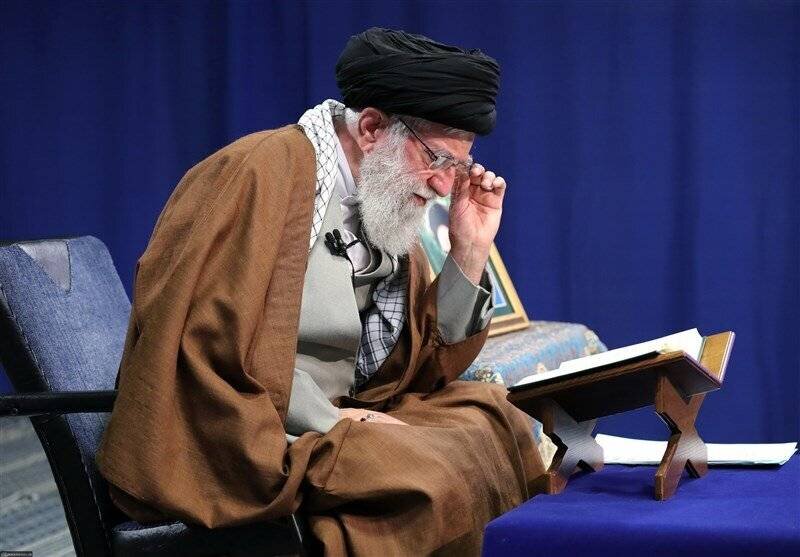
Over the past decade, no other topics have been emphasized by the martyred Leader Ayatollah Seyyed Ali Khamenei in his statements regarding the future of society more than the ‘Iranian-Islamic lifestyle’
On various occasions, the late Leader repeatedly referred to family, work ethic, consumption habits, reading, adherence to the law, and a sense of responsibility as components of a unified system, without which neither scientific nor economic progress would be possible
It was in the fall of the Iranian year 1391 (March 2012-2013) that the Leader delineated the concept of ‘Iranian-Islamic lifestyle’ for the first time while addressing the people in North Khorasan province. His statement that ‘lifestyle is the core element of civilization’ later became one of his many remarks cited at numerous cultural and scientific events
According to him, social behavior, interactions within families, the kind of marriage, housing, clothing, consumption patterns, diet, leisure activities, script and language, business practices, as well as behaviors in the workplace, university, school, political activities, sports, and the media constitute the very fabric of life
In his point of view, lifestyle was not merely a collection of ethical recommendations, but a solution to build an advanced society with a distinct identity
Back then, in 2012, the Leader divided the advancement into two categories: the first part encompassed scientific, technological, economic, political, and military progress, while the second part referred to the quality of people’s lives and the way they interacted with each other
As stated by the Leader, a society that has achieved the highest level of technological advancement but failed to improve family relations, moral ethics, trustworthiness, and adherence to the law has not made any progress at all
In most of his speeches, he would raise tens of questions about lifestyle routines. These questions mostly focused on the way spouses treat each other, driving culture, work ethic, respect for the rights of others, discipline, relations among neighbors, reading, consuming, leisure activities, and media consumption habits
Family: the starting point to reform society
Among all the elements of lifestyle, family had a particular significance to the Leader. He kept underscoring that a <a href="https://healthylife7.com/globally-youth-are-not-eating-enough-healthy-plant/” title=”Globally, Youth Are Not Eating Enough Healthy Plant”>healthy family is the foundation of a healthy society; no other institutions could play the role of family in training individuals
He also highlighted the importance of mutual respect in couples’ relations, respecting parents, proper upbringing of children, and maintaining tranquility in the family, while warning about threats to families
Marriage was another recurring theme in the Leader’s speeches. He urged the youth to facilitate the marriages by avoiding expensive ceremonies, social comparison, and lessening unnecessary expenditures, noting that the difficulty of getting married would have widespread social and cultural impacts
The Leader repeatedly invited people to avoid wasting, emphasizing that consumerism and obsession with luxury goods have negative effects on the household’s economy and squander national re
To him, saving means proper, rational, and responsible use of divine blessing rather than depriving oneself of facilities. Saving is not just limited to the conservation of energy, electricity, and water; it also encompasses talents, time, human assets, and social opportunities
Work culture key to progress
The work culture, as a main component of lifestyle, is not just a means to earn a livelihood, but a social responsibility and a religious value. In a society where the work culture is institutionalized, the economic, scientific, and social growth would be expedited
Social ethics: an asset that must not be ignored
Another important part of the Leader’s remarks centered on social ethics. According to him, many of the social problems stem not from a lack of re
Respecting the rights of others, maintaining honesty, fairness, and trustworthiness, upholding one’s commitment, observing the law, and having a sense of responsibility were among the key themes that were repeated in his statements
The martyred leader even addressed issues such as driving etiquette, apartment-living etiquette, taking turns, interacting with neighbors, having good conversations, and refraining from gossiping as part of an ideal lifestyle
Book, media, leisure time
Book, in the Leader’s mind, is one of the most essential tools for cultural development. He always stressed the need to increase the number of book readers per capita and called for fostering a love for reading in society, particularly among the youth
Highlighting the vast potential of social media, the Leader underlined the importance of responsible media use and literacy, noting that inappropriate use of social media results in a waste of time, erosion of family principles, and dissemination of cultural patterns that are incompatible with Iranian identity
MT/MG
