


MAG
Business Intelligence
<img src="https://healthylife7.com/wp-content/uploads/2026/08/mag-logo-black.webp” alt=”Logo”>
InternationalMacauMacau BusinessMAGMB
1 Aug 2026
Healing Others While Neglecting Themselves: How Spa Therapists Experience Wellbeing in Macao’s Hotel Industry
Macau Business magazine | July 2026
Study reveals that spa therapists’ wellbeing is shaped not only by physical health, but also by workplace relationships, financial security, emotional support, and personal life circumstances
Research Corner | A partnership between Macau Business and the Macao University of Tourism (UTM)
In the global wellness tourism industry, spas are commonly associated with relaxation, healing, and self-care. Much of the existing research in wellness tourism has focused on how spa experiences improve customers’ physical and emotional wellbeing, while far less attention has been paid to the individuals who provide these services every day
A recent study conducted by researchers from the Macao University of Tourism (UTM) and City University of Hong Kong (CityUHK) shifts attention away from customers and toward the employees working within the wellness industry. Based on interviews with 15 experienced female spa therapists employed in four-star and five-star hotels in Macao, the research explores how therapists themselves define wellbeing within their profession. Drawing on Lewin’s Field Theory, the findings suggest that therapists’ experiences are shaped by a complex interaction of workplace relationships, financial stability, emotional resilience, cultural background, and personal life circumstances.
The findings not only expand research on employee wellbeing in tourism and hospitality, but also draw attention to the hidden emotional and physical burdens carried by workers in the wellness industry
Beyond Customer Wellness and Spa Employees’ Experiences
As wellness tourism has expanded, spa therapists have become increasingly important frontline workers responsible for delivering personalised and emotionally engaging experiences. Despite the industry’s emphasis on healing and self-care, many therapists work under physically and emotionally demanding conditions
Previous studies have shown that spa therapists frequently experience long working hours, physical exhaustion, emotional stress, and even sexual harassment due to the intimate nature of their work. Many are also employed in relatively low-paid positions that require substantial emotional labour, where they are expected to remain calm, patient, and emotionally attentive regardless of their own emotional state
These pressures highlight the need to understand the industry not only from the perspective of customers, but also from that of the workers themselves
Workplace relationships played a central role in shaping therapists’ everyday experiences at work. Many participants described supportive relationships with colleagues and supervisors as essential to maintaining a positive work environment. Friendly interactions, emotional support, and mutual understanding helped therapists cope with the physical and emotional pressures of their jobs
Feeling valued by both clients and management strengthened their sense of fulfilment and motivation. Repeat customers who specifically requested their services gave many therapists a strong sense of accomplishment and personal worth. Positive feedback reinforced the belief that their work carried meaning and improved the lives of others
At the same time, some participants reported communication difficulties and workplace tensions that created additional emotional strain. Everyday workplace interactions could therefore become either a
Questions about career development also shaped how therapists viewed their future within the profession. While some therapists appreciated opportunities for training and mentorship, others expressed frustration over limited career advancement and unclear development pathways. For these employees, job satisfaction depended not only on current working conditions, but also on opportunities for future progress and professional recognition
Financial Security and Emotional Strain in Spa Work
Financial security also played an important role in shaping therapists’ sense of stability in everyday life. Although many participants were generally satisfied with their salaries, concerns about rising living costs in Macao remained widespread, particularly in the post-pandemic environment
While most participants were Chinese nationals, several migrant therapists from the Philippines and Thailand understood a good life in strongly practical and family-oriented terms. Stable salaries, accommodation, healthcare benefits, and tips were valued not only for personal security, but also for the ability to support relatives back home
Many therapists prioritised stability and continuity over career ambition, particularly those who entered the industry during periods of financial hardship or limited employment opportunities. For these workers, a stable and secure life was closely tied to economic responsibility, family obligations, and a sense of continuity for the future
Behind the calming atmosphere presented to customers, many therapists described spa work as physically exhausting and emotionally demanding. Long working hours, repetitive physical labour, and the constant need to regulate emotions while interacting with clients often left workers drained and emotionally depleted
Many workers felt compelled to hide their own stress and personal struggles in order to maintain a calm and welcoming atmosphere for customers. Over time, this constant emotional control became deeply exhausting for some participants
While some therapists relied on mindfulness practices or personal coping strategies to manage stress, many felt that stronger organisational support for mental health was necessary. Several participants expressed a desire for more open discussions about stress, burnout, and psychological health within the workplace
Work–life balance was another recurring issue. Due to demanding schedules, some therapists struggled to participate in family activities or spend sufficient time with loved ones. Feelings of guilt and emotional fatigue were often closely linked to difficulties balancing professional responsibilities with personal life
Cultural Identity, Meaningful Work, and Industry Implications
Therapists’ perspectives on fulfilment and professional meaning were also shaped by their cultural backgrounds and personal motivations. Some participants came from cultures where wellness and healing practices were highly respected, allowing them to feel proud of their profession and emotionally connected to their work. Others, however, experienced social stigma and negative stereotypes surrounding spa work, which affected their self-esteem and overall quality of life
Feeling heard and valued within the workplace also shaped therapists’ sense of security and belonging. Therapists who felt included in workplace decisions and supported by management reported higher levels of job satisfaction and confidence. Opportunities to contribute ideas or suggest new treatments strengthened employees’ sense of autonomy and professional value
Many participants also viewed their work as meaningful because it allowed them to help others feel relaxed, comforted, and emotionally restored. This sense of purpose helped many therapists remain committed to the profession despite its challenges
The findings suggest that employee wellbeing should not be overlooked within an industry built around care, healing, and emotional restoration. Creating supportive workplace cultures, improving communication, and recognising employees’ contributions may help reduce stress and strengthen job satisfaction
The findings also point to the need for stronger mental health support within spa organisations. The researchers recommend initiatives such as counselling services, stress management programmes, peer support systems, and more flexible scheduling arrangements to better support employees’ emotional wellbeing
More broadly, the study reveals a contradiction at the heart of the wellness industry: while spas are designed to promote relaxation and healing for customers, the needs and wellbeing of the workers providing these experiences are often overlooked. In this sense, the success of wellness tourism cannot be measured solely through customer satisfaction or luxury experiences. It must also depend on whether the people responsible for caring for others are themselves able to achieve dignity, balance, and emotional stability in their own lives.
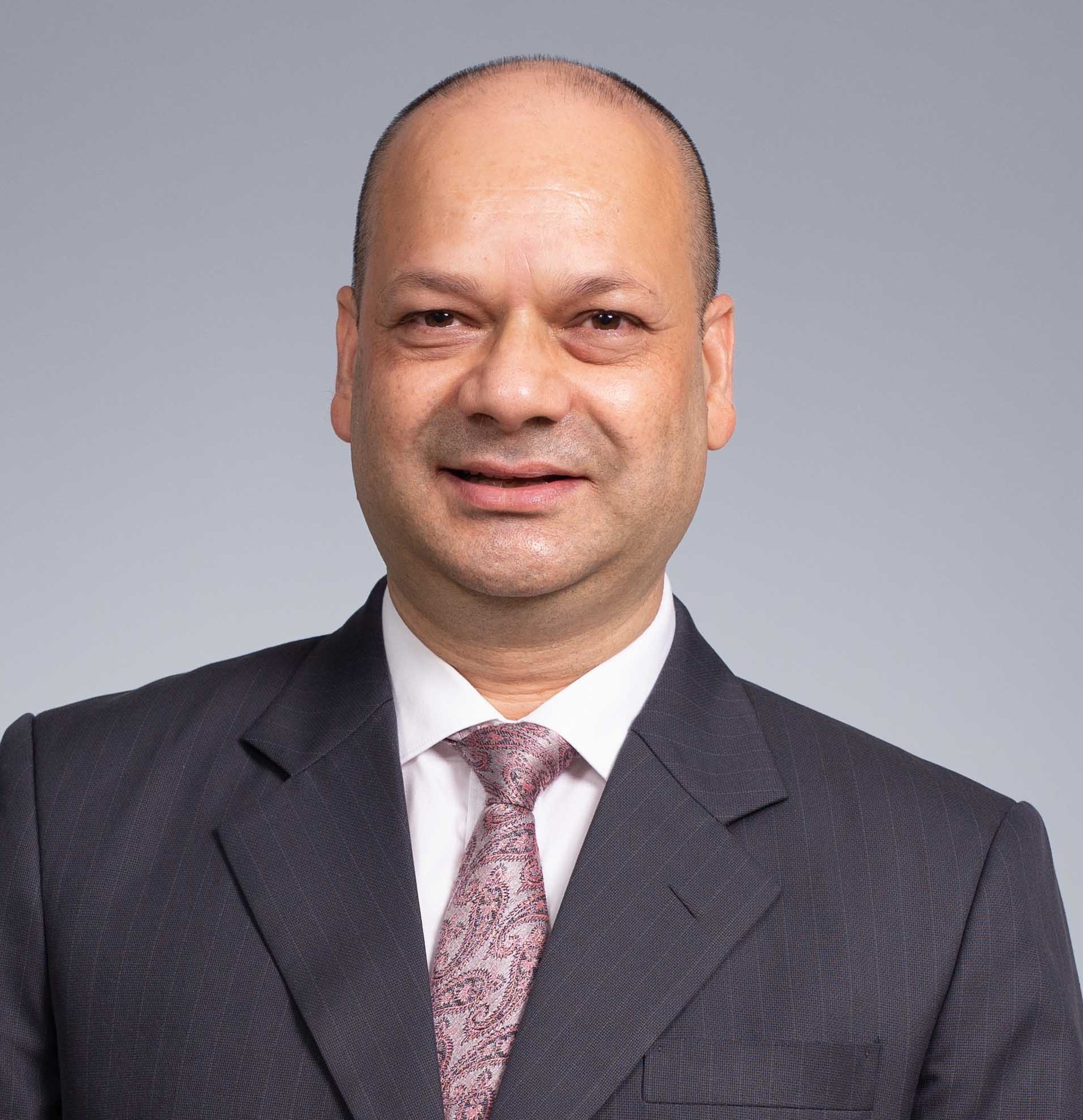
– The researchers
Sandeep Basnyat
Sandeep Basnyat is an Assistant Professor at the Faculty of Creative Tourism and Intelligent Technologies, Macao University of Tourism
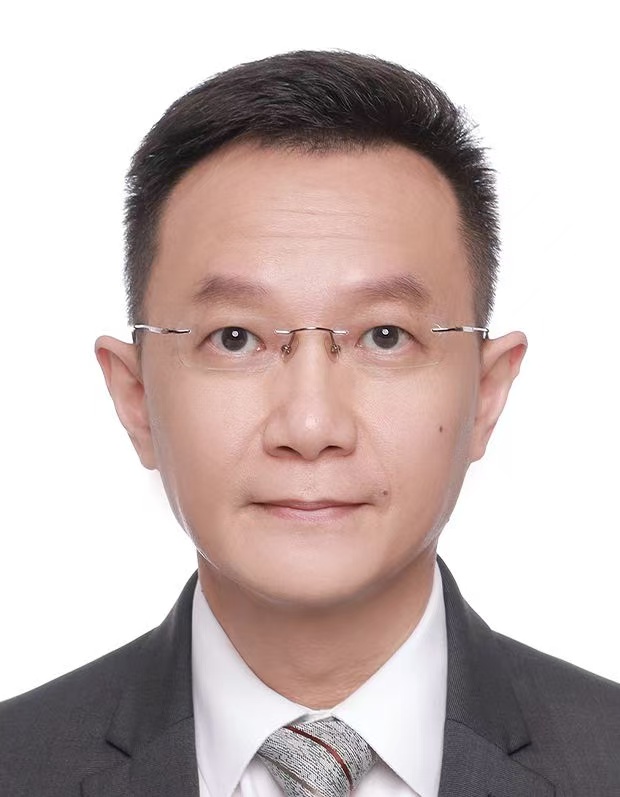
Sao Iong Wu
Sao Iong Wu is an adjunct faculty member at the Macao University of Tourism
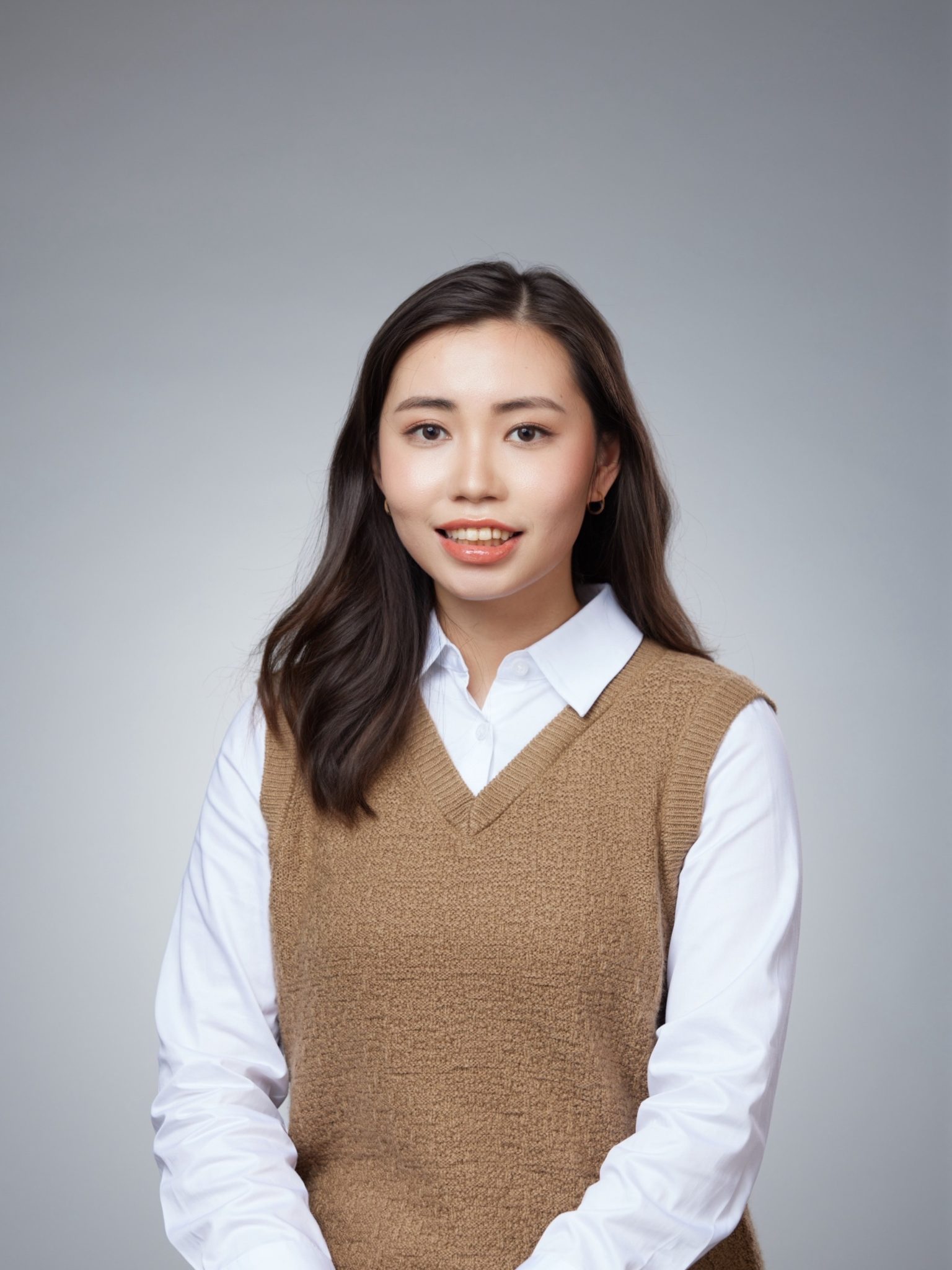
Cora Sao Wa Chan
Cora Sao Wa Chan is a graduate with a Master of Arts in International Hospitality Business Management from the Swiss Hotel Management School, Switzerland, and a Master’s degree in Psychology from the City University of Hong Kong. She is currently engaged as an independent researcher
– The paperBasnyat, S., Wu, S. I., & Chan, C. S. W. (2025)
What Does Wellbeing Mean for Spa Therapists? Perspectives From Macao’s Hotel Industry. International Journal of Tourism Research
https://doi.org/10.1002/jtr.70036
International1 Aug 2026
Trump says US must be ‘very careful’ on giving Patriot license to Ukraine
MNA1 Aug 2026
Lebanon president says Israeli blasts near castle ‘direct threat’ to recent deal
International1 Aug 2026
UN chief hails Hamas disarmament deal as rare good news
International1 Aug 2026
Google rolls back new satellite image AI tool after backlash
International1 Aug 2026
Hungary to shut nuclear plant as heatwave hits central Europe
International1 Aug 2026
New blazes in Greece as strong winds hamper firefighting
International1 Aug 2026
Oil giants report blowout profits on war, warn high gas prices could persist
International1 Aug 2026
England, Wales set for driest July since 1836: forecaster
International1 Aug 2026
Main points from Board of Peace’s Gaza ceasefire plan
International1 Aug 2026
AI reshapes China’s steel sector
International1 Aug 2026
Italy temporarily suspends Schengen agreement with Spain
International1 Aug 2026
EU grapples with migrant crisis in Spain’s N. Africa enclave

Trump says US must be ‘very careful’ on giving Patriot license to Ukraine
1 Aug 2026
President Donald Trump said Friday the United States must be “very careful” about giving Ukraine a license to produce Patriot air defense missiles, which Kyiv says it needs to defend against Russian attacks
Lebanon president says Israeli blasts near castle ‘direct threat’ to recent deal
1 Aug 2026
Lebanese President Joseph Aoun Friday warned that Israeli detonations near a UNESCO-listed castle threatened a recent deal with Israel, which in turn said it had razed Hezbollah tunnels there
UN chief hails Hamas disarmament deal as rare good news
1 Aug 2026
A deal meant to see the disarmament of Palestinian militant group Hamas is a rare piece of good news for the Middle East, UN Secretary-General Antonio Guterres said Friday
Google rolls back new satellite image AI tool after backlash
1 Aug 2026
Google rolled back Friday a new feature allowing Google Earth users to generate AI visualizations on top of the service’s satellite imagery, following a furious backlash from researchers and open-
