By
- Jackie Roman | NJ.com
We’ve all been there — you’re getting blood drawn, but the clinician can’t find your veins. Maybe you didn’t drink enough water and now you’ve got to grit your teeth through multiple needle sticks
Imagine if there was an artificial intelligence system that could tell the clinician exactly where to insert the needle for a successful blood draw. Would you trust AI with your medical care? You may have to answer that question sooner than you thought
Researchers at SRI International’s Princeton facility are developing an AI-driven system that can guide healthcare workers through clinical procedures, including blood draws, splinting and intubation, without involving specialists. The research institute, which helped create the computer mouse, Siri and the internet, is developing the technology in partnership with the Mayo Clinic and the University of Florida
Forget AI companions. These seniors are using robotic pets to cope with loneliness
Heritage Manor in Wyckoff has been using battery-operated companion pets since 2019 as a way to enhance care for residents with dementia
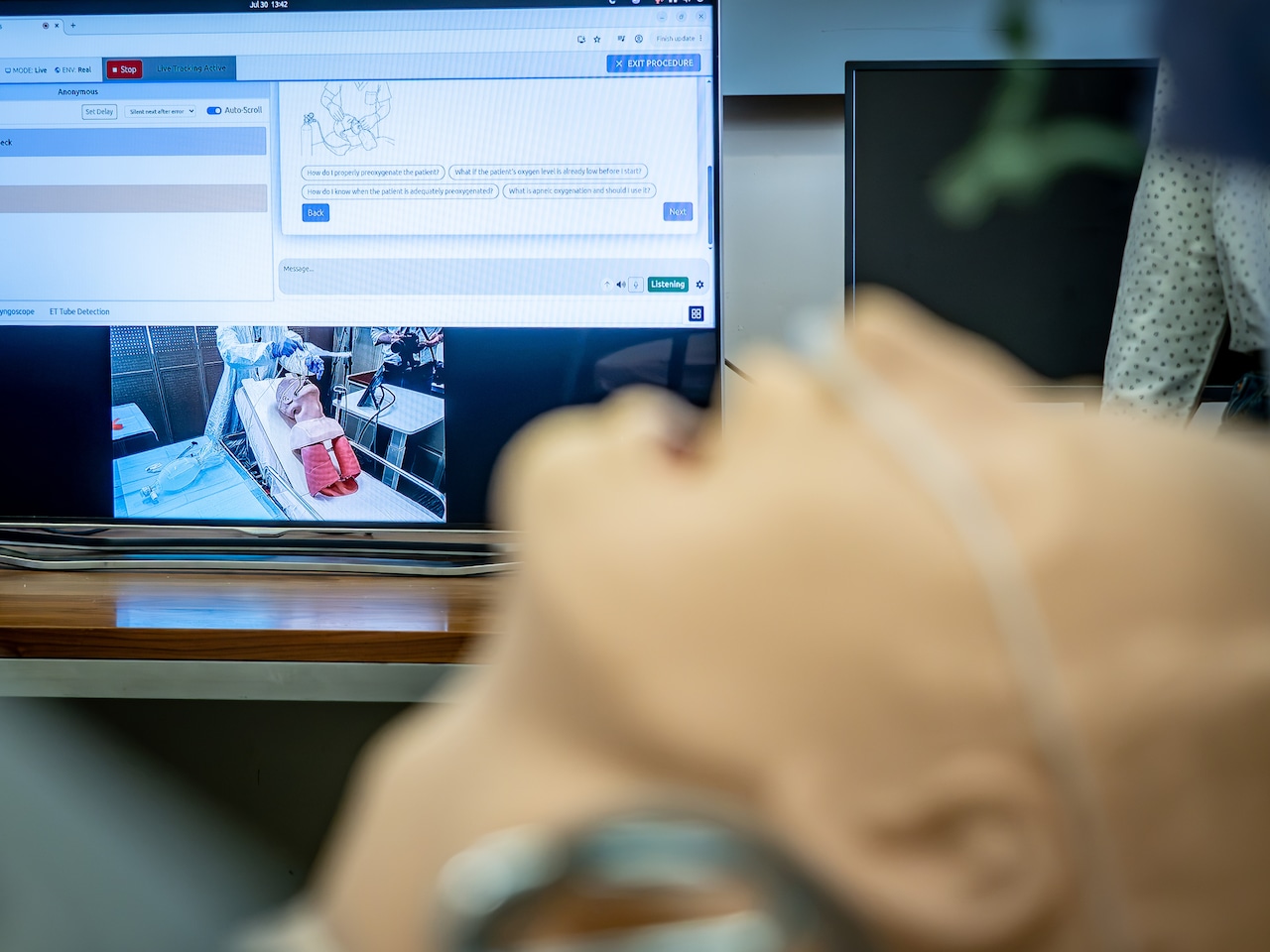
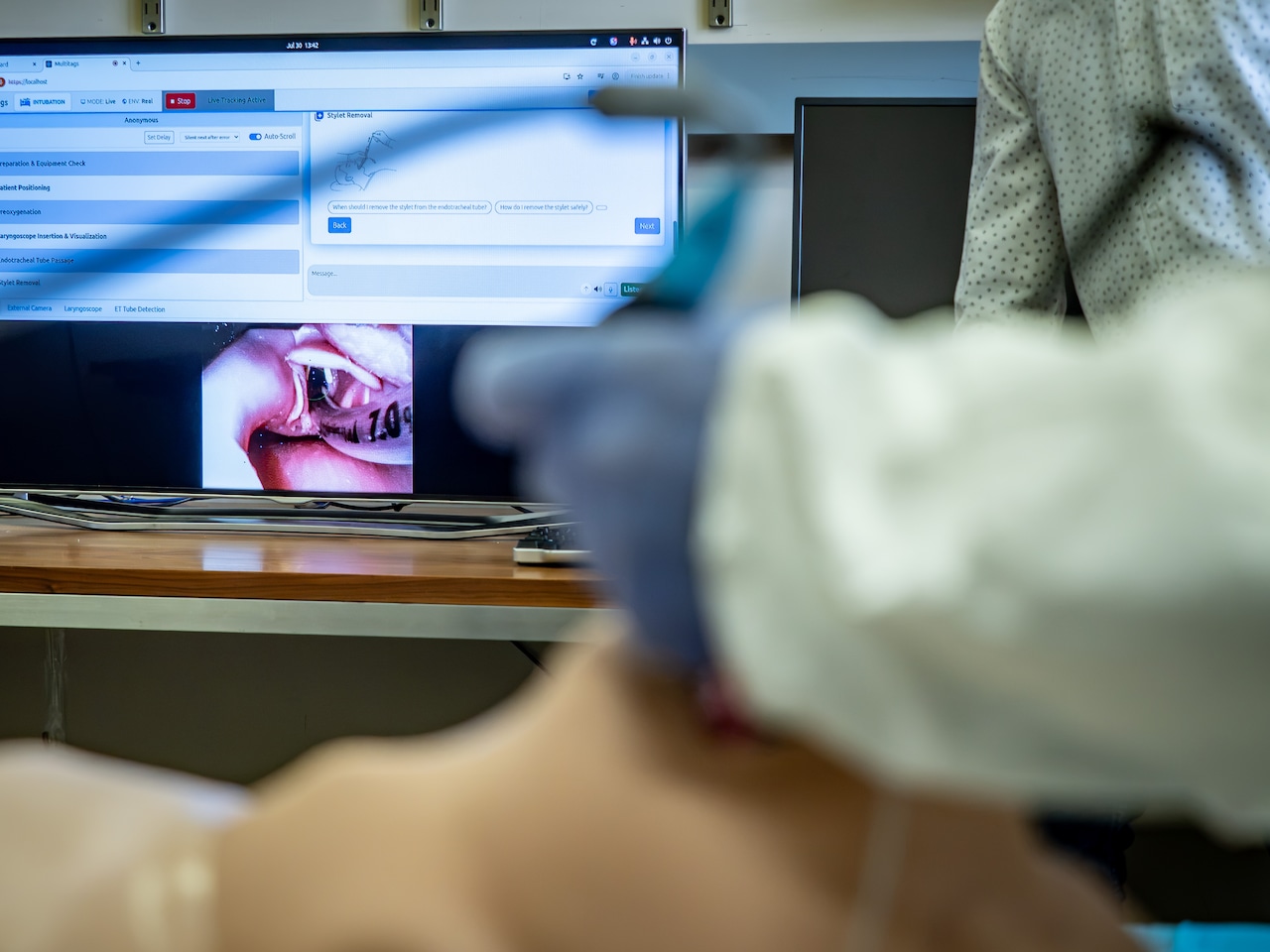
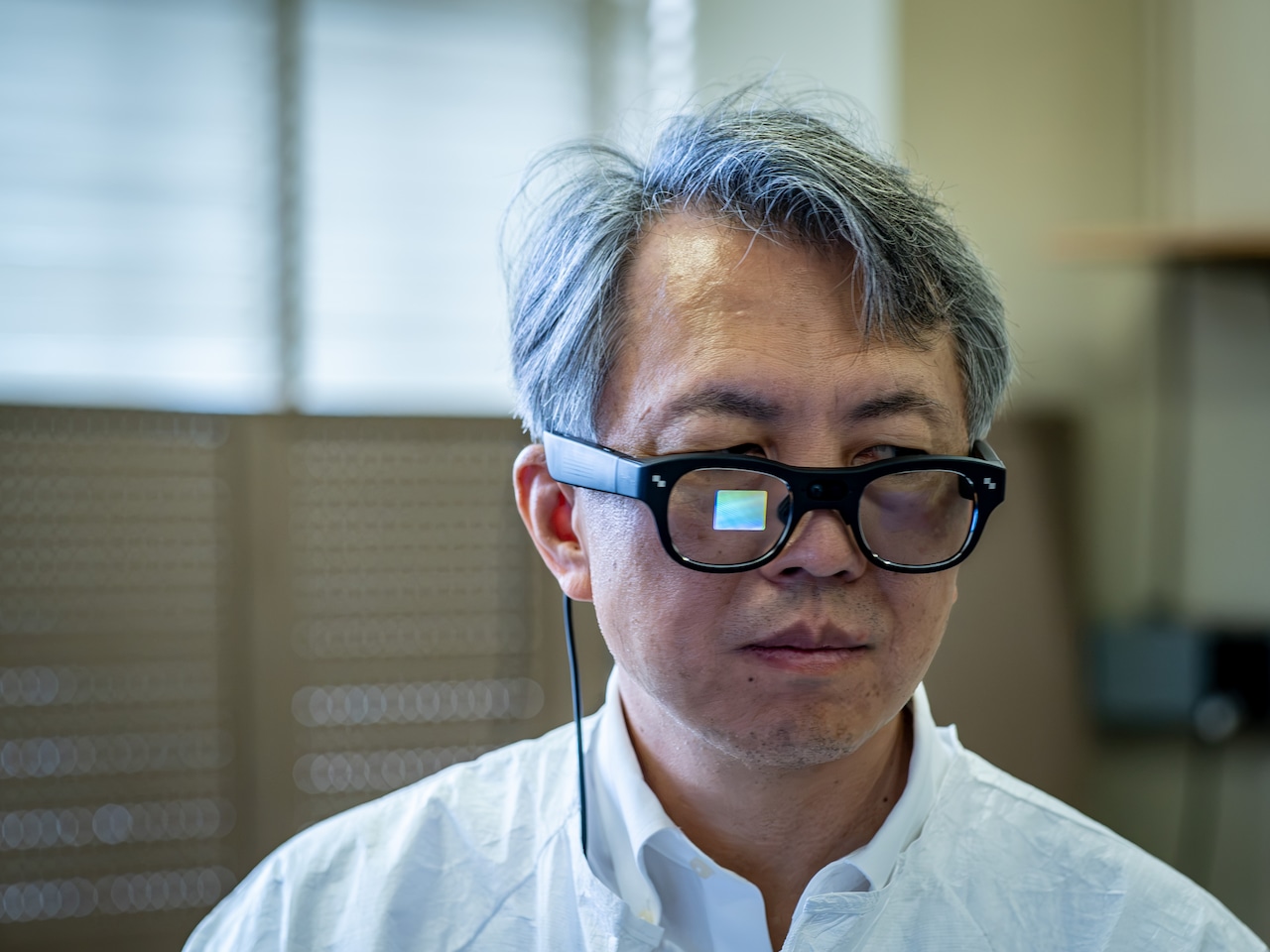
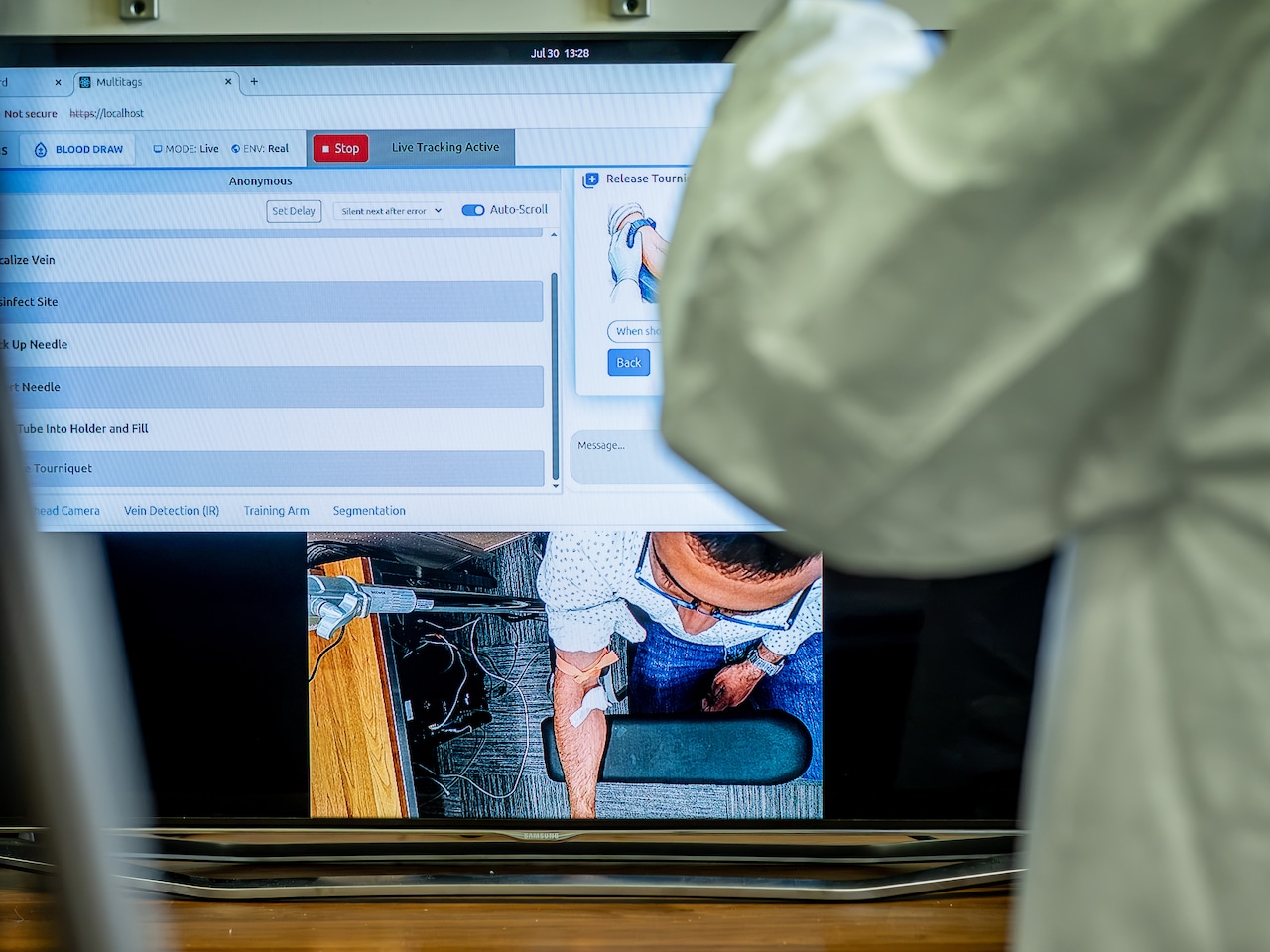
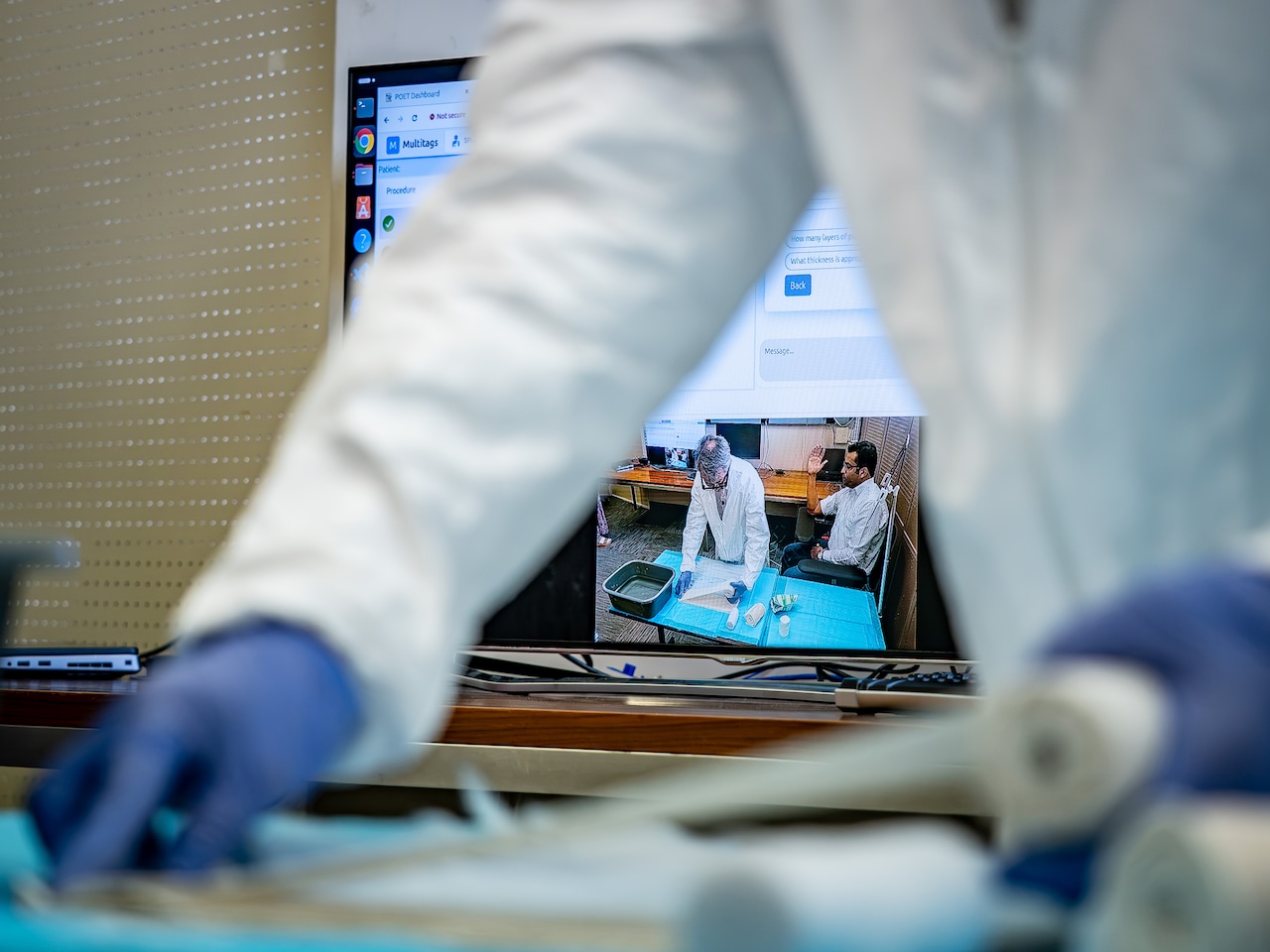
The system uses smart glasses, an overhead camera and a tablet-based interface to track each step of the procedure, confirm correct actions, flag errors and tell the user what to do next
“Right now, currently the healthcare worker, they’ve only been trained or specialized in certain procedures,” said Jason Tyan, principal investigator and program director at SRI’s Center for Vision Technologies. “There’s no way for them to cross to the different kinds of expertise. We hope we can use AI to help them perform all different kinds of procedures.”
The project comes at a time when the use of AI is expanding in nearly every industry and every aspect of life, including healthcare. At the same time, concerns about AI continue to mount over safety, accuracy and transparency
‘Next, insert needle.’
Designed to mirror in-person training with a specialist, SRI’s AI-driven system provides what Tyan calls “reactive guidance,” allowing a healthcare worker to ask questions during the procedure and receive feedback in real time
“Amira, how do I perform a blood draw?” Tyan asked the system during a July demonstration for NJ.com
Within seconds, a synthesized voice began reciting the steps for a blood draw:
“I believe you might be asking about the procedure for a blood draw. To begin the process correctly, please follow these steps: Apply tourniquet. Place the tourniquet four to five finger widths from the intended puncture site…”
For this demonstration, Tyan and “Amira” were conversing aloud. But in a real medical situation, Tyan said a clinician would be more discreet and read the instructions on the system’s chatbot feature or have them fed into the smart glasses’ open-ear speakers
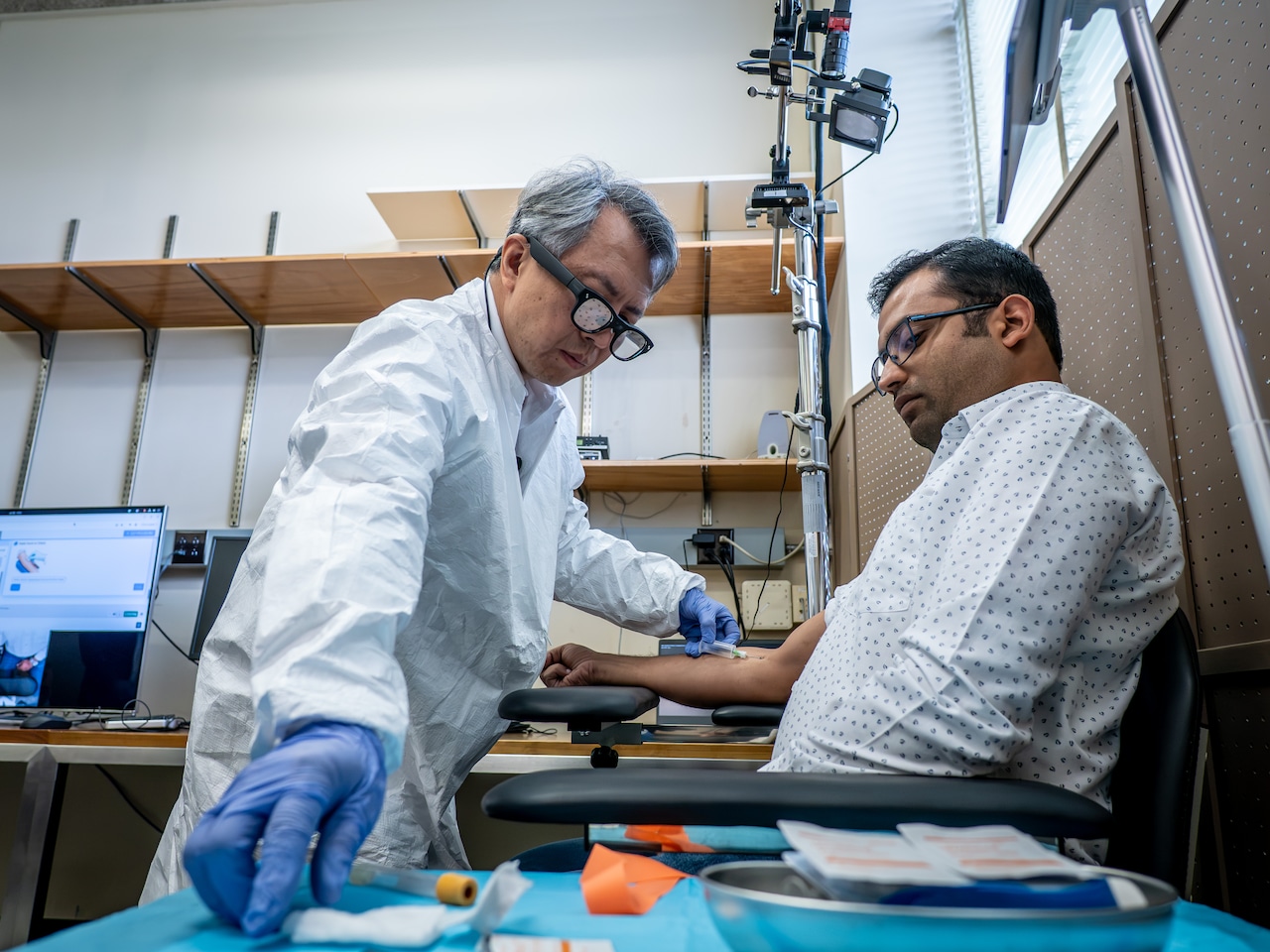
Additionally, the system is equipped with computer vision which can superimpose digital graphics and text directly onto patients in real time, acting like a guide for clinicians
When Tyan picked up his needle for the puncture and collection process, the smart glasses superimposed a bright pink circle onto fellow researcher Abhinav Rajvanshi’s arm, showing precisely where to aim
“I think our technology could really benefit society, it could really help our healthcare system,” said Tyan
The AI-guidance software is just one part of the Platform Accelerating Rural Access to Distributed and Integrated Medical Care, or the PARADIGM program. The PARADIGM program aims to create a fleet of mobile medical units capable of delivering advanced medical services, from cancer screenings to CT scans to prenatal services, to remote locations across the United States
Currently, millions of people in the U.S. live in areas with limited access to emergency or trauma care, also known as “healthcare deserts.” Even in New Jersey, which has some of the best healthcare in the country, there are still areas where people struggle to access care
SRI was awarded up to $26.5 million in February 2025 by the Advanced Research Projects Agency for Health, a federal agency within the U.S. Department of Health and Human Services, to develop the AI-powered system
The project is anticipated to be completed over five years. So far, the system can only guide through blood draws, blood analysis, endotracheal intubation and splinting. But by the end of year five, researchers hope to incorporate 18 different medical tasks
The expanding use of AI in healthcare
AI is ubiquitous today. It’s in our phones, our computers, our smartwatches, our home devices and more. Despite this, its use is still fiercely controversial. It seems, depending on who you ask, AI is either a blessing or a curse. Advocates say it saves time and frees up mental energy for other tasks, while critics argue AI threatens jobs, erodes critical thinking and compromises security
The truth is somewhere “in the middle,” said Dr. Antonina Mitrofanova, deputy director for the Rutgers Center for Biomedical Informatics and Health Artificial Intelligence
“It is an extremely powerful tool. It can analyze things that could take us years in five minutes. And yet, we need to be very strategic about it,” Mitrofanova said
Currently, the use of AI in healthcare is regulated by a patchwork of federal and state laws. The Trump administration has taken a more hands-off approach, removing Biden-era regulations on AI that it claimed impeded innovation and growth
Research has shown that AI helps people with prior experience the most. An MIT study published Aug. 4 in Nature Medicine, a peer reviewed medical journal, found that while AI assistance generally improved the accuracy of non-experts and clinicians in diagnosing skin diseases, non-experts tended to trust the AI-generated diagnostic advice — even when it was incorrect
“We need to be careful and pay extra attention to training a new generation of scientists,” Mitrofanova said, adding that the Center for Biomedical Informatics is currently applying for grants to teach students, post-doctorates and staff the advantages and dangers of AI
Ultimately, she said AI should be seen as a tool, not a replacement, for healthcare workers
“We cannot dehumanize healthcare. We can utilize — AI is extremely powerful, it can help a lot. But we need to make sure there is a smart human in the loop,” Mitrofanova said