


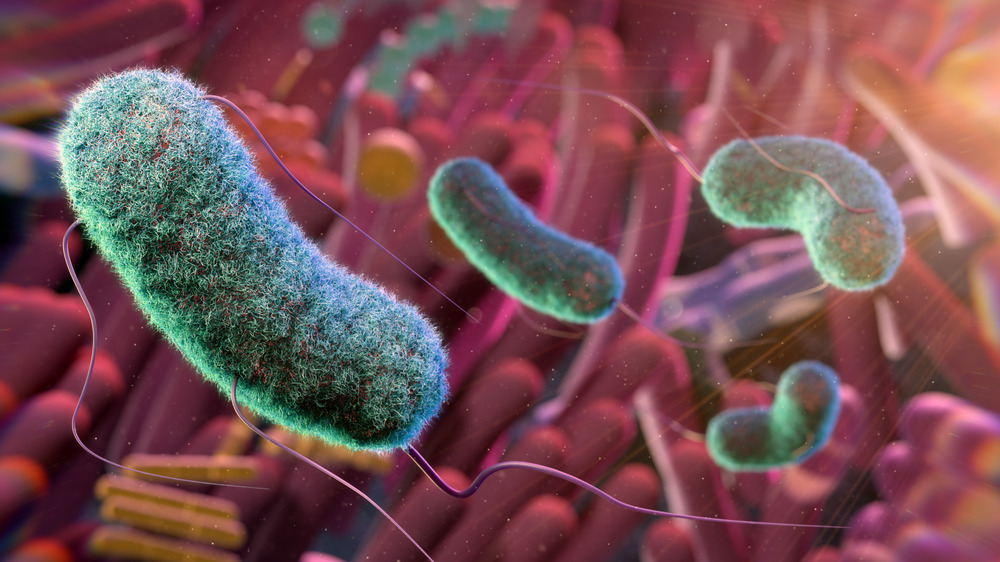
A high-fat diet can result in better outcomes from cancer immunotherapy by improving the balance of microbes in the gut, early research shows
The findings reveal how diet shapes immune states and how altering it could improve cancer treatment outcomes
The study, reported in Nature, revealed that an obesogenic diet improved response to immune checkpoint inhibitors, with this occurring outside its impact on bodyweight or metabolism
Instead, the benefits were linked with the creation of a favorable microbial ecosystem, which worked synergistically with the diet
The results offer a potential explanation for the obesity paradox in cancer treatment, in which high body mass index is associated with improved immunotherapy responses to several types of cancer
“Prolonged obesogenic diets are associated with well-established health risks and are not proposed as long-term interventions for patients with cancer,” caution researcher Lysanne Desharnais, PhD, from McGill University in Montreal, Canada, and colleagues
“Rather, our work highlights the therapeutic potential of short-term dietary modulation, and of specific bacteria or microbial-derived metabolites, to create an optimal host ecosystem for immunotherapy responses.”
Previous research has indicated that the gut microbiota regulates immunotherapy responses, with diet shaping both the microbial and metabolic states that influence immune function
Gut dysbiosis is a hallmark feature of obesity that links diet, the microbiome and health risk factors. Yet paradoxically, studies have shown that high BMI is associated with improved ICI responses for several types of cancer
To investigate further, Desharnais and colleagues examined the impact of 12 mouse diets to designed to reflect variation in the human diet and also studied the impact of fecal microbiota transplants (FMTs)
In addition to traditional low fat, high fat, and Western diets, they used diverse ingredients asanean, Japanese, vegan, American and ketogenic diets
The team found that the efficacy of immune checkpoint inhibitors was dependent on the diet-gut axis rather than metabolic dysfunction, creating a favorable host ecosystem for therapy
Lactobacillus johnsonii was as one of several key gut species associated with response against programmed cell death protein (PD-1), a protein found on T immune cells that helps keep immune responses in check
Nonetheless, the researchers reported, “FMT, monocolonization, and diet switch experiments demonstrated that diet was more influential than microbiota composition alone, with maximal benefits observed when favorable bacteria were paired with favorable diets, due to synergistic metabolic remodeling.”
Obesogenic diets were not uniformly beneficial
For example, the Mediterranean diet—high in fat from olive oil—retained a microbiota resembling lean, metabolically healthy mice, including low Lactobacillus, and remained insensitive to immune checkpoint inhibitors
Conversely, a diet high in the soluble plant fiber inulin was lean and responsive to immune checkpoint inhibitors, yet had a distinct microbial composition characterized by lowLactobacillusand high Bifidobacteria
Aromatic amino acid metabolites mediated the efficacy of immune checkpoint inhibitors. Tyrosine-derived phenylpropionate metabolism was a key pathway leading to production of desaminotyrosine and related metabolites, which enhanced T cell effector function
There were also beneficial rises in indole-containing tryptophan metabolites, including indole-3-lactic acid, although this was not specifically dependent on Lactobacillus
The researchers concluded: “Together, our findings identify diet–microbiome synergy as a mechanistic basis for the obesity paradox in cancer immunotherapy and a tractable target for improving therapeutic responses across diverse patient populations.”
News & FeaturesAnti cancer drugsBacteriaBody mass indexCancer immunotherapyDiet therapyFecal microbiota transplantationGut floraProteins
