


BySuzanne Blake
Newsweek is a Trust Project member
See more of our trusted coverage when you search.to see more of our trusted coverage when you search.
Millions of Medicare beneficiariesmay now be able to access popular GLP-1 weight-loss medications for as little as $50 per month through a new federal program
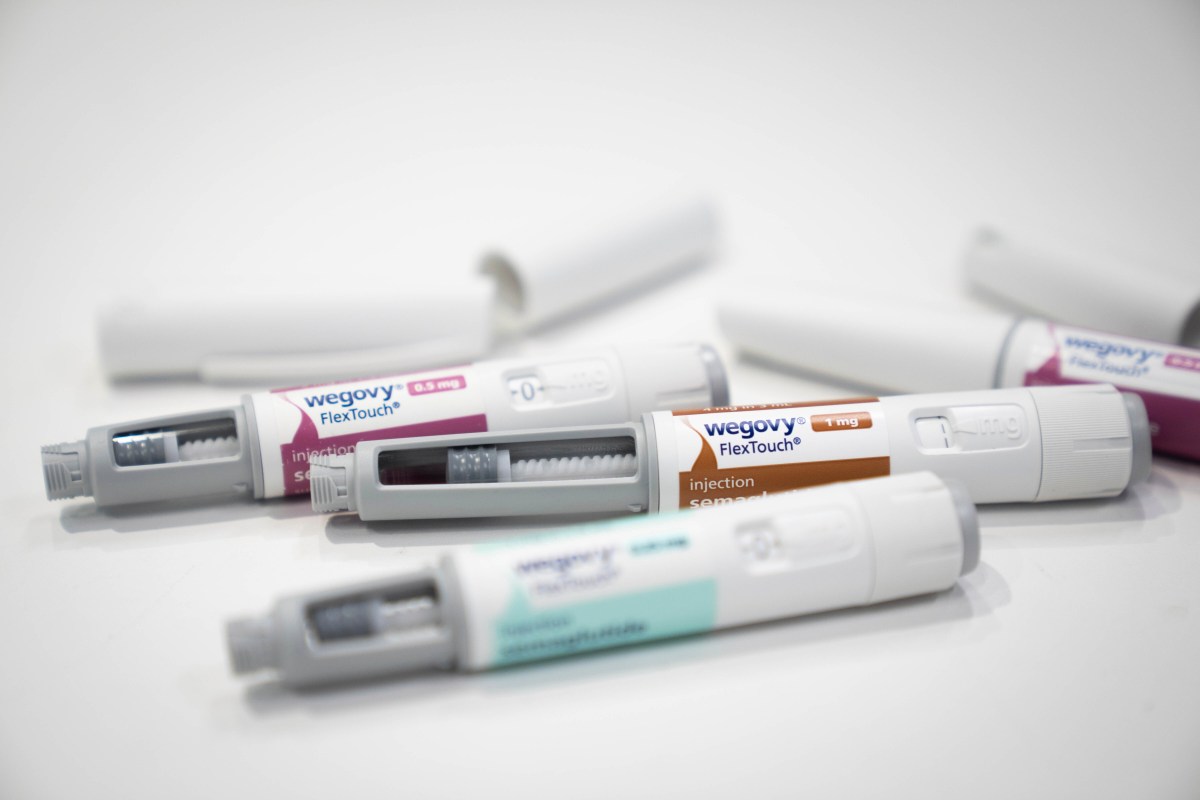
The Medicare GLP-1 Bridge Program launched officially from the Centers for Medicare & Medicaid Services (CMS) on July 1. Under the program, some Americans will gain easier access to Wegovy, Zepbound and Foundayo
Medicare beneficiaries previously faced costs that could run into hundreds or even thousands of dollars each month
On Thursday, Amazon Pharmacy announced it had become one of the latest major providers offering the medications under the program. For customers, that means Amazon will automatically handle eligibility verification, prior authorization and billing for patients who qualify
…
Why It Matters
GLP-1 drugs have transformed obesity treatment, helping many patients lose significant amounts of weight while lowering their risk of conditions like heart disease. At the same time, the high prices of these drugs have often put them out of reach for many Americans
Before the new Medicare initiative, some of the medications carried list prices ranging from roughly $1,200 to $1,500 per month. Under the bridge program, eligible beneficiaries can obtain covered medications for a flat $50 monthly co-pay through participating pharmacies
Today, more than 72 percent of U.S. adults are overweight or obese, according to the Centers for Disease Control and Prevention
What to Know
The Medicare GLP-1 Bridge Program will run through December 31, 2027. Currently, it operates outside the traditional Medicare Part D drug benefit and is intended to expand access to certain weight-loss medications while lawmakers evaluate longer-term coverage options
According to CMS, eligible beneficiaries can obtain:
- Wegovy (injection or tablet)
- Zepbound (KwikPen formulation only)
- Foundayo tablets
The program does not cover Zepbound single-dose pens or
“Much of the conversation around GLP-1s has focused on younger adults, but one of the biggest shifts in obesity care is happening among people 65 and older,” Dr. Rekha Kumar, senior medical adviser at Found, told Newsweek. “The new Medicare GLP-1 Bridge Program also opens a more affordable path for elderly eligible beneficiaries to meet their unique needs.”
List of Major Pharmacies Offering Access
Amazon Pharmacy
Amazon announced Thursday that it will provide eligible Medicare beneficiaries access to GLP-1 drugs through the bridge program
In its announcement, the company said it will automate enrollment steps and even prior authorization checks and billing once a clinician submits an electronic prescription and the customer adds Medicare information to their account. Home delivery and in-store pickup are available
Kumar said the long-term impacts of Amazon’s expansion into GLP-1 coverage will depend on whether these medications remain affordable and are paired with the appropriate medical oversight
“Obesity is a chronic disease, and successful treatment isn’t just about obtaining a prescription. It also involves long-term follow-up, monitoring for side effects, and addressing everyday habits, including nutrition, physical activity and other existing health conditions,” Kumar said. “I always remind my patients that medication is an important tool, but it’s only one part of a comprehensive treatment plan.”
CVS Pharmacy
CVS recently expanded its GLP-1 offerings and partnered with Eli Lilly to improve access to weight-loss medications
“Weight management is a deeply personal health journey, and too many people face barriers before they start treatment,” Sid Tenneti, CVS’ senior vice president and interim president of pharmacy and consumer wellness, said in a statement this week
“CVS Health combines clinical care, pharmacy access, digital tools and trusted pharmacist support to make that journey simpler, more affordable, and more connected. Our collaboration with Lilly is one more way we’re expanding direct to consumer access to help eligible patients find options that work best for them.”
Walmart Pharmacy
Walmart has also announced efforts to expand access to GLP-1 medications and said its pharmacists will help support Medicare beneficiaries who qualify under the new program
“The major difference between these pharmacies is how quickly they each process the paperwork, delivery options and how they support your overall care,” Juliana Vocca, a registered dietitian who works with clients on GLP meds, told Newsweek. “Amazon offers the quickest option with a 24-hour turnaround. Walgreens also offers a delivery option. Both CVS and Walmart require in-person pick-up.”
Still, Vocca had concerns over the bridge program in the long term
“My biggest concern with this program and the increased accessibility to these meds is insuring people receive the appropriate nutritional intervention to support them while on the GLPs,” Vocca said. “I am also concerned with the fact that the program ends at the end of the year. What do these people do afterwards, especially if they never received any nutritional and lifestyle intervention, which is necessary to support their weight loss? Do they end up gaining the weight back? And then what?”
Who Qualifies
CMS says beneficiaries must meet several requirements, including:
- Having Medicare Part D prescription drug coverage
- Being unable to obtain a GLP-1 medication through standard Medicare drug-plan coverage
- Being at least 18 years old
- Meeting specified obesity-related eligibility criteria
Patients with certain conditions, including Type 2 diabetes, may not qualify for the bridge program because they may already be eligible for GLP-1 coverage through traditional Medicare channels
Beneficiaries generally must also also meet the BMI and medical criteria related to obesity and associated health risks
Gabriel Brocklesby, the founder of Peptide Clinic Finder, cautioned younger Americans about misunderstanding the GLP-1s available for the $50 co-pay
“If you’re under 65 or don’t meet the criteria, you won’t get that number—and that gap is where people get hurt,” Brocklesby told Newsweek. “Every time a ‘cheap GLP-1s’ headline runs, we see demand spill toward unvetted online sellers: sites with no named prescribing clinician, ‘research use only’ disclaimers, or compounded products with no verifiable pharmacy license.”
How to Apply
The process of getting GLP-1s for $50 monthly begins with a healthcare provider
According to CMS, patients should discuss whether a GLP-1 drug is appropriate for them. If they qualify, a physician or other authorized provider submits a prescription and required documentation. The pharmacy then processes the claim through the Medicare GLP-1 Bridge system
Amazon says it will initiate enrollment on behalf of patients once insurance information is added and an electronic prescription is received
“This is the part people need to be careful with,” Paul Barrett, principal agent at The Modern Medicare Agency, told Newsweek. “The issue is not just which pharmacy has the medication available; it is whether the claim is being processed correctly through the Bridge Program’s separate billing route
“If a pharmacy submits the prescription through the patient’s normal Part D plan instead of the Bridge Program processor, it can come back looking like a denial, even if the patient may actually qualify. Amazon Pharmacy has now announced that it is offering these drugs through the Bridge Program, which gives eligible patients another route to access them.”
For other pharmacies, patients should ask directly whether the pharmacy can process the prescription through the Medicare GLP-1 Bridge Program billing route and whether the specific medication and format are available, Barrett said
What Happens Next
The bridge program is scheduled to remain in effect through the end of 2027
For Medicare beneficiaries who have been unable to afford medications such as Wegovy or Zepbound, the program could drastically reduce out-of-pocket costs, making the treatments significantly more accessible
“If Amazon can make that process more seamless, it may help some patients avoid the back-and-forth that can happen when a claim is routed incorrectly or the pharmacy is unfamiliar with the Bridge Program process,” Barrett said. “However, Amazon does not change the core rules. It does not expand who qualifies, it does not change which drugs or formats are covered, and it does not make the program permanent.”
Contact Newsweek editors on this story:Jason LemonandDave Siminoff
Request Reprint & Licensing
View Editorial & AI Guidelines
