


By
- Ryan Boldrey | rboldrey@mlive.com
A human case of the swine flu has been identified in an Ionia County resident who was a swine exhibitor at the Kent County Youth Fair earlier this month
The Michigan Department of Health and Human Services, Kent County Health Department and Ionia County Health Department confirmed the case Friday, Aug. 14
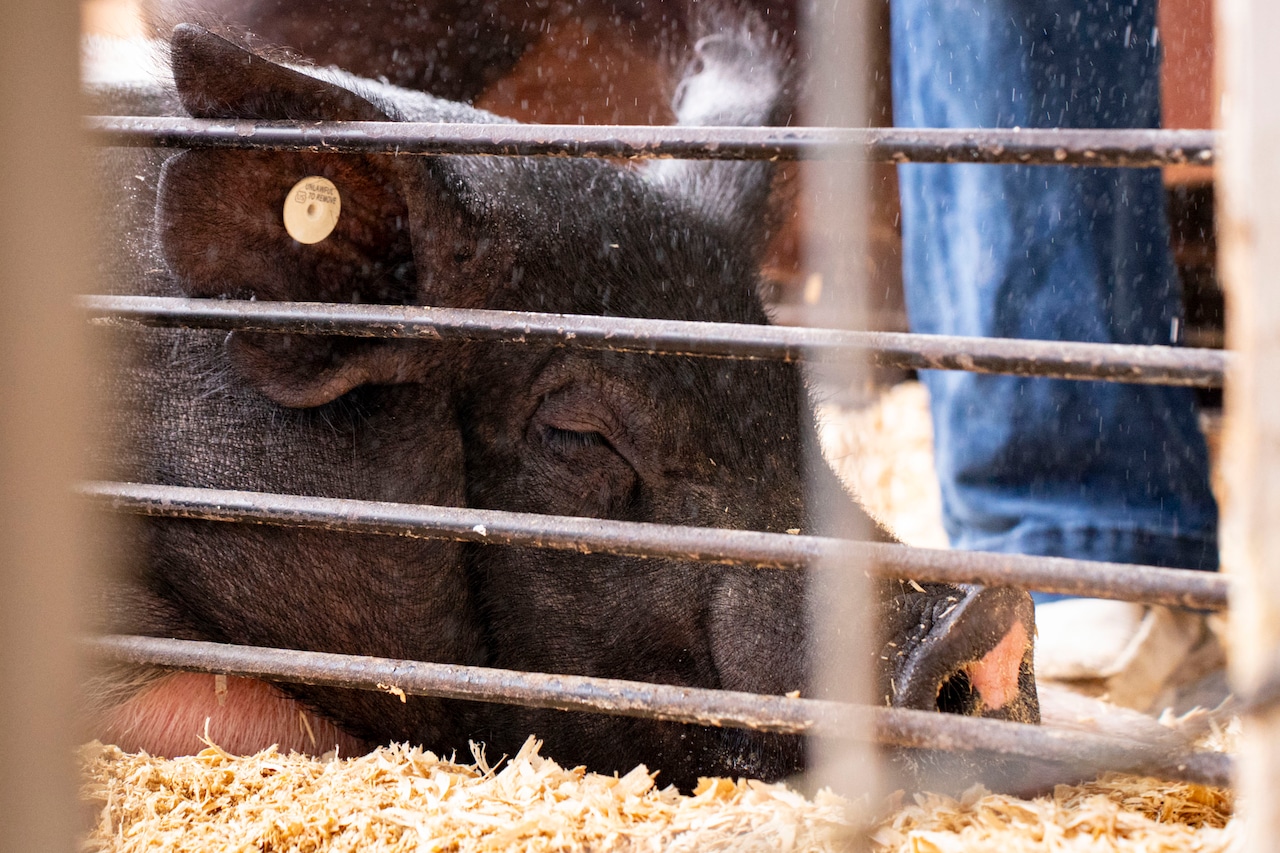
The confirmation of the illness comes one week after a pig suddenly died at the fair on Aug. 7
The MDHHS and KCHD have been reaching out to swine exhibitors and their families who visited the swine barns at the Kent County Youth Fair, between the dates of Aug. 3 and 8, to identify any additional illnesses in those who may have been exposed to influenza from infected pigs
County health officials have alerted providers in the area to watch for patients presenting with respiratory symptoms who report exposure to swine or visited the fair
“While the risk to the general public remains low, we want visitors who attended the Kent County Youth Fair to be alert to symptoms and take appropriate precautions,” said Dr. Natasha Bagdasarian, chief medical executive for the state of Michigan. “Anyone who develops flu‑like symptoms after possible exposure should contact their health care provider and let them know about their recent contact with pigs at the fair
Pigs may be infected with swine influenza viruses that are different from human flu viruses
Swine flu viruses spread among pigs and, while rare, they can spread from pigs to people too. Spread of swine flu viruses from a pig to a person is thought to happen in the same way that human flu viruses spread; mainly through droplets when infected pigs cough and sneeze
Individuals who get sick should stay home until they have fully recovered, Bagdasarian said
The MDHHS outlined precautions that the public can take to avoid potential exposure at farms, fairs and exhibits:
- Do not eat or drink in livestock barns or show rings.
- Do not take toys, pacifiers, cups, baby bottles, strollers or similar items into pig areas.
- Anyone who is at high risk of serious flu complications should avoid contact with pigs and swine barns when attending a fair.
- Get an annual influenza vaccination.
Below are steps to take to protect yourself and prevent the spread of any illness:
- Wash hands often with soap and water. If soap and water are not available, use an alcohol-based hand rub.
- Avoid touching your eyes, nose and mouth. Germs spread this way.
- Cover your nose and mouth with a tissue when you cough or sneeze. Throw the tissue in the trash after you use it.
- Avoid close contact with sick people. If you are sick, stay home from work or school until your illness is over.
- Avoid contact with pigs if you have flu-like symptoms. Wait seven days after your illness started or until you have been without fever for 24 hours without the use of fever-reducing medications, whichever is longer.
Symptoms of variant influenza infection in people are similar to those of seasonal flu viruses and may include fever, cough, runny nose, body aches, nausea, vomiting and diarrhea
Variant influenza infections, including the swine flu can sometimes cause severe disease, even in healthy people. Severe illness can include complications, such as pneumonia, which may require hospitalization, and in some cases can result in death
People who are at high risk of developing complications if they get infected include:
- Children younger than 5 years of age.
- People 65 years of age and older.
- Pregnant people.
- People with certain long-term health conditions, such as asthma, diabetes, heart disease, weakened immune systems and neurological or neurodevelopmental conditions.
The time period it takes from exposure to illness for variant influenza is similar to that of seasonal influenza, which can be up to 10 days, but is most commonly three days
Currently, there is no human vaccine for swine flu and the seasonal flu vaccine will not protect against swine flu; however, prescription antiviral drugs, such as oseltamivir and zanamivir, are effective in treating swine flu in humans. Early treatment works best and may be especially important for people with a high-risk condition
For more information, visit CDC.gov/Swine-Flu
