


ByArnold Schwarzenegger
Newsweek is a Trust Project member
See more of our trusted coverage when you search.to see more of our trusted coverage when you search.
When I was competing as a bodybuilder, strength meant one thing: more. More weight. More intensity. More punishment. That philosophy won me 13 world titles
But over time, I added to that philosophy: the discipline to recover, to adapt and to keep moving—even when moving gets harder. In my experience, that’s what freezes millions of people from living their lives fully, because pain convinces them to quit before they learn what their body can still do
When I turned 70, people started asking me why I still trained. Now that I am almost 79, the questions come more often. “Why are you still going to the gym?” “Isn’t it time to take a break?” People assume that fitness has a finish line. It doesn’t. Not every day is a great workout. Some days showing up is the whole victory. I’ll take it
As we get older, we often tell ourselves a story: Pain is inevitable, stiffness is normal and a smaller, slower life is simply the price of aging. I’ve heard this story from people around me my whole life. I’ve had shoulder surgeries, heart surgeries and a hip replacement. I know exactly what it feels like to be told your body isn’t what it used to be. Put simply, getting older sucks. But I have never accepted that aging means a smaller and slower life
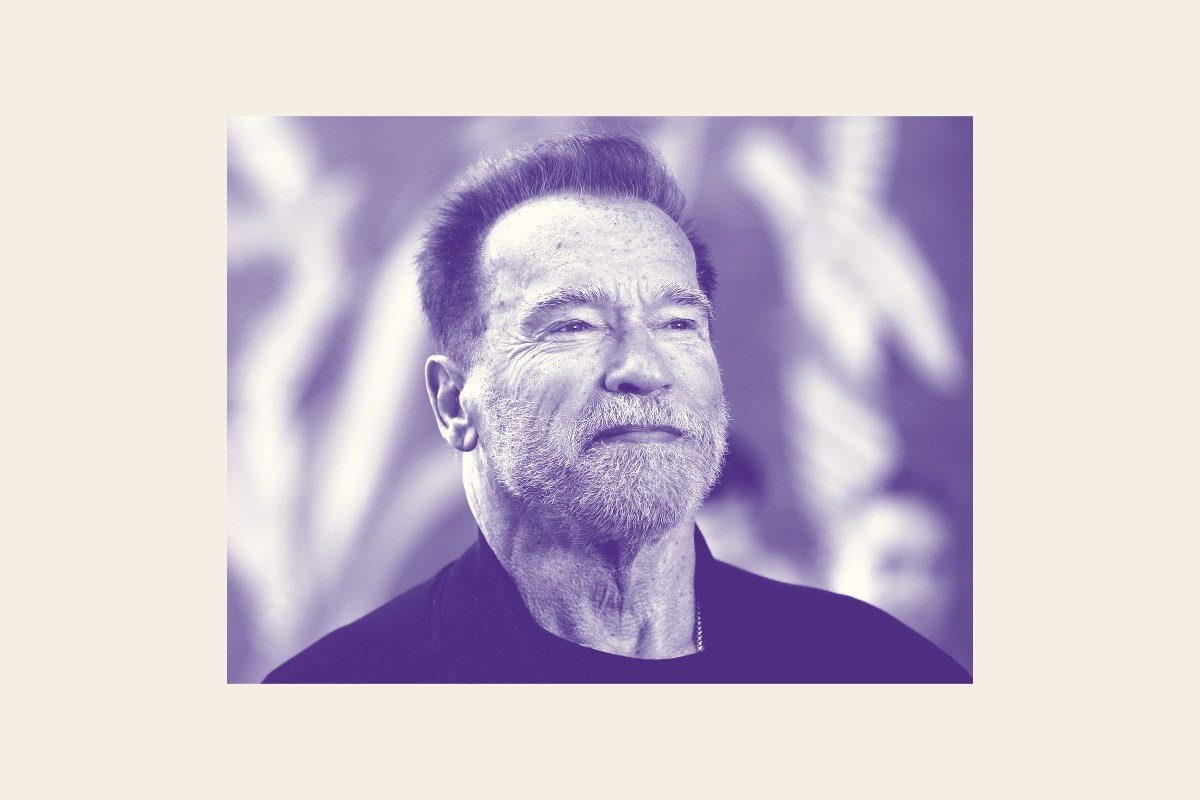
<img src="https://healthylife7.com/wp-content/uploads/2026/07/GettyImages-2172603727-f556b0.webp” alt=”Former California Governor Arnold Schwarzenegger at an event in 2024 in Berlin, Germany.”>
…
After my heart surgeries, doctors told me heavy lifting was no longer an option. For someone who built his life on pushing limits, that was a hard reality to accept
I walked back into the gym and had to relearn everything. The first time I picked up weights again, I had to use a lighter set than I was used to. Movements that I had done for decades suddenly required more focus and patience. But more than that, it forced me to realize how easy it is to let limitations take over if you don’t actively push back
Sure, there are mornings I don’t want to get out of bed. My joints feel heavy and the workout feels far away. On those mornings, I don’t wait for inspiration. I get up anyway, and somewhere on the bike ride or a few sets in, I’m back
I’ve been recognizing this pattern in a lot of people around me. One day they skip the stairs because their knees hurt. They pass on a walk after dinner because they feel stiff. They start avoiding things that once felt easy. Slowly, without realizing it, their world gets smaller and their limitations begin to define them
I see this clearly in my own life. I actively coach people of all ages (our oldest member turned 100!) on their fitness journeys through my Pump Club app. I play with my grandkids, which is a very honest test of my mobility. Movement stopped being about how my body looks a long time ago. Now I train so I can keep doing the things that matter
When pain and stiffness decide whether you can get out of a chair, climb stairs or keep up with your family, that is a threat to your independence. Research is on my side: Regular physical activity can reduce pain, improve function, build strength, improve balance and protect quality of life
I have trained for more than six decades, and what that training looks like today is completely different from when I was in my 20s. I use lighter weights but more repetitions and less rest between sets to keep the intensity up. I ride a bike instead of running on the beach. When I ski, I call it quits after a half-day. I no longer confuse discipline with stubbornness
Now my workout routine is about control, consistency and making sure I can keep moving tomorrow. My approach changed, but my commitment remains the same
I have used my hero Teddy Roosevelt’s line for years, “If you rest, you rust.” People laugh because it is blunt. But the older I get, the more accurate it becomes
You don’t have to surrender to the old myths about being past the point of no return. I’ve met people in their 60s and 70s in the Pump Club who transformed from being unable to squat their bodyweight to competing in powerlifting competitions. Research shows that people even in their 80s and 90s can still gain strength
We need more honest conversations about aging and longevity. Movement is not a luxury for the young or the pain-free. Movement is maintenance for life. It is how we protect independence, resilience and the ability to keep doing what we love
That is what a real comeback looks like
Arnold Schwarzenegger is a former professional bodybuilder, actor, former governor of California and longtime advocate for fitness and public health. He serves as Chief Movement Officer at Zimmer Biomet
Do you have a personal essay you want to share with Newsweek? Send your story to MyTurn@newsweek.com
Request Reprint & Licensing
View Editorial & AI Guidelines
