


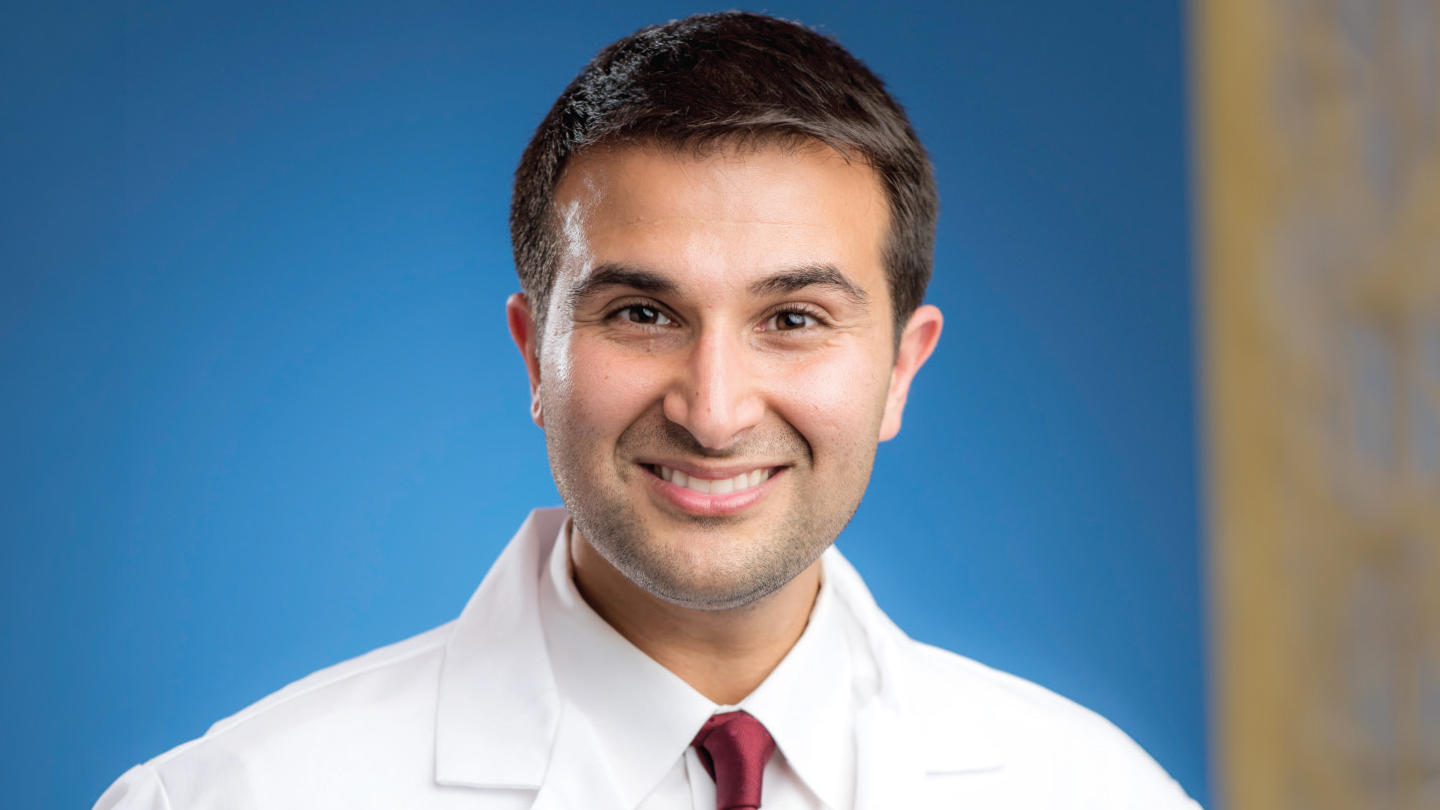
A review of the scientific literature on the impact of environmental factors on the health of pediatric cancer survivors by Omar Shakeel, MD, Assistant Professor in the Department of Pediatrics, Division of Hematology-Oncology at Baylor College of Medicine and Head of the Long-Term Survivor Clinic at Texas Children’s Cancer and Hematology Center, and his colleagues is shedding light on how environmental exposures to air pollution, tobacco smoke, extreme weather events, and pesticides can negatively impact the general health and survivorship of these survivors.
The findings of the review show that living in areas of high air pollution, defined as fine particulate matter (PM) of PM2.5 or greater, is significantly associated with decreased survival among children with cancer, regardless of socioeconomic status.1In addition, the review references data from research of pediatric cancer survivors in Utah showing that a higher 3-day average PM2.5 by zip code was associated with increased odds of respiratory hospitalization.2A follow-up study found that the cumulative zip code-level estimates of PM2.5in ambient air were positively associated with all-cause pediatric cancer mortality among survivors who had lymphoid leukemia, lymphoma, or brain tumors at 5 and 10 years post diagnosis.3
Dr. Shakeel and his colleagues also published an analysis of a survey sent to 154 members of the oncology team at Texas Children’s Cancer and Hematology Center to determine their knowledge of the environmental risk factors for pediatric cancer and interest in using an environmental referral service if one were developed. The recipients of the survey included physicians, advanced practice providers, nurses, and social workers
The results from their survey show that 80% of respondents reported receiving questions from families on the impact of the environment on their child’s cancer; and most, 75%, said they were not comfortable discussing the topic with families. However, 96%, indicated that an environmental referral service would be helpful, with most respondents expressing interest in using the service to address concerns in addition to or in lieu of discussing them directly with family members. Approximately 90% of respondents said they would not have any concerns using an environmental referral service; and several respondents expressed interest in incorporating such a referral service into their practice.1
To complement the survey of oncology providers, Dr. Shakeel and his colleagues also conducted a 1-hour focus group that included 19 family members of the Cancer and Hematology Center Family Advisory Team who had a child currently undergoing or who had completed cancer treatment. According to the results of the focus group, many family members expressed frustration that health-care providers are not prepared to address environmental issues and their impact on patients with childhood cancers; and agreed that integrating such a service into standard clinical practice would significantly reduce the anxiety they felt during their child’s cancer treatment and long-term survivorship.1
In a wide-ranging interview with Dr. Shakeel he discussed how climate change and related environmental hazards are influencing the development of cancer and overall cancer survival; why survivors of childhood cancers often experience accelerated aging and develop chronic health conditions years earlier than their healthy counterparts; and how environmental health can be integrated into pediatric oncology care
Reducing the Risk of Environmental Exposures
The results from your study showing the impact of environmental exposures, such as air pollution, tobacco smoke, extreme weather events, and pesticides, on the health outcomes of childhood cancer survivors are alarming, including worse overall survival among children with some types of cancer. Please talk about how these environmental exposures affect survivors of childhood cancers
I began leading the Long-Term Survivor Clinic at Texas Children’s Cancer and Hematology Center in 2020. Each year, we care for more than 1,000 survivors of childhood leukemia, lymphoma, brain tumors, and other solid tumors. Two of the most common questions I hear from survivors and parents are “What can I do to stay healthy throughout survivorship; and what can I do to help my child stay healthy in the years ahead?”
Many of these young survivors are living with treatment-related conditions, and remain at risk for developing chronic health problems as they age. Naturally, survivors and their families want to know what they can do to reduce that risk and promote long-term health
As physicians, we are trained to tell families “We usually cannot pinpoint one specific cause of a child’s cancer.” While this is true, for me, that answer never felt fully satisfying. Families want more than uncertainty. They want to know what they can do to support their child’s health moving forward
Guest Editor

Brandon Hayes-Lattin, MD, FACP
Dr. Hayes-Lattinis Professor of Medicine and Deputy Division Head of Hematology and Medical Oncology at Oregon Health and Science University, and Medical Director of the Adolescent and Young Adult Oncology Program at the Knight Cancer Institute at Oregon Health and Science University, Portland
During my fellowship, I became interested in how our environment may contribute to childhood cancer risk. Over time, that interest expanded to understanding how environmental carcinogens may influence not only cancer risk, but treatment outcomes and long-term survivorship as well
Our review of the scientific literature highlights growing evidence that air pollution, particularly long-term exposure to PM2.5, may be associated with worse outcomes among children with cancer, including decreased overall survival, and higher rates of respiratory hospitalization. Tobacco smoke is also well established as a carcinogen and is especially concerning for childhood cancer survivors who already have treatment-related cardiovascular and respiratory health issues
Scientific research is also increasingly examining how climate-related stressors and pesticide exposure may influence cancer outcomes. Emerging research suggests a connection between residential pesticide exposure and reduced survival in children with leukemia.4
Speeding Accelerated Aging in Childhood Cancer Survivors
Survivors of childhood cancers often experience accelerated aging and are at risk for a multitude of chronic health conditions as they age, including other primary cancers and heart disease. Why are these survivors so vulnerable to chronic health conditions as they age, and how do environmental risk factors exacerbate the speed of illness in this population?
Cancer treatment, particularly chemotherapy and radiation, can cause cellular damage, inflammation, and DNA alterations that affect the heart, lungs, endocrine and immune systems, and metabolism. These treatment-related effects may contribute to accelerated biological aging in childhood cancer survivors and promote the development of chronic health conditions earlier than expected
We are now also learning that environmental exposures, including to PM2.5, metals, and industrial chemicals, may worsen cellular senescence, drive oxidative stress, and alter DNA methylation. This may put further strain on survivors who already have treatment-related vulnerabilities and may potentially lead to worse long-term health outcomes
Environmental Health
Your study also published the results from a survey sent to members of the oncology team at Texas Children’s Cancer and Hematology Center, which included questions on their knowledge about environmental risk factors for pediatric cancer and interest in using an environmental referral service if one were developed. Family members on the Cancer and Hematology Center Family Advisory Team also expressed interest in the development of a pediatric cancer environmental referral service. How can environmental health be integrated into pediatric oncology care; what kinds of information would the environmental referral service include?
Throughout medical school, residency, fellowship, and now as a faculty member, I have seen that environmental health is not consistently incorporated into medical training, particularly how environmental exposures may influence cancer risk and outcomes. We are now trying to improve environmental health literacy, not just for our patients and families, but for clinicians as well
In the survey we conducted, we found that most oncology providers do not feel comfortable discussing environmental risk factors related to childhood cancer or survivorship outcomes.1 I think a major reason is that many of us simply never received formal training in this area
These conversations can also be challenging because many families cannot easily change the environment in which they live, work, or go to school. As physicians, we are appropriately taught not to assign blame and to reassure families that they did nothing to cause their child’s cancer. That principle remains essential. The goal of environmental health counseling is not to blame families, but to provide support, education, and practical strategies to reduce potentially modifiable exposures when possible.
Based on the results from our provider survey and family focus group, it became clear that both clinicians and families would welcome an environmental consult service. I joined the Childhood Cancer & the Environment Program, a national program of the Pediatric Environmental Health Specialty Units (PEHSU: https://pehsu.net/program/childhood-cancer-the-environment-national-program/) to help develop this type of resource
The goal of this program is to educate pediatric health-care providers, parents, and caregivers about evidence-based environmental influences on childhood cancer risk and survivorship. The PEHSU website contains realth workers on how to prevent or reduce harmful environmental exposures associated with childhood cancer risk
We are also developing retion strategies to help oncologists discuss issues of environmental health in a way that does not assign blame, but that instead offer evidence-based guidance, reassurance, and support
National Air Pollution Standards
The findings from your study come at a time when the Environmental Protection Agency is loosening greenhouse gas emission standards and weakening other air pollution limits for fossil fuel-fired power plants. The protections in jeopardy include the 2024 “Tier 4” emissions standards, which reduce smog-forming nitrogen oxides, fine particulate matter (PM2.5), and volatile organic compounds emitted from vehicles.5Your study found that exposure to PM2.5has been significantly associated with decreased survival among children with cancer, regardless of socioeconomic status.
What can the oncology community and the general public do to encourage stronger national air pollution standards?
We are uniquely positioned to play an important role in promoting environmental health education and advocating for policies that can protect vulnerable populations, including childhood cancer survivors. We need to raise awareness that clean air is not only an environmental issue, but a pediatric health and cancer survivorship issue as well. The importance of air quality is underscored by the International Agency for Research on Cancer’s classification of outdoor air pollution and particulate matter as group 1 carcinogens.6 Given what we know about the health effects of air pollution and the unique vulnerabilities of childhood cancer survivors, protecting air quality standards should be viewed as an important component of cancer prevention and survivorship care. (See “Actionable Steps You Can Take to Mitigate the Effects of Climate Change on Cancer,” below.)
I’ve partnered with the Oncology Advocates United for Climate and Health—International (www.ouchforclimate.org), whose mission is to advance awareness, actions, and policies that mitigate the effects of climate change on cancer care
Families that are affected by childhood cancer deserve clear, evidence-based information about environmental health. As clinicians, we can help by supporting research, promoting environmental health literacy, and engaging policymakers on evidence-based protections that reduce harmful environmental exposures
Our patients are very vulnerable to the health effects of climate change and environmental degradation. We have an important role to play in advocating for healthier environments and better long-term outcomes for the children and families we serve.
DISCLOSURE: Dr. Shakeel has no conflicts of interest to declare
REFERENCES
1. Shakeel O, Wood NM, Thompson HM, et al: Environmental exposures increase health risks in childhood cancer survivors. Cancers (Basel) 17:2223, 2025
2. Ou JY, Hanson HA, Ramsay JM, et al: Fine particulate matter and respiratory healthcare encounters among survivors of childhood cancers. Int J Environ Res Public Health 16:1081, 2019
3. Ou JY, Hanson HA, Ramsay JM, et al: Fine particulate matter air pollution and mortality among pediatric adolescent, and young adult cancer patients. Cancer Epidemiol Biomarkers Prev 29:1929-1939, 2020
4. Marsh J: Danger: Pesticides Raise Death Rick 60% for Kids With Leukemia. Available at https://cancer.ucsf.edu/news/2025/09/18/danger-pesticides-raise-death-risk-60-for-kids-with-leukemia
5. United States Environmental Protection Agency: EPA Proposes to Delay Unattainable Biden-era Vehicle Standards, Projecting $1.7 Billion in Savings. Available at www.epa.gov/newsreleases/epa-proposes-delay-unattainable-biden-era-vehicle-standards-projecting-17-billion
6. International Agency for Research on Cancer—World Health Organization: IARC: Outdoor air pollution a leading environmental cause of cancer deaths. Available at www.iarc.who.int/wp-content/uploads/2018/07/pr221_E.pdf
Actionable Steps You Can Take to Mitigate the Effects of Climate Change on Cancer
In 2023, ASCO published “Climate Change and Cancer Care: A Policy Statement From ASCO,” which affirmed the Society’s commitment to addressing the impact of climate change on cancer.1 The policy statement also offered recommendations oncologists and researchers can take to mitigate the impact of climate change on patients with cancer and on the oncology health-care system, including:
- Encouraging research into climate change and fossil fuels regarding their impact on cancer;
- Encouraging health systems to work with industry partners to identify opportunities to create cost-neutral efficiencies to minimize the carbon footprint of cancer care;
- Identifying opportunities to include recommendations in clinical practice guidelines for reducing the carbon footprint of cancer care;
- Advocating for climate change adaptation and mitigation policies and to communicate about the health benefits of addressing climate change in objective, simple language to their community and policymakers; and
Supporting legislation that seeks to increase funding for programs examining the impact of climate change on cancer risk, outcomes, and care delivery, with a particular emphasis on impact to the underserved and most vulnerable populations.
REFERENCE
1. Bernicker E, Averbuch SD, Edge S, et al: Climate Change and Cancer Care: A Policy Statement From ASCO. JCO Oncol Pract 20:178-186, 2024
