


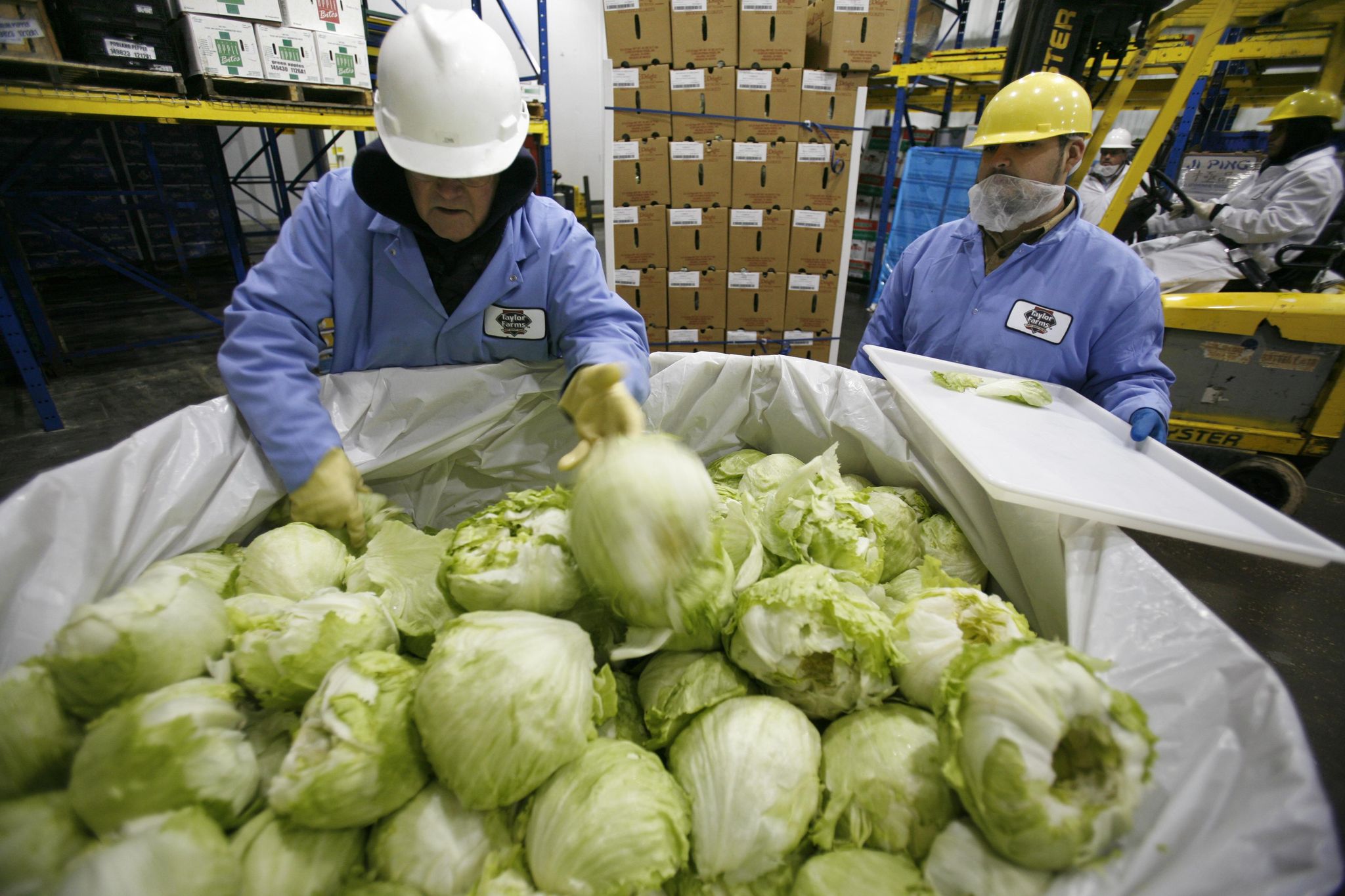
No public health effort succeeds without trust and clear communications. The lack of those factors is complicating attempts to control the current cyclosporiasis outbreak.
From May 1 through July 24, the U.S. Centers for Disease Control and Prevention’s website counted 6,707 laboratory-confirmed cases of the intestinal parasite, a number that continues to rise. Almost 2,000 of those cases were part of a multistate outbreak related to tainted packages of iceberg lettuce.
The current situation is abnormal. Most years, the United States experiences clusters of cyclosporiasis ranging from a few dozen cases to several hundred, but it’s rare that the total case count exceeds 1,000. (So far, Texas is experiencing a normal summer caseload.) This national spike in cyclosporiasis, like the alarming upward trend in measles cases for the past two years, coincides with growing mistrust in public health and a presidential administration that has been particularly inept.
Article continues below this ad
The trust problem has been building for years. During the pandemic, inconsistent advice, inaccurate information and occasionally ineffective public health measures eroded trust in medical authorities. Today, Health Secretary Robert F. Kennedy Jr.’s fact-free claims about the harms of vaccines and acetaminophen have also encouraged suspicion of standard medical advice. But Donald Trump’s pay-to-play presidency has added a new dimension to public distrust of federal health authorities.
Health workers trying to identify thelettuce at Taco Bell locations in several states. The lettuce came from Taylor Farms de Mexico; its parent company had donated $1 million to a Trump-aligned Super PAC in 2025, according to news reports.
After disease investigators notified the company that its lettuce was linked to the outbreak, Taylor Farms contacted the White House, questioning the FDA’s findings. The company wanted officials to intervene The White House discussed the issues with the FDA and Taylor Farms
The company eventually recalled the affected lettuce products. The FDA announced that a sample of lettuce from the grower had tested positive for cyclospora, then reversed itself
We don’t know exactly what anyone at the White House said, but the details that have been reported about Taylor Farms’ outreach to the administration leave a bad taste
Article continues below this ad
And federal messaging about cyclospora has been garbled and confusing. Test results should have been repeated before a public announcement linking the lettuce to an outbreak. Also, there are multiple outbreaks, not all related to the lettuce from central Mexico, which makes the situation more confusing for consumers
The FDA’s website encourages the public to “avoid all the products listed in Taylor Farms’ voluntary recall.” But the average grocery shopper wouldn’t buy them anyway: 33 of the 35 products are aimed at food service buyers. Walmart, which sells the two consumer-oriented products, has pulled them off its shelves.
Are American consumers safer from cyclosporiasis now than before the recall? We have no idea, and we don’t think the FDA knows, either
Have thoughts about this?
Send a letter to the editor using our letters form or email letters@dallasnews.com. Letters should be no more than 200 words and include the first and last name of the writer and city of residence.
