


Research and Innovation
Internationally Recognized Scientists Expand Miller School of Medicine’s Strength in Disease Modeling and Regenerative Science
By: Chad Hanson | August 15, 2026 | 8 min. read |
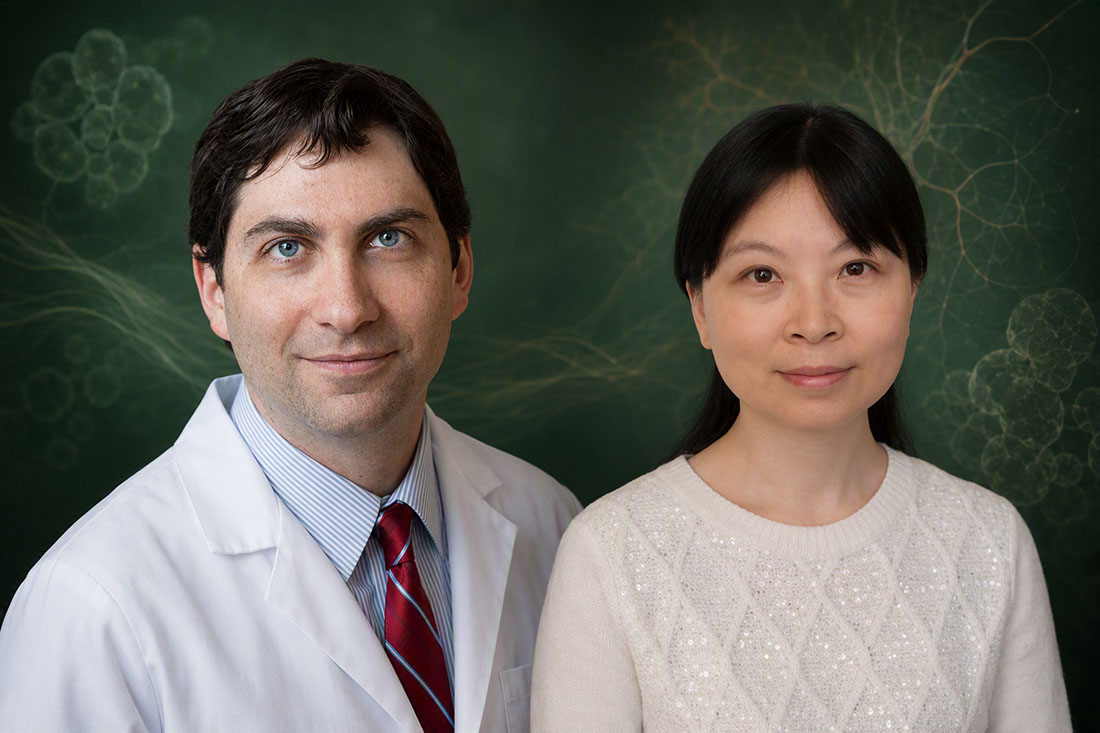
Benjamin Freedman, Ph.D., a pioneer in kidney organoids and genome editing, and Hongxia Fu, Ph.D., an expert in mechanobiology and disease modeling, join the University of Miami Miller School of Medicine to advance regenerative science, drug discovery and translational research
The University of Miami Miller School of Medicine’s Department of Cell and Systems Biology proudly welcomes two internationally recognized scientists with expertise in organoids, genome editing, mechanobiology and translational human disease modeling
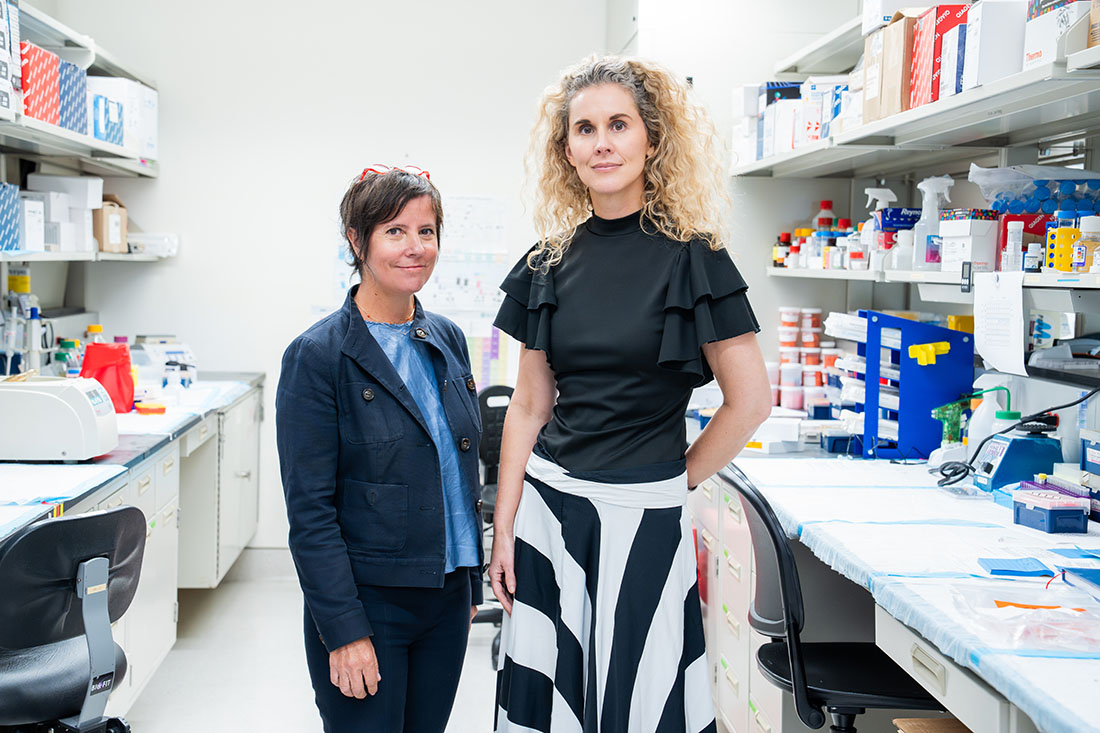
Benjamin Freedman, Ph.D., and Hongxia Fu, Ph.D., advance groundbreaking research and innovation that provide scientists and clinicians new ways to investigate how disease develops in human tissue. Dr. Freedman pioneered the development of human kidney organoids to create sophisticated models of kidney disease, while Dr. Fu studies how physical forces surrounding cells influence human health and disease. Together, their work expands the Department of Cell and Systems Biology’s ability to identify new therapies.
Dr. Freedman joins the department as professor and vice chair for research and co-director of the Healthy Aging Initiative at the Peggy and Harold Katz Family Drug Discovery Center. Dr. Fu, an associate professor, will lead an interdisciplinary program with the Department of Biomedical Engineering
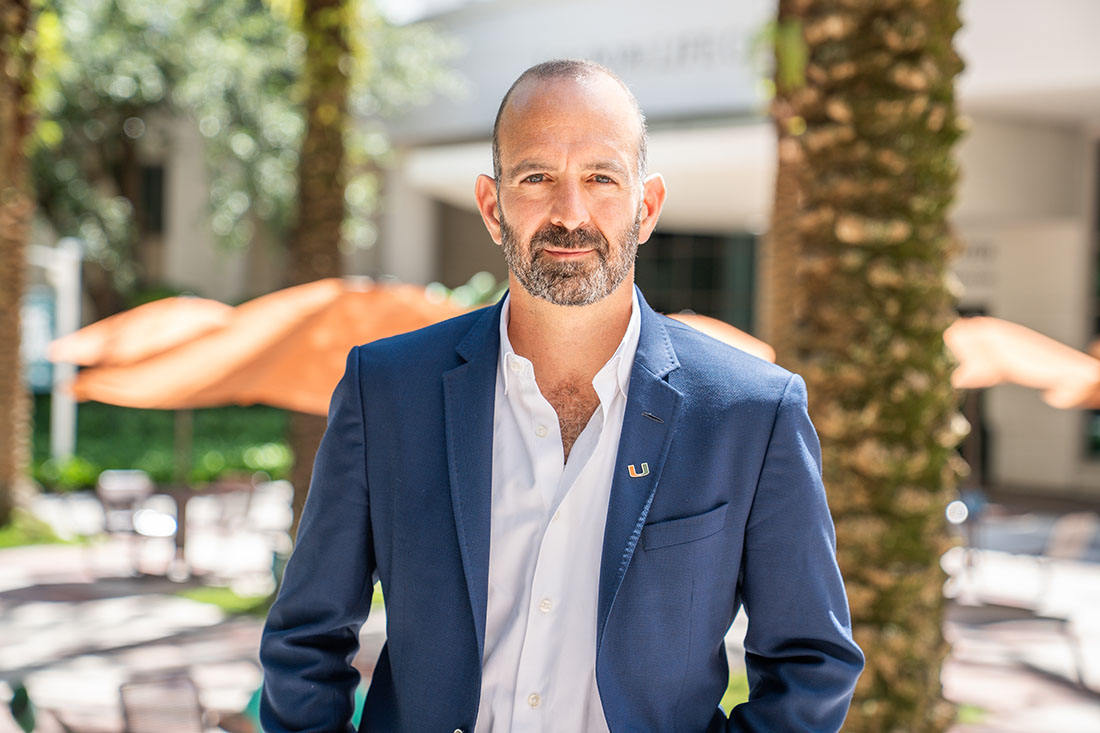
“We are thrilled to welcome Drs. Freedman and Fu, who developed groundbreaking, disruptive disease modeling technology to regenerate the kidney,” said Leor Weinberger, Ph.D., founding chair of the Department of Cell and Systems Biology. “This is an exciting new era for our team. Drs. Freedman and Fu are prolific and exceptionally well-funded academic scientists, as well as successful biomedical entrepreneurs. Attracting them to Miami, as anchor faculty in our new department, is an enormous coup for the institution.”
Re-Creating Human Kidney Disease in a Petri Dish
Dr. Freedman is one of the original inventors of human kidney organoids. These miniature, laboratory-grown structures closely resemble the functional units of the kidney. When implanted inside the body, organoids form kidney tissues, a step towards kidney regeneration from a patient’s own cells. He also combined his innovative organoids with CRISPR/Cas9 genome-editing technology to re-create polycystic kidney disease (PKD) in a petri dish, providing the first-ever human model of PKD progression in a lab setting.
This innovation represented a major technological leap in the field of nephrology, allowing scientists to closely investigate kidney development, injury, regeneration and disease progression with unprecedented precision and potential
“Dr. Freedman’s expertise is entirely aligned with the mission of the institution to promote drug discovery and development, and I am extremely excited to work with him to generate new therapies for patients affected by rare kidney diseases associated with premature ageing,” said Alessia Fornoni, M.D., Ph.D., a professor in the Katz Family Division of Nephrology and Hypertension, director and chair of the Peggy and Harold Katz Family Drug Discovery Center and assistant dean for research, training and development at the Miller School.
Dr. Freedman has published more than 60 peer-reviewed articles, and his work has appeared in leading scientific journals, including Cell Stem Cell, Nature Materials and Nature Biomedical Engineering. His contributions have earned international recognition, including the American Society of Nephrology’s Donald W. Seldin Young Investigator Award
“I am incredibly honored and excited to be joining the esteemed faculty of the University of Miami,” said Dr. Freedman. “The opportunity to work with Drs. Weinberger, Fornoni and so many others is a dream come true. The dynamic, innovative environment they have established will enable our research programs and trainees to truly thrive.”
Research Focus Areas
The research programs of Benjamin Freedman, Ph.D., and Hongxia Fu, Ph.D., expand the University of Miami’s capabilities in regenerative medicine, disease modeling, mechanobiology and translational science
Benjamin S. Freedman, Ph.D
- Kidney organoids and disease-in-a-dish models
- Stem cell biology and regenerative medicine
- Genome editing and precision medicine
- Polycystic kidney disease research
- Organoid-on-chip technologies
- Drug discovery and therapeutic development
- Tissue regeneration and human disease modeling
Hongxia Fu, Ph.D
- Mechanobiology and cellular force sensing
- Vascular biology and blood vessel function
- Blood clotting and thrombosis research
- Single-molecule imaging technologies
- Cilia biology and mechanosensing
- Organoid engineering and disease modeling
- Bioengineering approaches to human health
Why This Matters
Together, Dr. Freedman and Dr. Fu bring internationally recognized expertise in organoids, mechanobiology, genome editing and regenerative science. Their work helps researchers better model human disease, identify new therapeutic targets and accelerate the development of future treatments
Engineering New Insights Into Human Biology
Dr. Fu’s research bridges biophysics, bioengineering and stem cell biology to reveal how cells and proteins respond to mechanical forces and environmental signals. Her work seeks to uncover fundamental principles governing human biology and translate these discoveries into new approaches for diagnosing and treating disease
Dr. Fu’s research focuses on harnessing mechanobiology to understand and treat human disease and has developed innovative microfluidic platforms, single-molecule technologies and advanced imaging approaches. Her work reveals how mechanical forces regulate protein function and cellular interactions essential to hemostasis and thrombosis, leading to new understanding of bleeding and clotting disorders. Her research has expanded to include how blood vessels form and function and how miniature, lab-grown versions of human organs can be engineered to study disease. Her extensive publications have focused on blood vessel health, organ development and kidney disease.
“Force is everywhere in our body, providing important opportunities to better understand disease and develop new cures,” said Dr. Fu. “At the University of Miami, I’m thrilled to work with bioengineers, cell biologists and physician-scientists to advance the emerging field of mechanomedicine and translate these discoveries into improvements in human health.”
Supported by multiple National Institutes of Health awards, including an NIH Maximizing Investigators’ Research Award and ongoing R01 funding, Dr. Fu seeks to translate fundamental discoveries in mechanobiology into advances for human health
Developing the Next Generation of Scientists
Beyond their research accomplishments, both scientists have demonstrated strong commitments to mentorship, trainee development and scientific collaboration. They have guided dozens of students, postdoctoral fellows and early-career investigators while leading nationally recognized research programs. The pair also co-founded a biotechnology company focused on developing mini-organ disease models
Their arrival expands the scientific toolkit of the Department of Cell and Systems Biology while making human biology easier to model, measure, and ultimately translate into better treatments
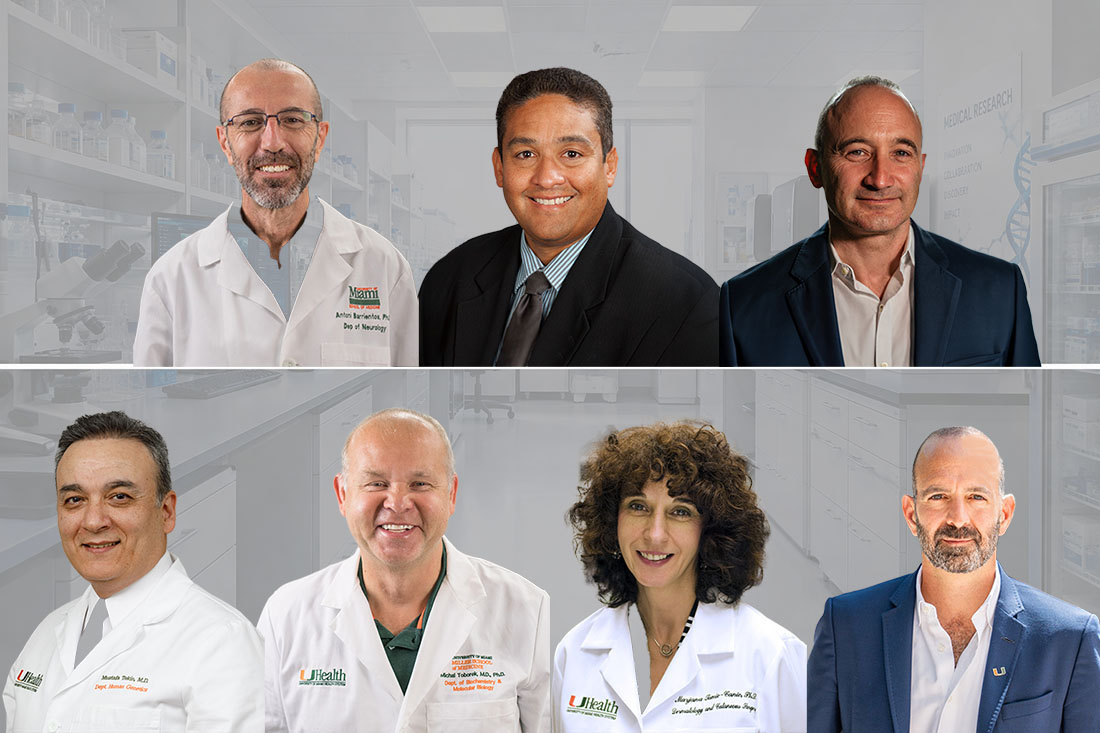
Miller School of Medicine Faculty Elected to Academy of Science, Engineering and Medicine of Florida
University of Miami Miller School faculty are recognized for their impact in research, innovation and leadership
Read more
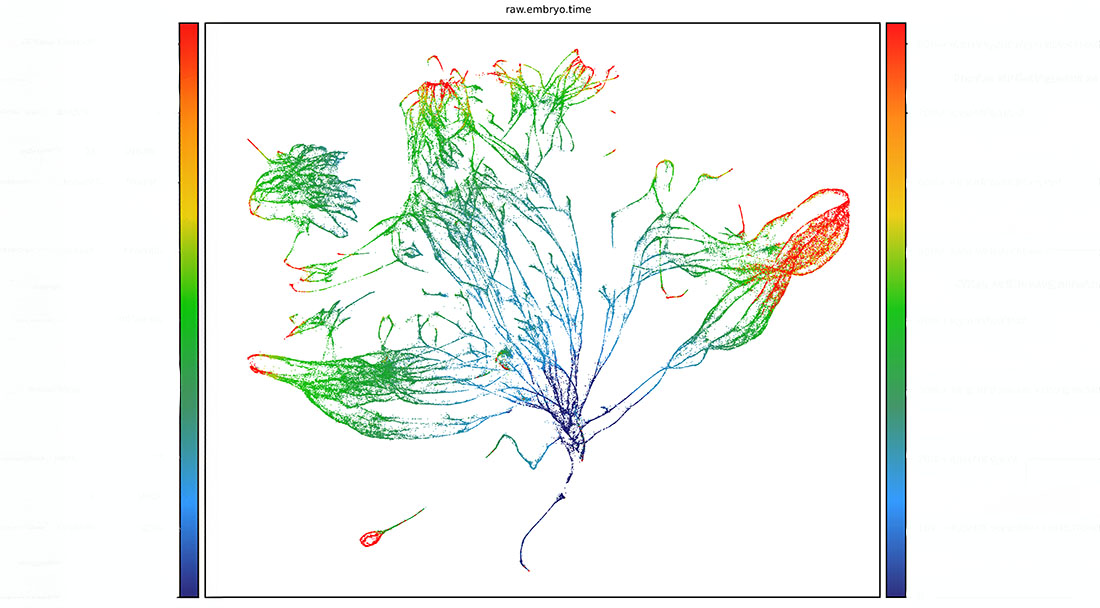
Understanding What’s Going on Inside of Cells: The Dimensionality of Gene Expression
Miller School researchers provided strong evidence that the CONCORD platform is a
Read more
RISE Up: Miller School Program Promotes Scientific Research Career Paths
Research, Innovation and Scholarly Engagement (RISE) connects medical students and researchers with essential re
Read more
How Advanced Mathematics is Pushing the Boundaries of Drug Discovery
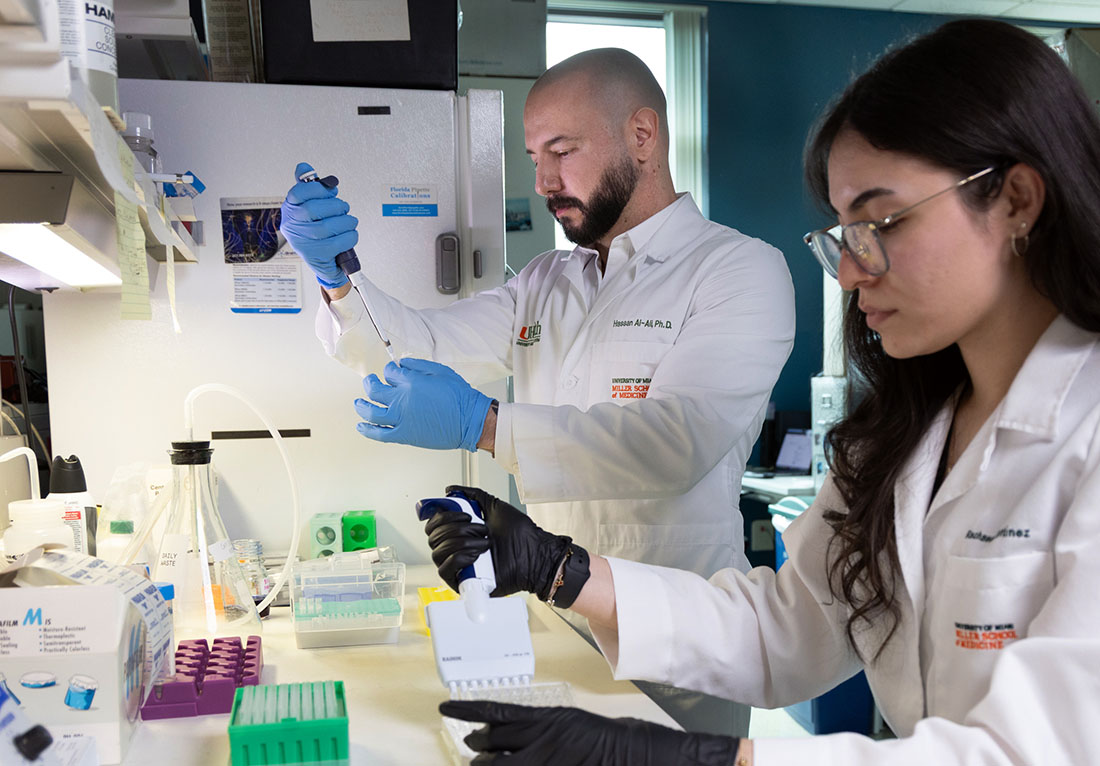
The University of Miami Miller School of Medicine’s Dr. Hassan Al Ali is using advanced mathematics and algorithms to refine drug discovery work
Read more
