


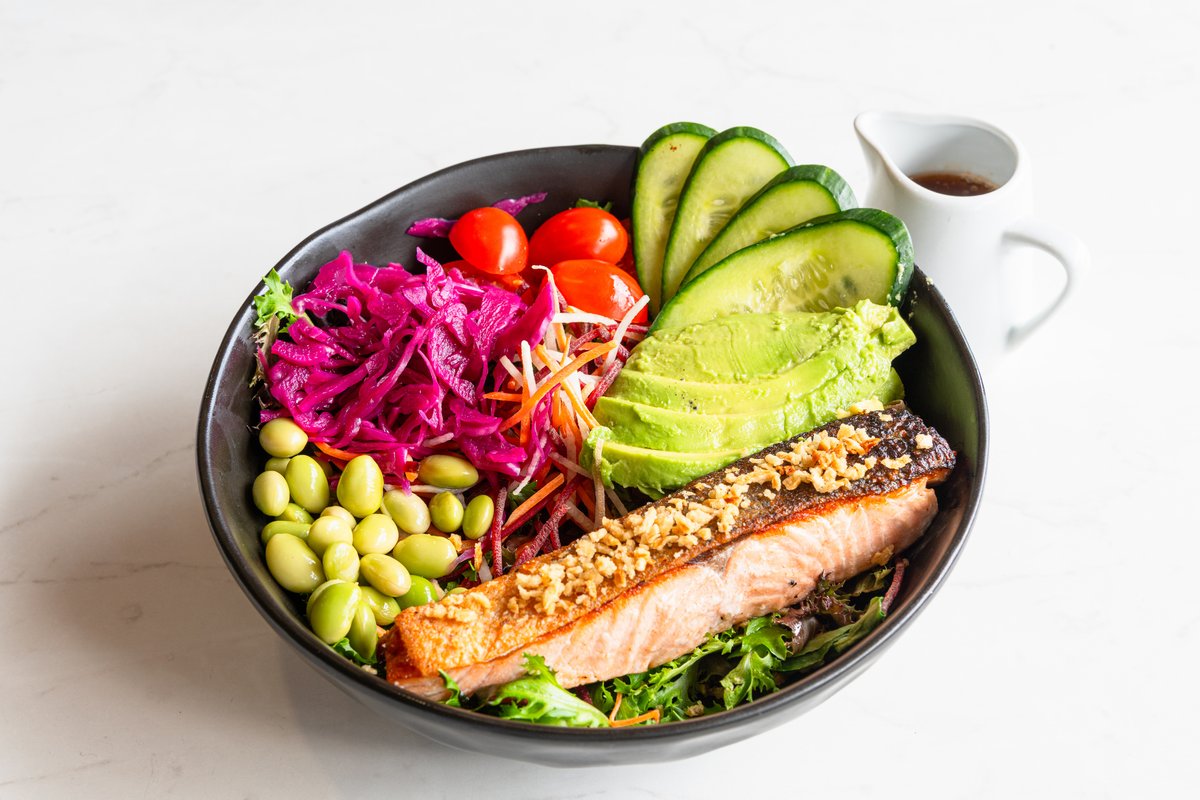
It’s possible to lose weight following any one of three diets, a new clinical trial finds—but one diet stands out for its substantive health benefits that the other eating regimens just don’t seem to offer
In the trial, researchers put three popular weightless regimes—the Mediterranean diet, a low-fat plant-focused diet and the keto diet—to the test. The Mediterranean diet has long been lauded by nutritionists for its health benefits, being high in healthy fats, plants and whole grains. A plant-focused diet is similar, and highlights plant-based foods. Keto is rather different: It is typically high in fat and very low in carbohydrates, with a little protein thrown in for good measure
Ketogenic diets are specifically intended to limit your body’s access to sugars, forcing it to consume fat for energy—a process called ketosis. It’s used to treat certain diseases, such as epilepsy, and may have some benefits in other psychiatric conditions such as depression and schizophrenia
On supporting science journalism
If you’re enjoying this article, consider supporting our award-winning journalism bysubscribing. By purchasing a subscription you are helping to ensure the future of impactful stories about the discoveries and ideas shaping our world today
Now, in a new head-to-head clinical study of the three diets, researchers found that people with obesity who lost weight on a keto diet saw better metabolic outcomes than their peers who lost a similar amount of weight on another diet. These benefits included a reduction of liver fat and lower rates of prediabetes
The trial was small—it involved 55 participants with obesity who were prediabetic and had fatty liver disease. The participants met with a dietician every week, and they got pre-cooked, frozen meals for either the Mediterranean diet, plant-focused diet, or the keto diet
The keto diet the participants followed was rich in food such as fruits and vegetables, cheese, eggs, meat and fish, says Samuel Klein, the study’s senior author and a professor of medicine and nutritional science at Washington University School of Medicine. The Mediterranean diet, meanwhile, included items such as fish, chicken, legumes, seeds, nuts and olive oil, and the plant-focused diet included beans, rice, and fruits and vegetables
Klein and his colleagues weren’t interested in whether the diets helped patients lose weight. “That’s already been studied in multiple studies, and the differences are quite small between these three different diets,” Klein says. Instead, they assessed each participant’s health before and after they had lost a similar amount of weight to one another—about 10 percent of their starting weight
All three diets had clear health benefits, such as greater sensitivity of muscle tissue to insulin, says Max Petersen, the paper’s lead author and an assistant professor at Washington University School of Medicine. Blood cholesterol profiles were also similar across all diets
But the keto diet had “much more profound beneficial effects on the liver,” Klein says. Participants on the keto diet saw a decrease in the liver’s production of triglycerides, a kind of fat which are unhealthy in high amounts, and increased liver insulin sensitivity, which helps regulate blood sugar, as well as a reduction in liver fat
That was a critical metric, Klein says; liver fat can have serious complications, including inflammation and cancer. About half of the patients on the keto diet also saw remission of their prediabetes
The results suggest that reducing carbohydrate intake, particularly sugars, can help people lose weight and support their metabolic health, Klien says. “Reducing sugar intake would be a number one thing to do for anybody taking trying to change their diet to improve their health if they have obesity, independent of weight loss itself.”
The study is well-designed, says Jeff Volek, a kinesiologist at The Ohio State University who was not involved with the study. Research by Volek and others have shown that ketosis can help with liver insulin sensitivity, triglyceride production and more. The study adds to that body of evidence, he says. “It is nice to see these researchers finally coming around on ketogenic diets, as the evidence has been strong for a long time,” Volek says
Sai Das, a nutrition science professor at Tufts University, who was also not involved in the study, says that the results suggest keto is a “highly promising” choice for people who need to reduce their liver fat and triglyceride levels ahead of surgery, whether for weight loss or any other chronic condition. “This diet offers a better option to do this in a timely manner,” Das says
However, the study’s short timeline and small sample size means more research is needed to better understand the long-term impacts of the keto diet compared to others, she says. On the Mediterranean diet, she notes, patients saw greater reductions in body fat mass and less in fat-free mass, which includes muscles and bones
Klien, for his part, hopes the results inspire future research combining keto with popular GLP-1 weight-loss drugs such as semaglutide, tirzepatide and more
“All medications have costs and side effects,” he says. “How can we use diet in conjunction with medication to enhance the therapeutic effect with the least amount of cost and least amount of side effects?”
The findings published on Thursday in the journal Cell Metabolism
It’s Time to Stand Up for Science
If you enjoyed this article, I’d like to ask for your support.Scientific American has served as an advocate for science and industry for 180 years, and right now may be the most critical moment in that two-century history
SciAmalways educates and delights me, and inspires a sense of awe for our vast, beautiful universe. I hope it does that for you, too
If yousubscribe toScientific American, you help ensure that our coverage is centered on meaningful research and discovery; that we have the re.S.; and that we support both budding and working scientists at a time when the value of science itself too often goes unrecognized
In return, you get essential news,captivating podcasts, brilliant infographics,can’t-miss newsletters, must-watch videos,challenging games, and the science world’s best writing and reporting. You can evengift someone a subscription
There has never been a more important time for us to stand up and show why science matters. I hope you’ll support us in that mission
