


Just 30 Minutes of One Type of Exercise Improves Sleep The Most
Health10 August 2026ByJess Cockerill
Add ScienceAlert on Google
(Westend61/Getty Images)
Scientists know exercise is an important factor in getting a good night’s sleep, but it’s unclear which types of exercise have the greatest effects
From resistance training and HIIT (high-intensity interval training) to tai chi and pilates, research is beginning to show that not all forms of exercise are created equal when it comes to tackling sleep disruption
A recent meta-analysis comparing different workouts according to their effects on sleep identified one stand-out: high-intensity yoga
Bringing together data from 30 randomized controlled trials, researchers at the Harbin Sport University in China found that regular yoga has the strongest association with improvements to sleep, over walking, combination exercise, aerobic exercise, or traditional Chinese exercises, like qi gong and tai chi
The trials involved over 2,500 participants with sleep disturbances across all age groups, from more than a dozen different countries
Watch the clip below for a summary of the research:
Of all forms of exercise included in the study, the researchers found that two high-intensity yoga sessions each week, lasting up to 30 minutes, was the “optimal exercise prescription” for poor sleep
“This research encompassed a comprehensive analysis of 30 studies that systematically evaluated the impact of various exercise regimens on enhancing the sleep quality of individuals experiencing sleep disturbances using network meta-analysis techniques,” the researchers concluded
“The findings suggest that a yoga exercise prescription, conducted twice weekly for 8–10 weeks, lasting ≤ 30 min per session, and of high intensity, is the most effective approach for improving the sleep quality of individuals with sleep disturbances.”
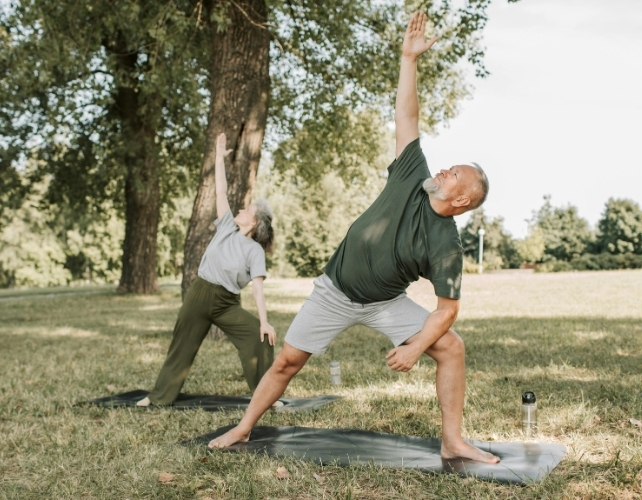
High-intensity yoga is quite distinct from the gentle, slow movements you might associate with yoga: it involves a much faster flow between poses that harness your own body weight to create resistance
Next in the ranks was walking, followed by resistance training (also known as strength training, which includes workouts like pilates and weight lifting)
The researchers also found that the yoga regime that worked best to improve sleep had a “significantly superior” effect compared to aerobic exercise
That result contrasts with the findings of another review, published in 2023, that found three sessions of aerobic or mid-intensity exercise each week could be the most effective workout for addressing sleep disturbances
One study included in that review, however, did indicate that yoga had more significant effects on sleep outcomes than other exercise types
Yoga can also be difficult to categorize as either aerobic or anaerobic, and its intensity can vary depending on the technique used
The same goes for other exercises that have been identified as helpful in similar studies: tai chi, pilates, and aerobic exercise, for instance
Perhaps these differences in practice – and definition – can explain why the outcomes differ from trial to trial
A study published in 2025 found that tai chi was effective for improving sleep, with results on par with cognitive behavioral therapy for insomnia (CBT-I)
In the short term, a group of participants who received CBT-I reported a greater reduction in their insomnia symptoms than those in a tai chi group, but when the researchers assessed participants again 15 months later, the tai chi group had ‘caught up’

The authors of that study suggested tai chi’s accessibility and ease of integration into people’s lifestyles may benefit its long-term effectiveness
These meta-analyses cannot explain why yoga or other forms of exercise may be particularly beneficial for sleep, but there are a few possibilities
Yoga is known to raise the heart rate, push muscles, and regulate breathing (something it has in common with tai chi and pilates)
Research suggests breath control can activate the parasympathetic nervous system by stimulating the vagus nerve, and improve sleep quality
Other studies even suggest yoga regulates brainwave activity patterns, which could promote deeper sleep
And, again and again, the research highlights forms of exercise that involve resistance (even ones that aren’t specifically labelled ‘resistance training’). These workouts, in which your muscles are working against an oppositional force (think downward dog, plank, reformer pilates, and weights), could be best for a good night’s sleep
Perhaps sweating it out on a yoga mat works because it deliberately pairs breath control with resistance – but we’ll need some more detailed studies to know for sure
There’s no shortage of evidence telling us exercise in general will help your sleep, but rigorous studies on specific exercises and their long-term effects are lacking
“Caution should be exercised when interpreting findings from studies on sleep disturbances, given the limited number of studies included and the unique characteristics of the sleep disturbances population,” explain the researchers at Harbin Sport University
“Further, high-quality research is needed to confirm these findings.”
Every body and brain is different: there’s no guaranteed one-size-fits-all solution to insomnia or other sleep disturbances
While exercise could be one part of the puzzle, it’s best to speak with a doctor if your quality of life is being affected by sleep disturbances
The yoga study was published in Sleep and Biological Rhythms
This article was fact-checked by Fiona MacDonald and edited by Fiona MacDonald. While we pride ourselves on our process, we are only human. If you spot a mistake, please let us know
