


Environment and Climate
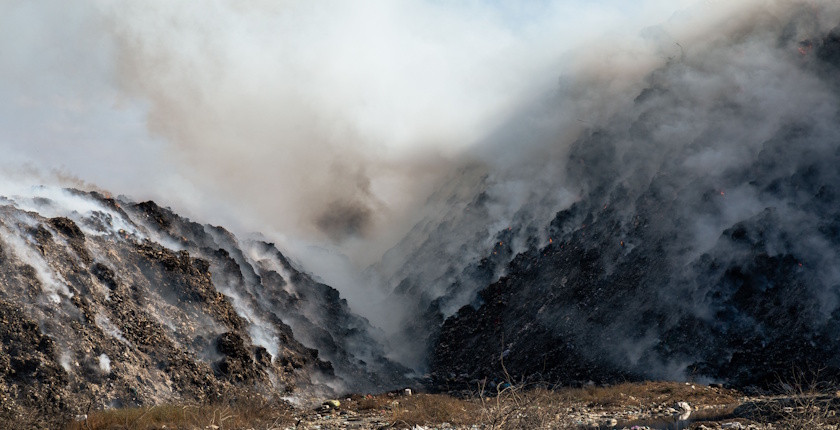
Landfill fires in Serbia are constant environmental and public health crisis
Six landfill fires erupt every day in Serbia, on average. However, open flames are only the visible part of the problem: waste can smolder deep inside dumpsites for extended periods, releasing substances harmful to human health, warned Dejan Lekić, a member of the National Environmental Association (NEA) and creator of the xEco Vazduh air quality application
Considering their frequency, geographical distribution and long-term consequences, landfill fires can no longer be regarded as isolated local incidents, Lekić told Balkan Green Energy News
“We are facing a serious and continuous environmental and public health crisis,” he stressed
Serbia-based Environmental Engineering Group has just published a paper, in cooperation with the Chamber of Commerce and Industry of Serbia, on the impact of landfill fires on air pollution and people’s health. Supported by the United Nations Environment Programme (UNEP), the results indicate serious systemic deficiencies in waste management
For instance, according to data from the Ministry of Internal Affairs, there were 584 landfill fires in 2016. The number increased to 1,715 in 2021, exceeded 2,100 in 2024 and reached a record 2,217 last year
Toxic emissions can enter the food chain
Lekić noted that underground smoldering at unsanitary and illegal dumpsites may go unnoticed even after the visible flames disappear
Landfill fires can release particulate matter, heavy metals, benzo(a)pyrene, dioxins and furans. As many dumpsites in Serbia are located near agricultural land and waterways, hazardous compounds can accumulate in soil, contaminate groundwater and eventually enter the food chain through locally produced milk, meat and eggs
The risk exists year-round because the anaerobic decomposition of organic waste continuously generates landfill gas, primarily methane and carbon dioxide. Nevertheless, fires are more frequent during hot and dry summer periods, when reduced moisture in the surface layers of waste facilitates ignition and the spread of flames
Different fires require different responses
Although landfill fires, stubble burning and wildfires often occur during the same hot and dry periods, Lekić said they should be treated separately because their causes, combustion mechanisms and emissions differ
Climate change creates increasingly favorable conditions for fires, but human activity remains the underlying cause, including poor waste management, illegal burning and inadequate inspection
According to Lekić, Serbia must urgently close unsanitary dumpsites and shift to regional waste management systems. The authorities should also penalize open burning and strengthen capacities for wildfire prevention, early warning and response
air pollutantsair pollutionDejan Lekićfireslandfill

Croatia decarbonizing railway transport with battery trains
The Croatian passenger rail operator HŽ Putnički Prijevoz is acquiring six battery-electric trains and installing a hybrid charging station
Environment and ClimateCroatia
July 17, 2026
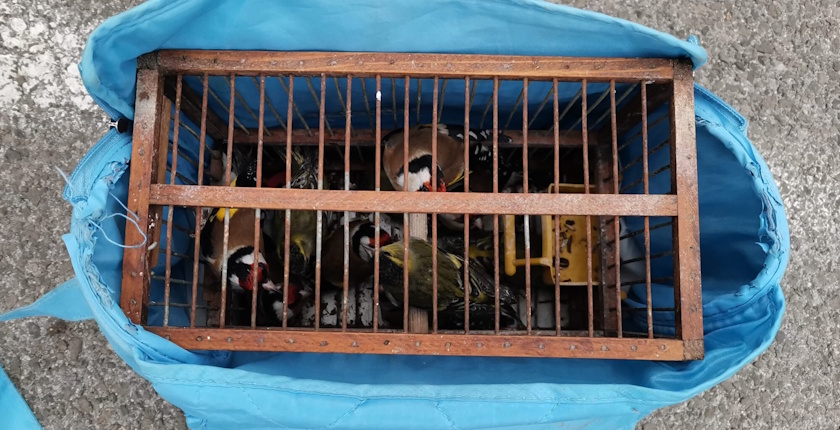
Serbia records 1,647 cases of illegal activities involving wild birds from 2017 to 2023
The Bird Protection and Study Society of Serbia (BPSSS) published a report documenting 1,647 cases of illegal killing, poisoning, capture, keeping, and trade of wild birds in Serbia from 2017 through 2023
Environment and ClimateSerbia
July 14, 2026
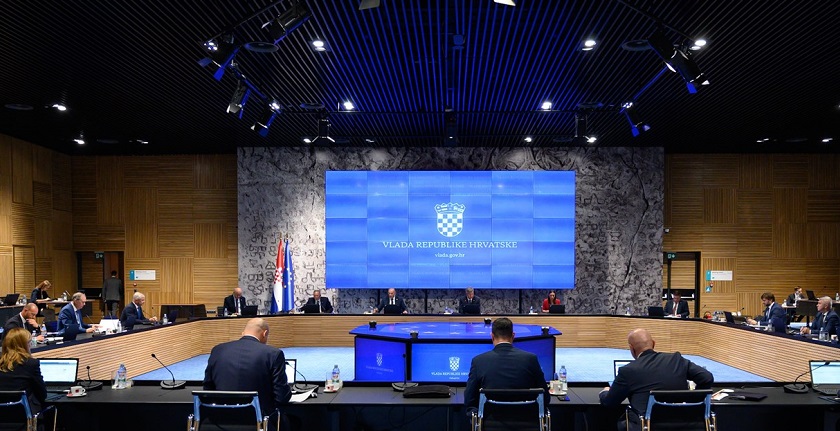
Government of Croatia adopts bill on energy georesources
The Government of Croatia has adopted a bill on the exploration and production of energy georesources
Fossil fuelsCroatia
July 10, 2026

Hottest June in western Europe
June 2026 was the hottest June recorded for western Europe and the second-warmest globally
Climate ChangeRegion/EU
July 10, 2026
