


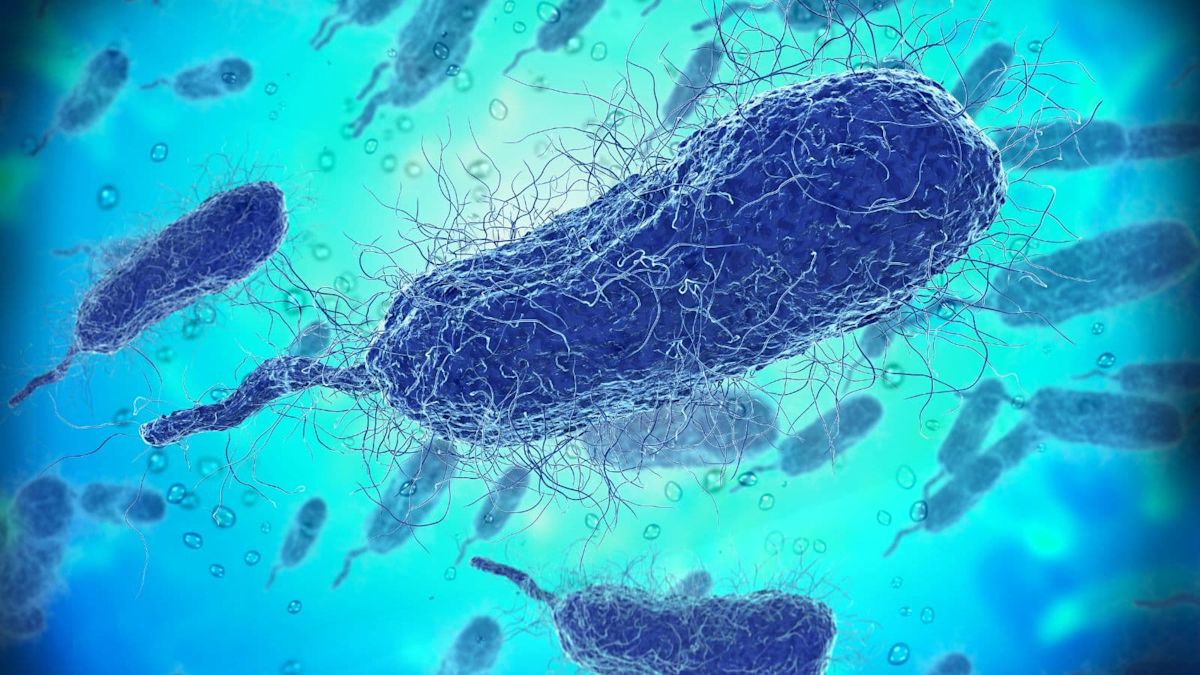
- Louisiana experienced a serious health warning after nine confirmed Vibrio vulnificus infections in 2026, resulting in five deaths.
- The bacteria Vibrio vulnificus can enter the body through open wounds exposed to seawater, causing severe illness and rapid progression of infection.
- Health officials in Louisiana urged caution and awareness of the risks associated with coastal waters, emphasizing the importance of early recognition and treatment of Vibrio infections.
For nine people in Louisiana, what began as an ordinary encounter with coastal water became a fight for survival against a bacteria most people had never heard of. Five of them did not survive, turning a naturally occurring organism found along the Gulf Coast into a serious health warning for communities across the state
The cases did not begin with something that looked dangerous. There was no obvious warning that the water was unsafe, no dramatic moment that suggested something life-threatening was about to happen. Instead, health officials said the infections were linked to a much smaller point of entry: open wounds exposed to seawater, allowing Vibrio vulnificus to enter the body and cause severe illness
Louisiana reported nine confirmed Vibrio vulnificus infections in 2026, with allnine patients hospitalized and five deaths recorded. The outbreak drew attention because the number of deaths was unusually high compared with the state’s typical experience with the bacteria. Health officials said the patients who became infected had underlying health conditions that placed them at greater risk of serious complications
Advertisement
For the families affected, this was not simply an outbreak statistic. It was a medical crisis that unfolded quickly, transforming normal moments near the water into hospital visits, uncertainty and loss. A bacteria that many people had never heard of suddenly became a reminder that some of the most serious dangers are not always the ones people can see
How a Hidden Bacteria Entered the Body
The frightening part about Vibrio vulnificus is that the beginning can look completely harmless: a small cut, a scrape, or a wound that seems too minor to remember can become the doorway for a dangerous infection
Vibrio vulnificus naturally exists in warm coastal and brackish waters, including areas along the Gulf Coast. The bacteria does not spread between people; instead, it infects individuals when contaminated seawater enters an open wound or when someone consumes raw or undercooked shellfish carrying the bacteria
In Louisiana’s reported cases, health officials linked the infections to seawater exposure through wounds. Many people spend time near the coast without ever experiencing a problem, but when the bacteria enter through damaged skin, it can begin multiplying and trigger a serious infection
Advertisement
The danger is especially great for people with weakened defenses against infection. Individuals with liver disease, diabetes, cancer, weakened immune systems, or certain chronic health conditions face a greater risk because their bodies may struggle to control the bacteria once it enters
What makes Vibrio vulnificus difficult to recognize is that the first signs can appear similar to an ordinary injury. A wound may look irritated at first, but the infection can progress rapidly, creating a race against time for doctors trying to stop it
Why It Is Called “Flesh-Eating Bacteria”
The nickname sounds terrifying, but the real danger is not that the bacteria literally consumes flesh; it is that severe infections can destroy tissue and spread through the body with alarming speed
When Vibrio vulnificus enters through a wound, it can cause a serious skin and soft tissue infection. In severe cases, the infection damages surrounding tissue, leading to the nickname “flesh-eating bacteria.”The medical concern is the rapid destruction of tissue and the possibility that the infection can move beyond the original wound
Advertisement
In some patients, the bacteria can enter the bloodstream and trigger sepsis, a life-threatening condition where the body’s immune response becomes overwhelming and begins damaging its own organs. Once bloodstream infection develops, patients can deteriorate quickly and may require intensive medical treatment
Doctors treating severe Vibrio infections often have to act quickly because the bacteria can move faster than many people expect. Some patients require surgery to remove infected tissue, and in the most extreme cases, amputation may be considered to prevent the infection from spreading further
The concern is that when the wrong conditions come together, warm water, an open wound, and a vulnerable immune system, the outcome can change dramatically
The Warning Signs People Should Not Ignore
The difference between a manageable infection and a life-threatening emergency can come down to recognizing the signs early and seeking medical attention before the bacteria has time to spread
The first symptoms often appear around the area where the bacteria entered the body. People may notice increasing redness, swelling, warmth, worsening pain, or changes in the appearance of the skin. Some infections can develop blisters, fluid-filled areas or rapidly spreading discoloration around the wound
Advertisement
As the infection becomes more serious, patients may develop fever, chills, weakness, confusion, or signs that the infection has entered the bloodstream. These symptoms can indicate sepsis, which requires immediate medical attention
Health officials have urged anyone who develops worsening symptoms after seawater exposure to tell healthcare providers about that contact. That detail can be important because early recognition of Vibrio infection can affect how quickly treatment begins
The warning is especially important for people with underlying health conditions. Still, officials emphasize that anyone with a wound exposed to contaminated water should pay attention to changes and avoid dismissing symptoms as a normal injury
The Five Deaths Behind Louisiana’s Health Warning
Behind the numbers are families who watched a small health concern become a devastating loss, often after something that seemed like a normal part of everyday life
The five deaths reported during the outbreak changed the way many residents viewed the risks around coastal waters. These were not people knowingly walking into danger; many were exposed during activities that are common throughout Louisiana’s coastal communities
Advertisement
Health officials stressed that Vibrio infections remain uncommon, and the goal of the warning was not to create fear around swimming, fishing, or enjoying the coastline. Instead, the message was about awareness, understanding that certain people face higher risks and that early action matters
The outbreak also highlighted the importance ofknowing personal health risks. For someone with a weakened immune system or certain medical conditions, an infection that might be manageable for another person can become much more dangerous
Why Louisiana Officials Are Urging Caution
Louisiana did not declare a state of emergency over the outbreak. Still, health officials issued warnings because the number of severe infections and deaths showed how quickly the bacteria could become deadly
The state’s response focused on prevention, public awareness, and helping residents recognize the risks. Officials advised people with open wounds to avoid exposing them to coastal or brackish water and recommended protecting cuts with waterproof coverings when possible
Advertisement
Residents were also reminded about seafood safety, particularly the risks associated with eating raw or undercooked shellfish. Vibrio vulnificus is naturally present in some marine environments, meaning prevention remains one of the most effective ways to reduce infections
The outbreak did not reveal a new threat appearing in Louisiana waters. The bacteria has existed for years. What changed was the attention surrounding the number of severe cases and the reminder that an invisible organism can create life-changing consequences
A Reminder That Some Dangers Are Hidden
The most unsettling lesson from Louisiana’s Vibrio outbreak is that danger does not always announce itself; sometimes it arrives through an ordinary moment that nobody thinks twice about
The water may look calm. A wound may look insignificant. A person may believe they are simply enjoying a normal summer day. But for the people affected by this outbreak, those ordinary moments became the beginning of a medical crisis
Advertisement
Vibrio vulnificus remains rare, but the Louisiana cases have brought new attention to the importance of awareness, especially in communities where contact with coastal waters is part of daily life
The question now is not whether people should fear the water, but whether more people understand the risks that can exist beneath the surface
What did you know about Vibrio vulnificus before this outbreak, and how has the situation changed the way you think about seawater and open wounds?
Florida’s Vibrio Death Toll Just Hit Two, and the Oyster Warnings Are Back
<a href="https://craftingyourhome.com/10-microorganisms-and-pathogens-that-help-treat-diseases/” rel=”nofollow noopener” target=”_blank”>10 Microorganisms and Pathogens That Help Treat Diseases
Check Your Fridge: Salmonella and Cyclospora Outbreaks Put Everyday Foods Under the Microscope
Advertisement
The post Louisiana’s Vibrio Outbreak: What We Know About the Bacteria Behind Five Deaths appeared first on FODMAP Everyday
