


- What Is Addiction?
- Take our Addiction Test
- Find a therapist to overcome addiction
Key points
- Before the opioid epidemic became a public health crisis, multiple warning signs were misread or dismissed.
- Tragically, a strikingly similar pattern seems to be emerging with kratom.
- Kratom’s main compound is an opioid that activates the same brain receptors as heroin and opioid painkillers.
- The easy accessibility of kratom means the prevalence opioid use disorder is likely to keep increasing.
“Those who cannot remember the past are condemned to repeat it.”
Long before the opioid epidemic became a full-on public health crisis in the U.S., there were multiple warning signs that were misread, minimized, and dismissed. Tragically, a similar phenomenon seems to be emerging with kratom
In the late 1990s and early 2000s an unusual intersection of well-intentioned pain specialists and rapacious pharmaceutical companies combined to help create a body of scientific research that served to allay the traditional concerns about the addictive potential of prescription opioids. This involved a handful of small studies that purported to demonstrate the risks posed by opioids—including addiction—were minimal. That research was uncritically accepted by the U.S. Food and Drug Administration (FDA), as well as by certain U.S. medical journals.
In response, state medical boards loosened their opioid prescribing standards, and the use of opioids was expanded to the treatment of a wide variety of chronic pain conditions. [1] This effectively precipitated the U.S. opioid epidemic, which led to the reemergence of much more widespread heroin use and the proliferation of synthesized fentanyl
What Is Kratom and How Does It Relate to Other Opioids?
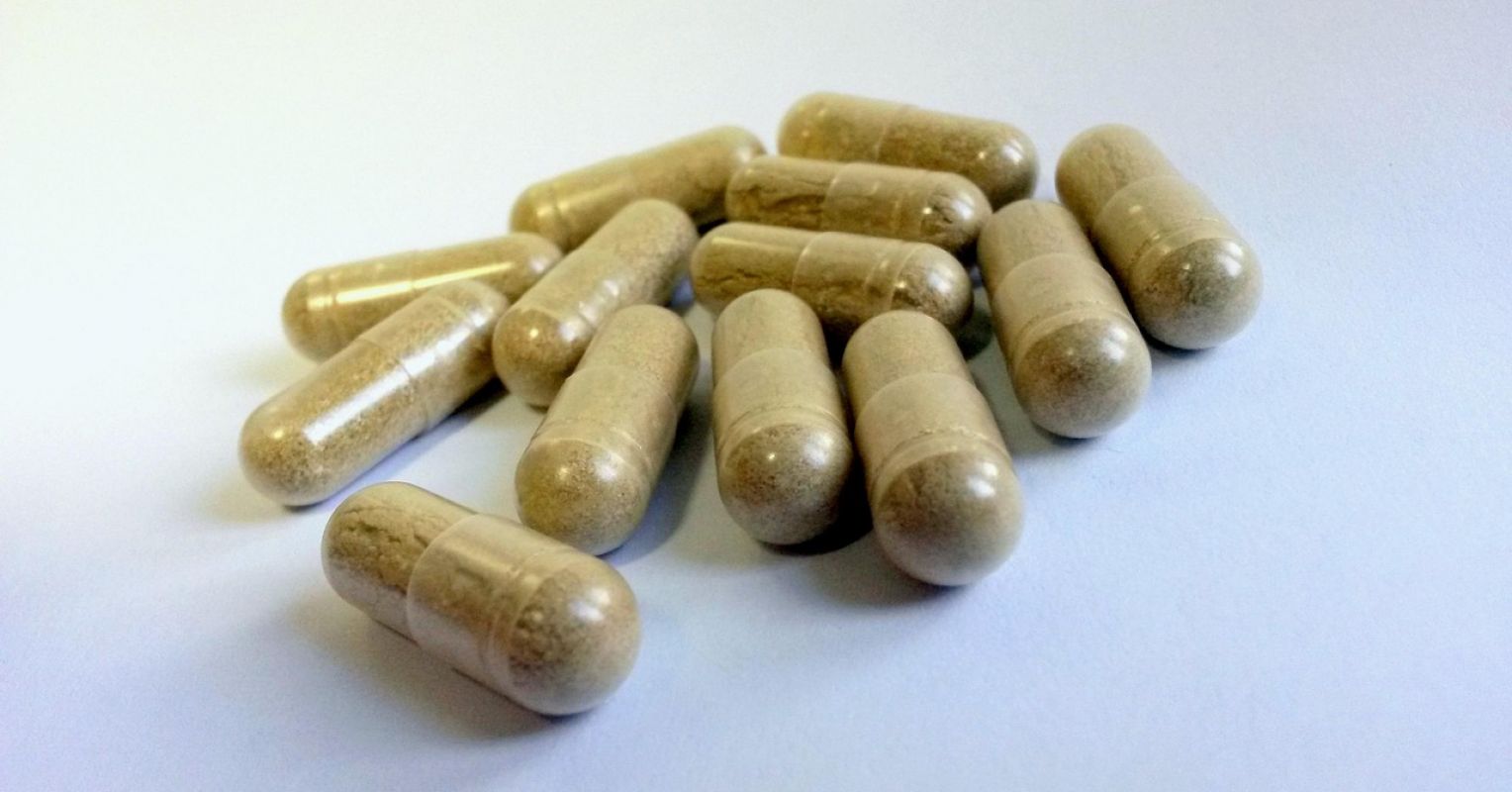
Kratom is the common term both for the dried leaves of the Mitragyna speciosa tree, native to Southeast Asia, and the drug made from them. Kratom contains more than 50 alkaloids (chemical compounds that often have pharmacological properties) and is currently sold legally online as well as at a variety of stores, including gas stations and convenience stores, in the form of capsules, powders, teas, and liquid shots
Lower doses of kratom are associated with stimulant-like effects, while higher doses have opioid-like effects. Stimulant effects include alertness, rapid heart rate, and increased energy. Other effects can include relaxation, confusion, and pain relief similar to opioids and sedatives. People report using kratom to alleviate pain, to reduce the intensity of emotional discomfort, to decrease opioid or other substance use, and to manage both cravings and withdrawal symptoms related to opioids and other drugs.
According to the U.S. Substance Abuse and Mental Health Services Administration’s National Survey on Drug Use and Health, in 2024, an estimated 1.85 million Americans aged 12 and older used kratom, compared to 1.63 million in 2023. Past-year usage among adolescents aged 12–17 increased 51 percent from 43,000 to 65,000 over the same period. [2] Importantly, kratom products have not been demonstrated to be either safe or effective for any medical condition, and the U.S. Drug Enforcement Administration has listed kratom as a “drug of concern” (even though kratom and kratom compounds are not listed on the U.S. schedule of controlled substances).
Are We Doing Enough to Mitigate Kratom’s Harms?
Earlier this month, the DEA announced a ban on a specific class of kratom products known as 7-OH, made by chemically treating kratom leaf to boost its opioid potency. This action is a step in the correct direction but does little to slow the broader public health problem, because ordinary kratom products will continue to remain legal and widely available in most states
- What Is Addiction?
- Take our Addiction Test
- Find a therapist to overcome addiction
The opioid crisis in the U.S. was driven in large part by misleading promotion and aggressive marketing. The DEA’s limited action, in my view, reflects an acceptance of the kratom industry-created narrative that public health problems involving kratom are specific to products containing 7-OH, while the “ordinary” version is a natural nonaddictive wellness re
However, the reality of lived experience is substantially different. Kratom-related poisonings and hospitalizations rose 1,200 percent over the past decade,[3] and most of this increase predates the introduction of 7-OH products just two years ago. [4] In contrast to the DEA, the U.S. Food and Drug Administration has long considered kratom itself (beyond 7-OH) to be dangerous
Addiction Essential Reads

Event, Response, Outcome: A New Lens on Addiction

Are We Testing for Drugs—or Trust?
In 2018, the FDA sought to classify kratom as a Schedule I controlled substance after concluding that the kratom leaf contains opioid compounds. Kratom industry lobbying helped stop that initiative, but the FDA website continues to warn Americans “not to use kratom because of the risk of serious adverse events, including liver toxicity, seizures, and substance use disorder.” [5]
That warning reflects the fundamental pharmacology of kratom: Its principal active compound is an opioid that activates the same brain receptors as heroin and prescription painkillers. Like other opioids, kratom can be highly addictive—repeated use leads to cravings, tolerance (the need for progressively higher doses), dependence, and withdrawal. As the FDA Commissioner put it unambiguously in 2018, kratom “isn’t just a plant, it’s an opioid.” [6]
According to new research from the University of Michigan and Texas State University published in the Journal of Addiction Medicine, kratom use in the US is increasing, with the highest use at ages 21–34. Kratom use was shown to be strongly associated with cannabis use, preexisting DSM-5 substance use disorders, and serious psychological distress. [7]
As long as kratom remains so easily available, the number of Americans suffering from opioid use disorder is likely to keep rising and the opioid crisis will continue. We’ve seen this movie before: When a powerful drug becomes readily accessible and its addictive potential is denied or minimized, more people use it, the prevalence of opioid use disorder increases, and the adverse health and social consequences inevitably accumulate. As legendary baseball Hall of Famer Yogi Berra might have said, “It’s déjà vu all over again.”
Copyright 2026 Dan Mager, LCSW
[1]https://www.psychologytoday.com/us/blog/some-assembly-required/201709/w…
[2]https://www.samhsa.gov/data/data-we-collect/nsduh-national-survey-drug-…
[3] Towers EB, Thomas YT, Holstege CP, Farah R. Increases in Kratom-Related Reports to Poison Centers – National Poison Data System, United States, 2015-2025. MMWR Morb Mortal Wkly Rep. 2026 Mar 26;75(11):139-145. doi: 10.15585/mmwr.mm7511a1. PMID: 41886310; PMCID: PMC13020857
[4] Alsbrook S, Pro G, Koturbash I. From kratom to 7-hydroxymitragynine: evolution of a natural remedy into a public-health threat. Pharm Biol. 2025 Dec;63(1):896-911. doi: 10.1080/13880209.2025.2590311. Epub 2025 Nov 23. PMID: 41275505; PMCID: PMC12671409. https://pubmed.ncbi.nlm.nih.gov/41275505/
[5]https://www.fda.gov/news-events/public-health-focus/fda-and-kratom
[6]https://web.archive.org/web/20190917020348/https:/www.fda.gov/news-even…
[7] McCabe SE, Bogan RC, Dickinson K, McCabe VV, Menke NB, Schepis TS. Kratom Use and Associations With Mental Health in the United States. J Addict Med. 2026 May 13:10.1097/ADM.0000000000001701. doi: 10.1097/ADM.0000000000001701. Epub ahead of print. PMID: 42127205; PMCID: PMC13318367
