


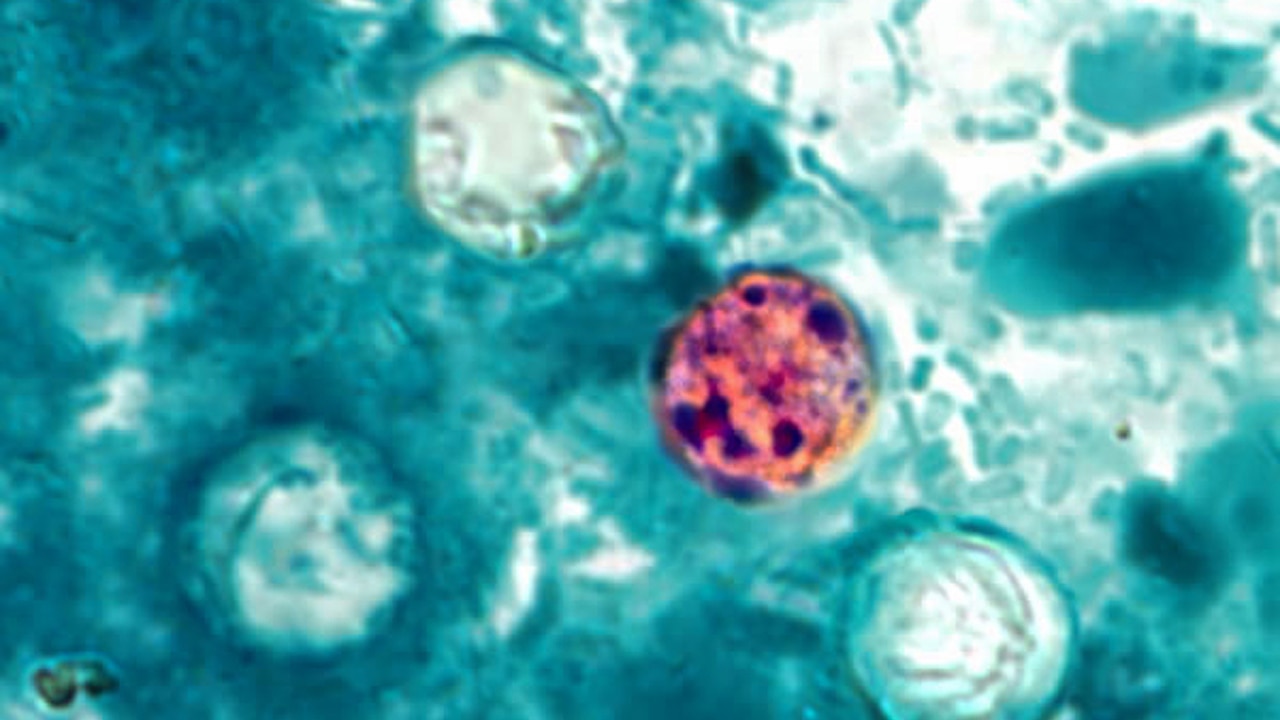
Maryland logged 38 more cases of cyclosporiasis in the past week, bringing the state’s total of tummy-turning parasitic infections to 148
Most cases have been reported since May. And while the increase is concerning, the numbers are nowhere near the thousands of confirmed and suspected cases in the hardest-hit states such as Michigan, which has had more than 10,000 reported cases
The U.S. Centers for Disease Control and Prevention reported Tuesday that there were 6,707 confirmed cases across the country and more than 11,500 under investigation. CDC officials said the numbers don’t align with state data, which may also include probable cases
The national numbers are likely undercounted, as some people won’t seek medical care or be tested
Advertise with us
Maryland officials say they have not found a common link in the state’s cases, but the work continues. Investigations are conducted by local health departments and reported to the state. Officials have determined that 54 cases were acquired internationally and 48 domestically, with another 46 pending further review
Cyclosporiasis is not spread through person-to-person contact but by ingesting contaminated food or water. Cases in nine states have been linked to Taylor Farms shredded lettuce imported from Mexico. The company issued a recall on July 17 for iceberg lettuce sold in restaurants and grocery stores
Measles is on the verge of a national record. Here’s what it means for Maryland
Jul 16, 2026
Cyclosporiasis cases continue to rise in Maryland
Jul 22, 2026
Cyclosporiasis outbreak still connected to Taylor Farms and iceberg lettuce
Jul 21, 2026
The CDC said it is investigating multiple clusters of cases around the country, and experts say there are likely more
The microscopic parasites find their way into crevices of fruits and vegetables when the produce is grown or washed with contaminated water. There are cases virtually every year — including 100 to 200 in Maryland — and they are most often detected in spring and summer
This year has been different in many states. And public health experts say tracing the origins is far more complex than with other bacterial infections
Advertise with us
Part of the trouble is that symptoms — including fatigue, loss of appetite, cramps, fever and sometimes explosive diarrhea — crop up about two weeks after contaminated food is consumed. By then, many people have trouble recalling what they ate. Some people have no symptoms at all
State health department officials say those affected should contact their healthcare provider. There have been no deaths reported, but more than 100 people have been hospitalized
Experts say people should wash their hands and their produce, but Dr. Kalmia Kniel, a professor of microbial food safety at the University of Delaware, doesn’t recommend giving up fruits and vegetables, which are important for a healthy diet
“Cook them if you are very concerned,” she said during a Tuesday news conference. “Or go to a local farmers market. There’s no guarantee it’s safe, but you’ll have a lower risk when there is less movement through the supply chain.”
