


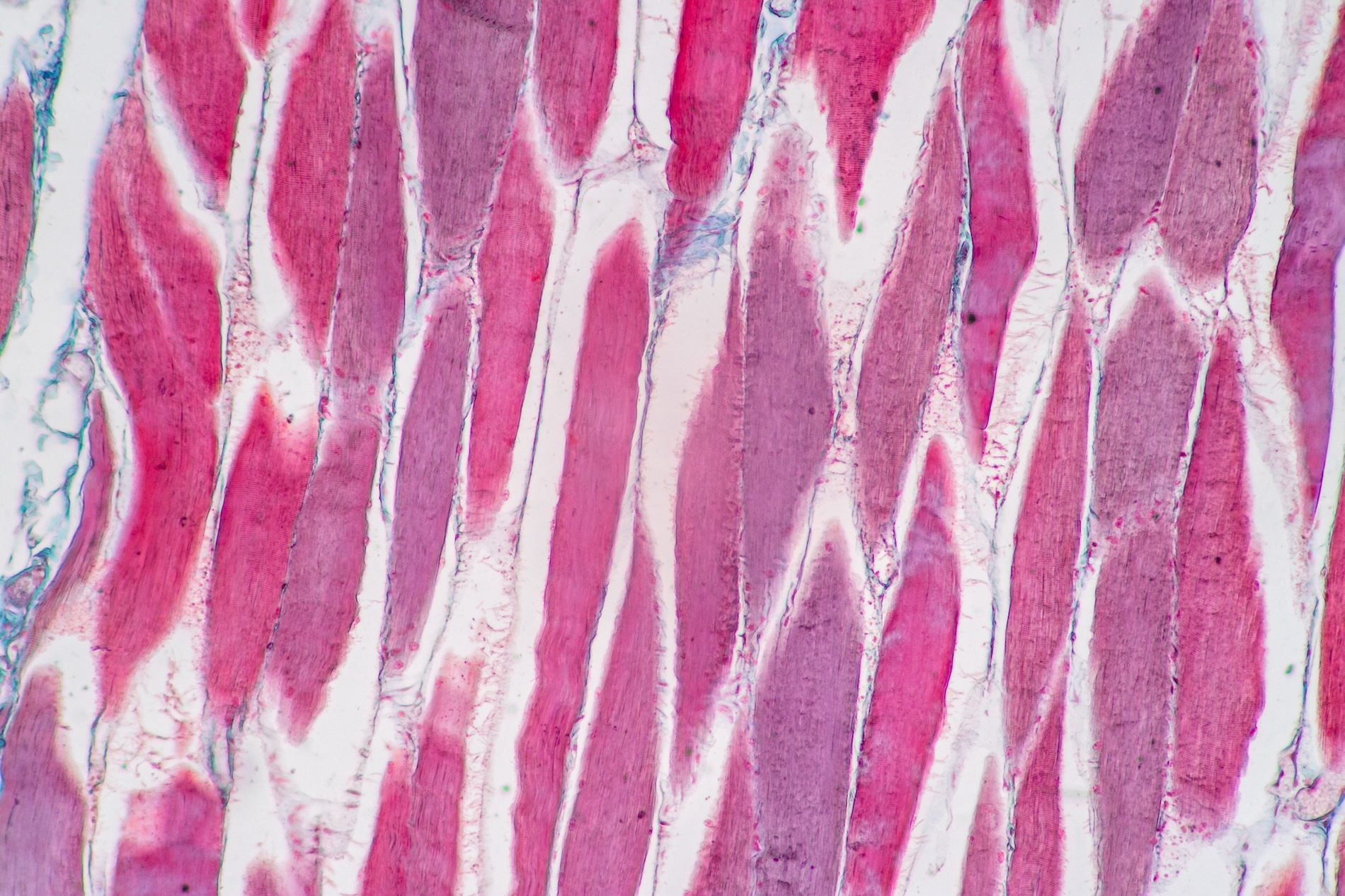
Cell therapies are growing in variety and effectiveness across many diseases. In the fight against Duchenne muscular dystrophy (DMD), deramiocel has emerged as an effective treatment for DMD in patients in early clinical trials. New data from the HOPE-3 Phase III clinical trial, published inThe Lancet, expand the efficacy to include patients with advanced DMD
“Deramiocel, a heart-derived cellular therapy consisting of human allogeneic cardiosphere-derived cells, improved cardiac and skeletal muscle function in Phase I–II studies of DMD,” wrote the authors. “Our aim was to assess the efficacy and safety of deramiocel in advanced DMD and support the findings of HOPE-2.”
This investigational cell therapy is just one example of the growing number of therapeutic modalities for DMD that span muscle-preserving biologics targeting the myostatin and activin signaling pathways, mutation-agnostic gene activation strategies designed to benefit patients regardless of their underlying dystrophin mutation, and CRISPR editing approaches
Sarepta Therapeutics’ Elevidys, one of several microdystrophin gene replacement strategies that include REGENXBIO’s RGX-202 and Solid Biosciences, has been the lightning rod of the industry. Antisense RNA exon-skipping therapies and targeted oligonucleotide delivery platforms have shown promising results, with Avidity Biosciences’ del-zota not merely slow DMD’s relentless progression—it appears to reverse it. Among the most novel is Epicrispr Biotechnologies’s epigenetic editing platform, which is advancing EPI-331 to upregulate utrophin, the natural functional analog of dystrophin, offering the potential for a one-time therapy applicable across nearly all forms of DMD.
In the HOPE-3 trial, 106 male participants aged 10 to 22 with advanced DMD were randomly assigned treatment with deramiocel (54 participants) or placebo (52 participants). The treatment was delivered intravenously every three months at outpatient trial sites across the U.S. Patients were monitored over 12 months for skeletal muscle, by determining the mean percentage change from baseline for full upper limb function, and cardiac function
“Deramiocel delays disease progression, with benefits on skeletal and cardiac muscle, in patients with advanced DMD,” the authors wrote. Their analysis found that patients treated with deramiocel showed significant arm movement improvements compared with the placebo with a 54% reduction in disease progression, compared to placebo. The secondary endpoint of cardiac function showed a positive impact of deramiocel with “nominal statistical significance.” In patients already presenting with cardiomyopathy (64), those treated with deramiocel had improved heart function compared to those who received the placebo.
Overall, the authors explain that deramiocel may have a positive benefit for patients with DMD. “Delay in the progression of upper limb functional decline is likely to maintain independence and quality of life by preserving the abilities to transfer, turn, and self-feed,” they wrote. “The observed slowing of cardiomyopathy progression in DMD is predicted to reduce mortality in this devastating pediatric genetic disease, a conjecture worth testing in future long-term registry studies.”
Treatment with deramiocel was shown to be safe and fairly well-tolerated, with no deaths reported during the trial, with few mild to moderate side effects that were resolved within two days. Some patients experienced allergic-type reactions, that were noted more often with deramiocel (42%) than with placebo (15%) treatment
“Deramiocel safely slows disease progression in advanced DMD, preserving skeletal muscle function,” the authors conclude. “Administered quarterly in a simple outpatient regimen, deramiocel is a promising treatment for DMD, agnostic to the precise underlying genetic lesion.”
The U.S. Food and Drug Administration (FDA) is scheduled to discuss deramiocel at an advisory committee meeting on July 29, 2026, with a decision on whether to approve the therapy expected by August 22, 2026
News & FeaturesCell therapyClinical trialCRISPRDuchenne muscular dystrophyIntravenous administrationPhase III clinical trials (Drug development)Avidity BiosciencesEpicrispr BiotechnologiesREGENXBIOSarepta TherapeuticsSolid Biosciences
