


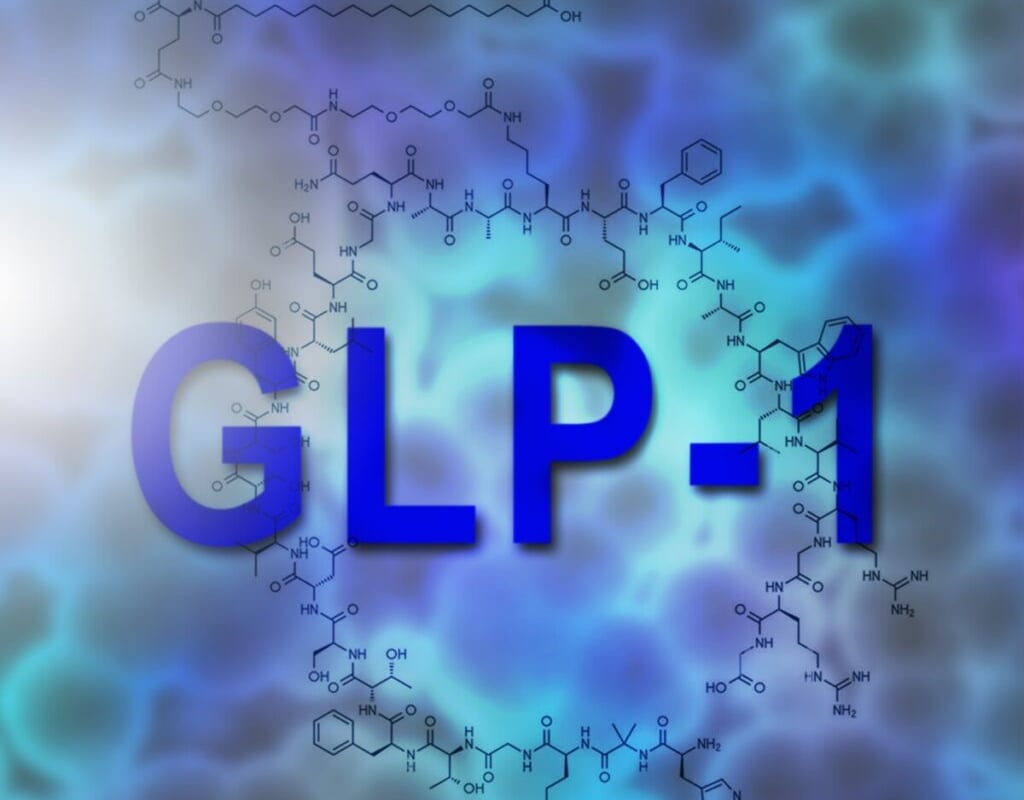
Medicare spent years refusing to pay for GLP-1 drugs prescribed only for weight loss. A new program called the GLP-1 Bridge changes that, although only partway and only for a limited time
What The Bridge Actually Offers
The Eligibility Line That Decides Your Price
You are not eligible for the Bridge if you already receive a GLP-1 through your regular Part D plan, and you are not eligible if you have type 2 diabetes, moderate to severe sleep apnea, or fatty liver disease. That sounds backward until you see the logic. Those conditions already open a different and often stronger door, because Medicare Part D has covered GLP-1s for years when they treat a recognized medical condition rather than weight alone
The result is a two-track system. On the first track, a qualifying diagnosis such as type 2 diabetes gets a drug like Ozempic covered through a normal Part D plan as diabetes treatment. On the second track, the Bridge catches people who lack one of those diagnoses and simply need help with weight. This also explains why Ozempic never appears on the Bridge list, since it is a diabetes drug that flows through the first track
The Copay Catch Worth Reading Twice
A $50 copay sounds simple, and the fine print is where it stops being simple. That $50 does not count toward your deductible, and it does not count toward your annual out-of-pocket maximum. The money you spend on a Bridge medication sits outside the rest of your drug spending math, so it does not help you reach the cap that would otherwise start protecting you on everything else
For most people that detail is a footnote, because $50 a month still crushes a $400 cash bill. For someone with a long list of prescriptions who was counting on every dollar to push them toward their out-of-pocket ceiling, the exclusion matters
What It Means For Your Money
The math is direct. Paying cash at $350 a month costs $4,200 a year, while the Bridge at $50 a month costs $600, a swing of roughly $3,600 back into your budget for as long as the demonstration runs and you remain eligible
If you qualify for the standard Part D route instead, your cost depends on your plan, and you also gain the 2026 change that caps total out-of-pocket drug spending at $2,100 for the year. Understanding which track fits you is worth real money before you assume the worst or, just as costly, assume Medicare still refuses to help at all
The Investor Angle Behind The Rollout
What Smart Enrollees Do Before 2027
Medicare moved from a flat refusal to a narrow yes, priced at $50, available to a specific group, and scheduled to close at the end of 2027. For the right person, the Bridge is a strong deal that should not be left on the table, and the smart move is to confirm which of the two coverage tracks applies before building a budget around a temporary price
For investors, the same demonstration that helps patients also feeds demand for Novo Nordisk and Eli Lilly while introducing pricing and duration risk that belongs in any thesis. None of this is investment advice, and anyone weighing these stocks or their own coverage should confirm the current details with CMS, their Part D plan, and their own research before acting
Benzinga Disclaimer: This article is from an unpaid external contributor. It does not represent Benzinga’s reporting and has not been edited for content or accuracy
Market News and Data brought to you by Benzinga APIs
To add Benzinga News as your preferred
