


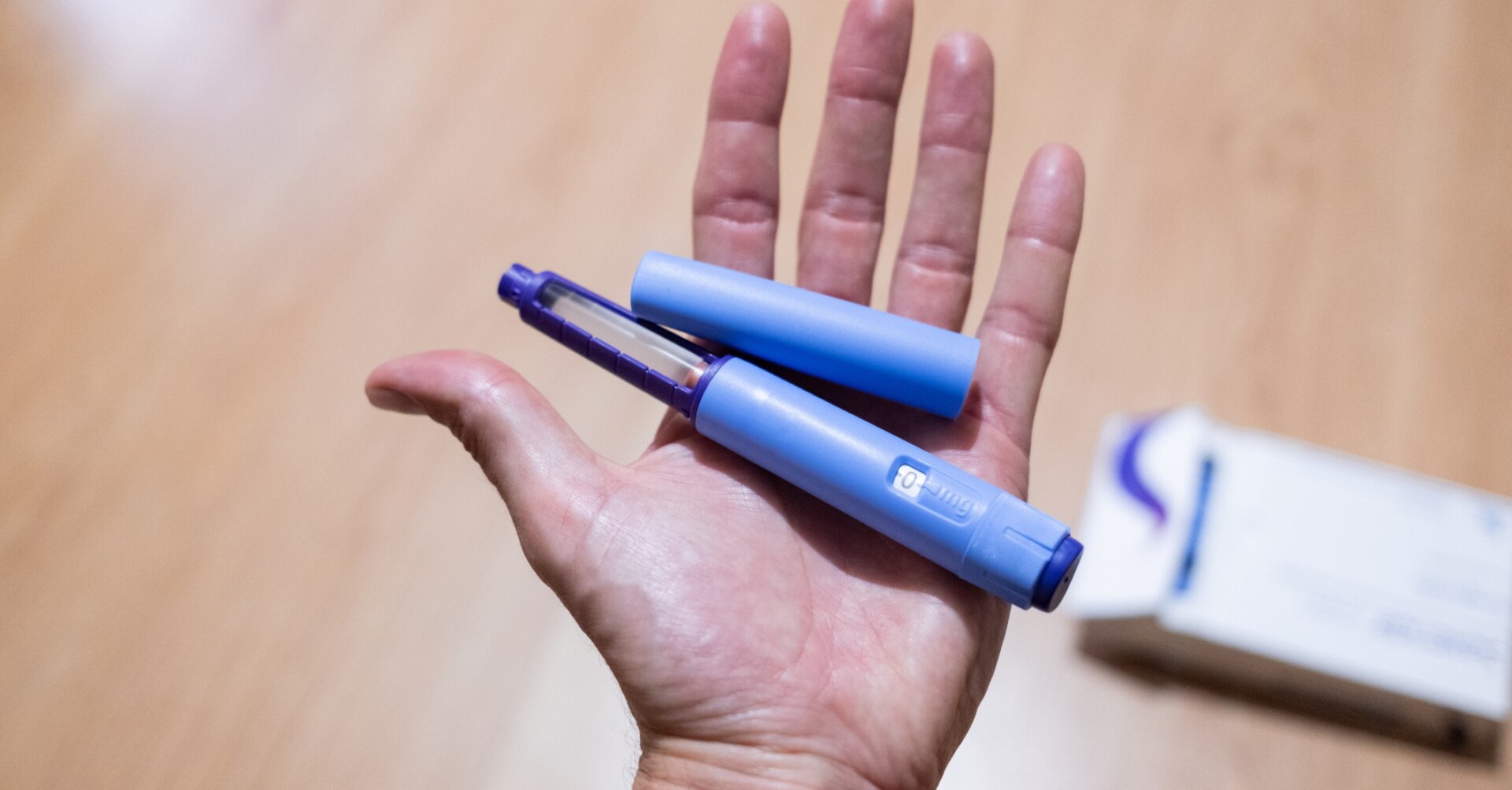
The Medicines and Healthcare products Regulatory Agency (MHRA) has responded to the continuing demand for GLP-1 weight loss medicines by issuing guidance on the various pitfalls that can potentially pose a risk to patients’ health
The MHRA stressed the importance of adherence to doctors’ orders when medicines such as semaglutide (Wegovy), tirzepatide (Mounjaro) and liraglutide (Saxenda) are prescribed, drawing attention to the dangers of patients being tempted to ‘fast-track’ weight loss by upping their dose
The regulator also emphasised that a healthy diet and a fitness regime should be recommended in conjunction with weight loss medicines
Diet changes also pose a potential risk since some foods can compromise medicines’ effectiveness
For example, patients taking simvastatin to lower their cholesterol should avoid grapefruit and grapefruit juice as they slow the rate the body breaks down the medicine, increasing the risk of serious side effects
Similarly, those considering intermittent fasting as part of their weight loss efforts should be aware that some medicines need to be taken with food to work most effectively and lower the risk of side effects
Metformin, used to treat diabetes, and the painkiller naproxen, for example, should both be taken with or after food to help prevent stomach upset
The MHRA also reiterated concerns about the risks posed by weight loss medicines sold
Related Article:
‘Buying from rogue sellers is a huge risk. You can’t be sure what’s in the product, and some fake medicines are contaminated with toxic substances,’ it said
The regulator emphasised that GLP-1 medicines authorised in the UK have only been shown to be safe and effective for people with a body mass index (BMI) of 27 or more
It also raised concern over ‘online hype’ surrounding retatrutide, which has not been authorised in the UK, meaning anyone selling it is doing so illegally
Related Article:
Andy Morling, head of the MHRA’s criminal enforcement unit, warned: ‘Rogue sellers are driven by profit, not your safety, and the fake medicines they sell could put your health at serious risk. These products may not contain the GLP-1 medicine you think you’re buying and could be contaminated with bacteria and other harmful substances.’
He added: ‘The simple rule for staying safe is that if you’re offered a GLP-1 medicine without the need for a prescription – walk away.’
