


- Related
- health
- Cyclospora
- fatal
By Grace Hayba, WRAL Health Reporter
Two deaths have been identified as part of the ongoing cyclosporiasis investigation impacting Michigan, according to the Michigan Department of Health and Human Services
On Monday, the state shared, “According to medical records, both individuals had significant underlying health conditions that may have been impacted by cyclosporiasis and dehydration.”
The patients’ names and ages were not immediately released to the public.
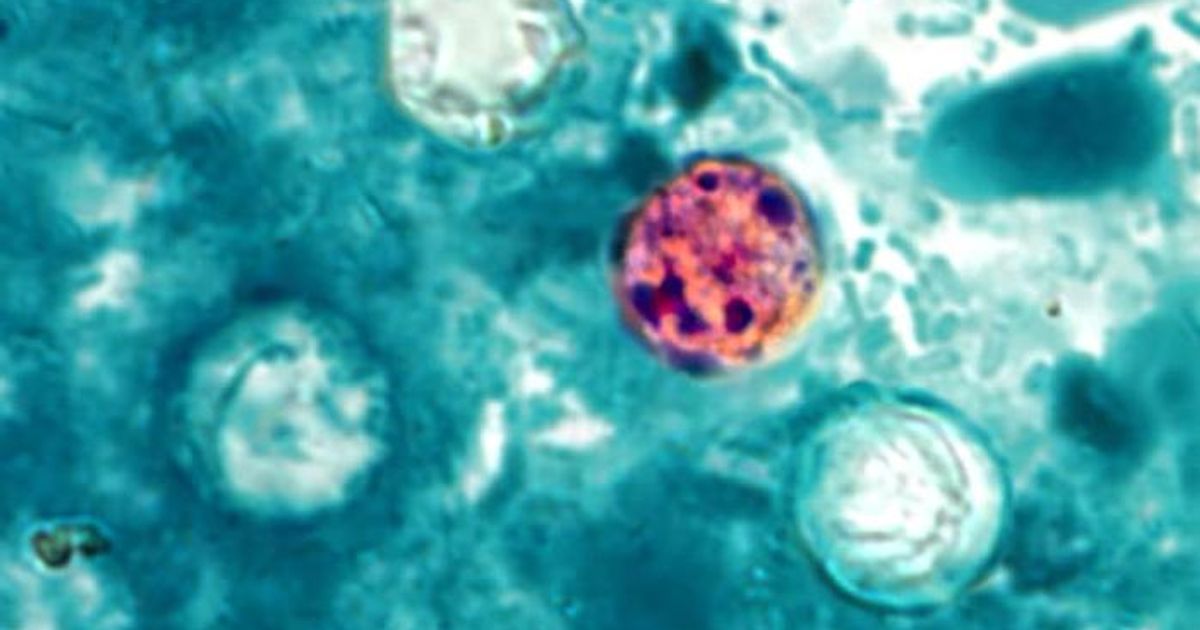
Cyclospora is a microscopic parasite that causes an intestinal illness called cyclosporiasis. It spreads when someone consumes food or water contaminated with human feces.
Deaths from cyclosporiasis are considered rare. As of the most recent data available on Monday, August 3, 2026, 423 hospitalizations have been reported across the country.
Cases have been reported in all 50 states during the summer of 2026, with 1,947 cases in 9 states being tied to a multistate outbreak involving iceberg lettuce.
North Carolina has seen at least 718 cases and 24 hospitalizations. Wake County has the most infections in the state to date, with 473 cases including 12 hospitalizations.
For most people, a Cyclospora infection is not life-threatening and remains uncommon. People with weakened immune systems, older adults and others who are more vulnerable to dehydration may be at greater risk for severe illness.
In the U.S., cases have been reported in children as young as 1 and adults as old as 98, according to the Centers for Disease Control and Prevention.
Cyclospora requires a stool sample for laboratory diagnosis.
Symptoms typically begin about one week after consuming contaminated food or water, but they can appear anywhere from two to 14 days later, or longer
The most common symptom is frequent, watery diarrhea, which is often described as severe or explosive
Other symptoms may include:• Severe abdominal cramping• Bloating and increased gas• Loss of appetite• Nausea• Body aches• Fatigue
North Carolina health officials recommend contacting a doctor if diarrhea lasts more than a few days, or sooner if you develop signs of dehydration or have underlying medical conditions.
