


DPH: More ‘explosive diarrhea’ cases reported in SC; still not connected to national outbreak
Advertisement
<img src="https://healthylife7.com/wp-content/uploads/2026/08/wyff.png” alt=”WYFF 4 branding logo”>
Updated: 3:35 PM EDT Aug 3, 2026Editorial Standards ⓘ
Stephanie Moore
Digital Content Manager
DPH: More ‘explosive diarrhea’ cases reported in SC; still not connected to national outbreak
Updated: 3:35 PM EDT Aug 3, 2026Editorial Standards ⓘ
Stephanie Moore
Digital Content Manager
GREENVILLE, S.C. —
On Monday, health officials reported the first two deaths in the United States associated with the outbreak of cyclosporiasis
The deaths were reported in Michigan and according to medical records, both individuals had significant underlying health conditions that may have been impacted by cyclosporiasis and dehydration. You can read more on those deaths here
Advertisement
We checked in on cases in South Carolina on Monday
The South Carolina Department of Public Health has reported 37 confirmed cases of cyclosporiasis for the month of July. That is up from five cases in June and one case in January, for a total of 43 confirmed cases in the state this year
Of those cases above, 18 were reported in the Upstate, 6 in the Midlands, 10 in the Pee Dee and 9 in the Lowcountry
Health officials in South Carolina say “the features of the South Carolina cases have not matched up with the outbreak cases through exposure or laboratory data.”
On Monday, health officials told WYFF News 4 if that changes they will update the information here
Health officials update the number of cases each Wednesday at 10 a.m. and post them here
The department also offers this information:
What to Know
How people should protect themselves
- Thoroughly wash all fruits and vegetables before eating, running them under water and scrubbing firm produce
- Wash fruits and vegetables before peeling
- Cook all foods to a safe temperature
- More tips can be found on the FDA’s Cyclospora webpage
What symptoms to watch for
- Watery diarrhea
- Loss of appetite
- Weight loss
- Cramping
- Bloating
- Increased gas
- Nausea
- Fatigue
Should people change the way they shop/prepare food?
There is no need to change how you shop, but be sure to thoroughly wash any food you will not be cooking, even if you are going to peel it. Cook and store food
What is Cyclosporiasis?
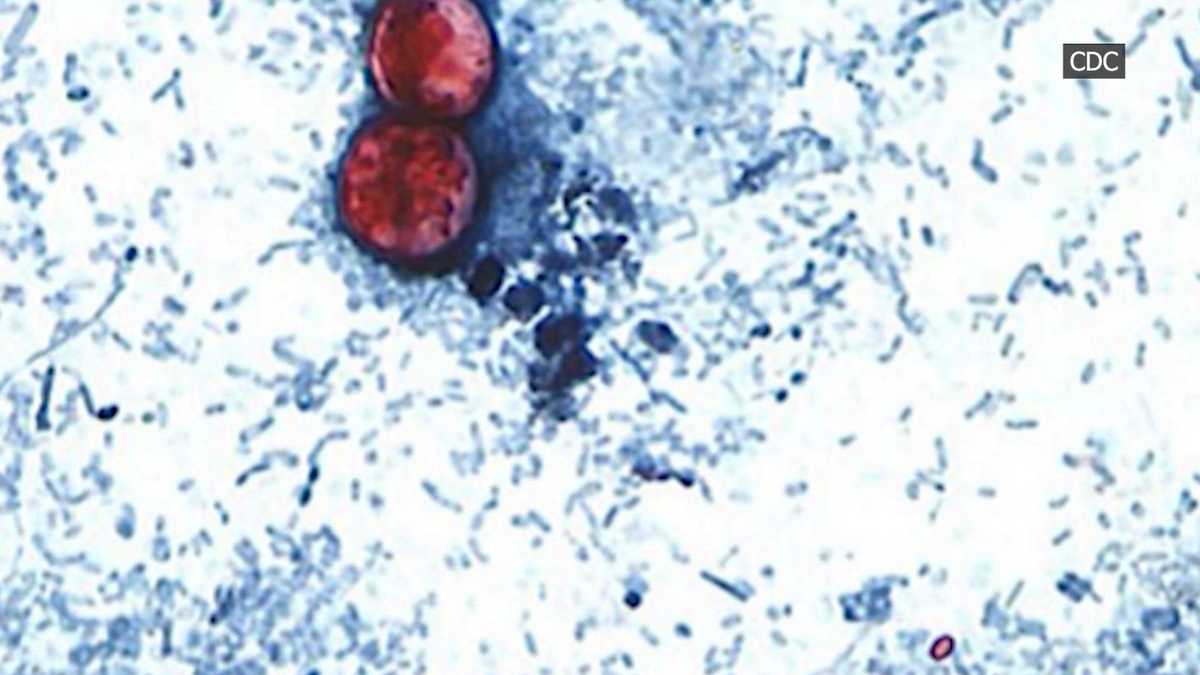
Cyclosporiasis is a diarrheal illness caused by the protozoan parasite, Cyclospora cayetanensis, also known as Cyclospora. Cyclospora is a single-celled organism that is too small to be seen without a microscope
What are the symptoms?
Cyclosporiasis is not generally thought to be life-threatening. The parasite usually causes watery diarrhea with frequent (and sometimes explosive) bowel movements. Other symptoms can include loss of appetite, loss of weight, bloating, increased gas, stomach cramps, nausea, vomiting, muscle aches, low-grade fever, and fatigue. The incubation period, or the time between being infected and becoming sick, is usually about 1 week. Some individuals who are infected with Cyclospora may not exhibit any symptoms.
How is Cyclospora treated?
If you are experiencing symptoms of a Cyclospora infection, please consult with your health care provider. While trimethoprim/sulfamethoxazole (a sulfa drug sold under the trade names Bactrim*, Septra*, and Cotrim*) is generally recognized as the usual therapy for Cyclospora infection, your health care provider should be able to assist in determining the best therapy for you. Don’t forget to inform your health care provider if you are allergic to sulfa drugs so you can discuss other potential options. Additionally, anti-diarrheal drugs may help reduce diarrhea, but a health care provider should also be consulted before such medicine is taken.
Most people who have healthy immune systems will recover without treatment. However, if not treated, the illness may last anywhere from a few days to a month or longer. In addition, symptoms may seem to go away only to return one or more times (relapse). People who are in poor health or who have weakened immune systems may be at higher risk for severe or prolonged illness
How do people catch this disease?
Cyclospora is spread by people drinking water or eating food that was contaminated with infected stool. For example, outbreaks of cyclosporiasis have been linked to various types of fresh produce. Cyclospora requires at least 1 to 2 weeks in the environment (outside the body) to become infectious after being passed in a bowel movement. As a result, direct person-to-person transmission is unlikely. Additionally, it is not known if animals can be infected and spread infection to people. It has become an increasingly recognized cause of persistent diarrhea in both U.S. residents and returning travelers.
What can be done to stop the spread of this disease?
- Wash your hands before and after handling food.
- Wash all fruits and vegetables before eating.
- Avoid water or food that may be contaminated with stool.
- If you are traveling to areas where cyclosporiasis is endemic (such as tropical and subtropical regions), it’s important to know that standard chemical disinfection, or sanitization of food or water, is unlikely to eliminate the risk of Cyclospora.
References and Additional Information
Make WYFF4 a preferred source on Google
Add Preferred Source
