


Abstract
Background
While genetic studies have identified hundreds of loci associated with adiposity, the phenotypic expression of this individual genetic risk is not fixed but dependent on environmental circumstances. Socioeconomic Position (SEP), which includes education, income, and area-level deprivation, serves as an important environmental modulator of genetic liability. However, the literature on Gene-Environment (G×E) interactions remains fragmented, particularly regarding how these evolve across the life course.
Provide a comprehensive overview of available literature on how SEP factors relate to the effects of polygenic risk scores (PRS), genetic susceptibility, and epigenetic mechanisms in obesity
Methods
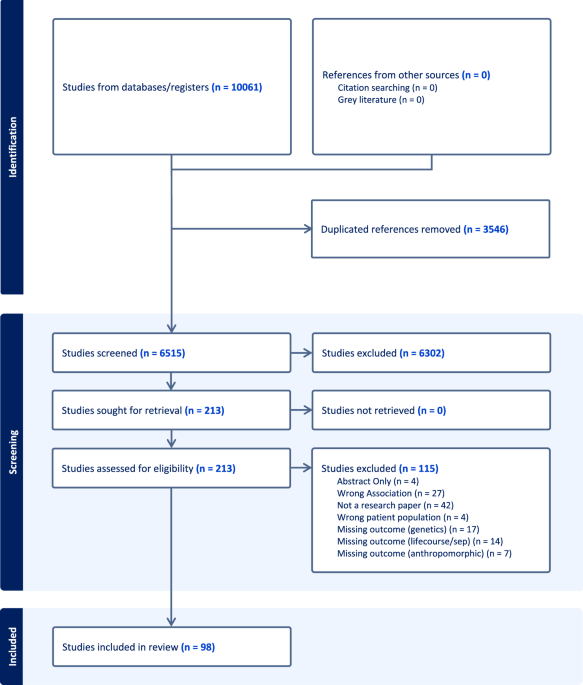
Following PRISMA guidelines, we searched five databases for human studies examining SEP, genetic or epigenetic markers, life course, and adiposity-related outcomes. In total, we synthesized 98 studies (79 genetic, 21 epigenetic, including two papers contributing to both domains) and assessed risk of bias using QUIPS
Results
Lower SEP, particularly lower educational attainment and greater area-level deprivation, was often associated with stronger genetic susceptibility to obesity, although findings differed by SEP component, life stage, PRS construction, outcome definition, ancestry, and analytical framework. Among the 29 studies formally testing genetic susceptibility-by-SEP interactions, PRS-size patterns were descriptive rather than indicating a clear hierarchy: large PRS produced the greatest number of formal interaction findings, while medium PRS showed a high proportion of significant findings in fewer and less comparable studies. Epigenetic analyses identified DNA methylation at stress-related and metabolic loci as a potential pathway linking socioeconomic disadvantage to obesity, though tissue specificity and causal direction remain limiting factors.
Conclusion
Lower educational attainment and socioeconomic deprivation appear to amplify genetic susceptibility to obesity, although evidence remains heterogeneous in PRS construction, SEP operationalization, outcome definition, ancestry, and analytical framework. Emerging evidence suggests educational attainment and early-life socioeconomic conditions may represent modifiable contexts influencing genetic obesity risk across the life course
This is a preview of subscription content, access
Access options
Access through your institution
Buy this article
- Purchase on SpringerLink
- Instant access to the full article PDF.
39,95 €
Prices may be subject to local taxes which are calculated during checkout
Subjects
- Genetics
- Obesity
- Risk factors
References
Collaboration, N. C. D. R. F. Worldwide trends in body-mass index, underweight, overweight, and obesity from 1975 to 2016: a pooled analysis of 2416 population-based measurement studies in 128.9 million children, adolescents, and adults. The Lancet. 2017;390:2627–42. https://doi.org/10.1016/s0140-6736(17)32129-3
World Health Organization. Obesity and overweight (Fact sheet), https://www.who.int/news-room/fact-sheets/detail/obesity-and-overweight (2024)
Lobstein T, Jackson-Leach R, Powis J, Brinsden H, Gray M. World Obesity Atlas 2023. London: World ObesityFederation; 2023. Available at: https://www.worldobesity.org/re
Jansen PR, van den Akker, ELT. The utility of obesity polygenic risk scores from research to clinical practice: a review. Obes Rev. 2024. https://doi.org/10.1111/obr.13689
Loos RJF, Yeo GSH. The genetics of obesity: from discovery to biology. Nat Rev Genet. 2022;23:120–33. https://doi.org/10.1038/s41576-021-00414-z
Elks CE, den Hoed M, Zhao JH, Sharp SJ, Wareham NJ, Loos RJ, et al. Variability in the heritability of body mass index: a systematic review and meta-regression. Front Endocrinol. 2012;3:29. https://doi.org/10.3389/fendo.2012.00029
Khera AV, Chaffin M, Wade KH, Zahid S, Brancale J, Xia R, et al. Polygenic prediction of weight and obesity trajectories from birth to adulthood. Cell. 2019;178:816–27. https://doi.org/10.1016/j.cell.2019.07.025
Smit RAJ, Wade KH, Hui Q, Arias JD, Yin X, Christiansen MR, et al. Polygenic prediction of body mass index and obesity through the life course and across ancestries. Nat Med. 2025;31:3151–68. https://doi.org/10.1038/s41591-025-03827-z
McLaren L. Socioeconomic status and obesity. Epidemiol Rev. 2007;29:29–48. https://doi.org/10.1093/epirev/mxm001
Autret K, Bekelman TA. Socioeconomic status and obesity. J Endocr Soc. 2024;8:bvae176. https://doi.org/10.1210/jendso/bvae176
Hao Z, Wang M, Zhu Q, Li J, Liu Z, Yuan L, et al. Association between socioeconomic status and prevalence of cardio-metabolic risk factors: a cross-sectional study on residents in North China. Front Cardiovasc Med. 2022;9. https://doi.org/10.3389/fcvm.2022.698895
Reddon H, Gueant JL, Meyre D. The importance of gene-environment interactions in human obesity. Clin Sci (Lond). 2016;130:1571–97. https://doi.org/10.1042/CS20160221
Rask-Andersen M, Karlsson T, Ek WE, Johansson A. Gene-environment interaction study for BMI reveals interactions between genetic factors and physical activity, alcohol consumption and socioeconomic status. PLoS Genet. 2017;13:e1006977. https://doi.org/10.1371/journal.pgen.1006977
Tyrrell J, Wood AR, Ames RM, Yaghootkar H, Beaumont RN, Jones SE, et al. Gene-obesogenic environment interactions in the UK Biobank study. Int J Epidemiol. 2017;46:559–75. https://doi.org/10.1093/ije/dyw337
Mason KE, Palla L, Pearce N, Phelan J, Cummins S. Genetic risk of obesity as a modifier of associations between neighbourhood environment and body mass index: an observational study of 335 046 UK Biobank participants. BMJ Nutr Prev Health. 2020;3:247–55. https://doi.org/10.1136/bmjnph-2020-000107
Thaker VV, American Academy of Pediatrics Section on Adolescent Health Genetic and epigenetic causes of obesity. Adolesc Med State Art Rev. 2017;28:379–405. https://doi.org/10.1542/9781581109405-genetic
Page MJ, McKenzie JE, Bossuyt PM, Boutron I, Hoffmann TC, Mulrow CD, et al. The PRISMA 2020 statement: an updated guideline for reporting systematic reviews. BMJ. 2021;372. https://doi.org/10.1136/bmj.n71
Rethlefsen ML, Kirtley S, Waffenschmidt S, Ayala AP, Moher D, Page MJ, et al. PRISMA-S: an extension to the PRISMA statement for reporting literature searches in systematic reviews. Syst Rev. 2021;10. https://doi.org/10.1186/s13643-020-01542-z
van de Schoot R, de Bruin J, Schram R, Zahedi P, de Boer J, Weijdema F, et al. ASReview: active learning for systematic reviews. Version 1.6.3 [computer software]. Zenodo; 2021. https://doi.org/10.5281/zenodo.334559221
Rossen S, Hurlen I, Hjeij L, van de Schoot R. The SAFE procedure: a practical stopping heuristic for active learning-based screening in systematic reviews and meta-analyses. Syst Rev. 2023;12:137. https://doi.org/10.1186/s13643-024-02502-7
Covidence systematic review software [computer software]. Melbourne: Veritas Health Innovation; 2024. Available at: https://www.covidence.org
Hayden JA, van der Windt DA, Cartwright JL, Côté P, Hurwitz SR. Assessing risk of bias in prognostic studies. Ann Intern Med. 2013;158:280–6. https://doi.org/10.7326/0003-4819-158-4-201302190-00009
Frank M, Dragano N, Arendt M, Forstner AJ, Nothen MM, Moebus S, et al. A genetic sum score of risk alleles associated with body mass index interacts with socioeconomic position in the Heinz Nixdorf Recall Study. PLoS ONE. 2019;14:e0221252. https://doi.org/10.1371/journal.pone.0221252
Dinescu D, Horn EE, Duncan G, Turkheimer E. Socioeconomic modifiers of genetic and environmental influences on body mass index in adult twins. Health Psychol. 2016;35:157–66. https://doi.org/10.1037/hea0000255
Sun Y, Fang J, Wan Y, Hu J, Xu Y, Tao F. Polygenic differential susceptibility to cumulative stress exposure and childhood obesity. Int J Obes. 2018;42:1177–84. https://doi.org/10.1038/s41366-018-0116-z
Schmitz LL, Goodwin J, Miao J, Lu Q, Conley D. The impact of late-career job loss and genetic risk on body mass index: Evidence from variance polygenic scores. Sci Rep. 2021;11:7647. https://doi.org/10.1038/s41598-021-86716-y
Johnson R, Sotoudeh R, Conley D. Polygenic scores for plasticity: a new tool for studying gene-environment interplay. Demography. 2022;59:1045–70. https://doi.org/10.1215/00703370-9957418
Pehkonen J, Viinikainen J, Bockerman P, Lehtimaki T, Pitkanen N, Raitakari O. Genetic endowments, parental re Sci Med. 2017;188:191–200. https://doi.org/10.1016/j.socscimed.2017.04.030
Kim R, Lippert AM, Wedow R, Jimenez MP, Subramanian SV. The relative contributions of socioeconomic and genetic factors to variations in body mass index among young adults. Am J Epidemiol. 2020;189:1333–41. https://doi.org/10.1093/aje/kwaa058
Meir AY, Huang W, Cao T, Hong X, Wang G, Pearson C, et al. Umbilical cord DNA methylation is associated with body mass index trajectories from birth to adolescence. EBioMedicine. 2023;91:104550. https://doi.org/10.1016/j.ebiom.2023.104550
Gonzalez-Nahm S, Mendez MA, Benjamin-Neelon SE, Murphy SK, Hogan VK, Rowley DL, et al. DNA methylation of imprinted genes at birth is associated with child weight status at birth, 1 year, and 3 years. Clin Epigenetics. 2018;10:90. https://doi.org/10.1186/s13148-018-0521-0
Zhou YJ, Wang WW, Hu T, Tong TJ, Liu ZH. Causal mediation analysis for an ordinal outcome with multiple mediators. Struct Equ Model. 2024;31:205–16. https://doi.org/10.1080/10705511.2022.2148674
de Roo M, Hartman C, Veenstra R, Nolte IM, Meier K, Vrijen C, et al. Gene-environment interplay in the development of overweight. J Adolesc Health. 2023;73:574–81. https://doi.org/10.1016/j.jadohealth.2023.04.028
Coleman JRI, Krapohl E, Eley TC, Breen G. Individual and shared effects of social environment and polygenic risk scores on adolescent body mass index. Sci Rep. 2018;8:6344. https://doi.org/10.1038/s41598-018-24774-5
Huls A, Wright MN, Bogl LH, Kaprio J, Lissner L, Molnar D, et al. Polygenic risk for obesity and its interaction with lifestyle and sociodemographic factors in European children and adolescents. Int J Obes. 2021;45:1321–30. https://doi.org/10.1038/s41366-021-00795-5
Silventoinen K, Jelenkovic A, Latvala A, Yokoyama Y, Sund R, Sugawara M, et al. Parental education and genetics of BMI from infancy to old age: a pooled analysis of 29 twin cohorts. Obesity. 2019;27:855–65. https://doi.org/10.1002/oby.22451
Nair JM, Chauhan G, Prasad G, Bandesh K, Giri AK, Chakraborty S, et al. Mapping the landscape of childhood obesity: genomic insights and socioeconomic status in Indian school-going children. Obesity. 2025;33:754–65. https://doi.org/10.1002/oby.24248
Wickrama KAS, Wickrama T, Bae D, Merten M. Early socioeconomic adversity and young adult diabetic risk: an investigation of genetically informed biopsychosocial processes over the life course. Biodemogr Soc Biol. 2022;67:203–23. https://doi.org/10.1080/19485565.2022.2161463
Ghirardi G. The development of body mass index from adolescence to adulthood: A genotype-family socioeconomic status interaction study. Soc Sci Med. 2025;384 https://doi.org/10.1016/j.socscimed.2025.118539
Barcellos SH, Carvalho LS, Turley P. Education can reduce health differences related to genetic risk of obesity. Proc Natl Acad Sci USA. 2018;115:E9765–E9772. https://doi.org/10.1073/pnas.1802909115
Nagpal S, Tandon R, Gibson G. Canalization of the polygenic risk for common diseases and traits in the UK Biobank Cohort. Mol Biol Evol. 2022;39. https://doi.org/10.1093/molbev/msac053
Cromer SJ, Lakhani CM, Mercader JM, Majarian TD, Schroeder P, Cole JB, et al. Association and interaction of genetics and area-level socioeconomic factors on the prevalence of type 2 diabetes and obesity. Diabetes Care. 2023;46:944–52. https://doi.org/10.2337/dc22-1954
Chikowore T, Lall K, Micklesfield LK, Lombard Z, Goedecke JH, Fatumo S, et al. Variability of polygenic prediction for body mass index in Africa. Genome Med. 2024;16:74. https://doi.org/10.1186/s13073-024-01348-x
Lin L, Zhao W, Li Z, Ratliff SM, Wang YZ, Mitchell C, et al. Poly-epigenetic scores for cardiometabolic risk factors interact with demographic factors and health behaviors in older US Adults. Epigenetics. 2025;20:2469205. https://doi.org/10.1080/15592294.2025.2469205
Silventoinen K, Lahtinen H, Kilpi F, Morris TT, Davey Smith G, Martikainen P. Socio-economic differences in body mass index: the contribution of genetic factors. Int J Obes. 2024;48:741–5. https://doi.org/10.1038/s41366-024-01459-w
Bann D, Wright L, Hardy R, Williams DM, Davies NM. Polygenic and socioeconomic risk for high body mass index: 69 years of follow-up across life. PLoS Genet. 2022;18:e1010233. https://doi.org/10.1371/journal.pgen.1010233
Kerr JA, Dumuid D, Downes M, Lange K, O’Connor M, Stanford T, et al. Socioeconomic disadvantage and polygenic risk of overweight in early and mid-life: a longitudinal population cohort study spanning 12 years. Lancet Reg Health West Pac. 2024;53:101231. https://doi.org/10.1016/j.lanwpc.2024.101231
Komulainen K, Pulkki-Raback L, Jokela M, Lyytikainen LP, Pitkanen N, Laitinen T, et al. Education as a moderator of genetic risk for higher body mass index: prospective cohort study from childhood to adulthood. Int J Obes. 2018;42:866–71. https://doi.org/10.1038/ijo.2017.174
Wardle J, Carnell S, Haworth CMA, Plomin R. Evidence for a strong genetic influence on childhood adiposity despite the force of the obesogenic environment. Am J Clin Nutr. 2008;87:398–404. https://doi.org/10.1093/ajcn/87.2.398
Haworth CM, Carnell S, Meaburn EL, Davis OS, Plomin R, Wardle J. Increasing heritability of BMI and stronger associations with the FTO gene over childhood. Obesity. 2008;16:2663–8. https://doi.org/10.1038/oby.2008.434
Bates TC, Lewis GJ, Weiss A. Childhood socioeconomic status amplifies genetic effects on adult intelligence. Psychol Sci. 2013;24:2111–6. https://doi.org/10.1177/0956797613488394
Sutin AR, Stephan Y, Terracciano A. Parental educational attainment and offspring subjective well-being and self-beliefs in older adulthood. Pers Individ Dif. 2018;128:139–45. https://doi.org/10.1016/j.paid.2018.01.023
Hoffmann K, De Gelder R, Hu Y, Bopp M, Vitrai J, Lahelma E, et al. Trends in educational inequalities in obesity in 15 European countries between 1990 and 2010. Int J Behav Nutr Phys Act. 2017;14:63. https://doi.org/10.1186/s12966-017-0517-8
Pampel FC, Denney JT, Krueger PM. Obesity, SES, and economic development: a test of the reversal hypothesis. Soc Sci Med. 2012;74:1073–81. https://doi.org/10.1016/j.socscimed.2011.12.028
Gauderman WJ, Fu Y, Queme B, Kawaguchi E, Wang Y, Morrison J, et al. Pathway polygenic risk scores (pPRS) for the analysis of gene-environment interaction. PLoS Genet. 2025;21:e1011543. https://doi.org/10.1371/journal.pgen.1011543
Wahl S, Drong A, Lehne B, Loh M, Scott WR, Kunze S, et al. Epigenome-wide association study of body mass index, and the adverse outcomes of adiposity. Nature. 2017;541:81–86. https://doi.org/10.1038/nature20784
Janjanam VD, Ewart S, Zhang H, Jiang Y, Arshad H, Ziyab AH, et al. Offspring epigenetic markers at birth related to gestational BMI predict offspring BMI-trajectories from infancy to 26byears. Obes Sci Pract. 2023;9:424–34. https://doi.org/10.1002/osp4.660
Durvasula A, Price AL. Distinct explanations underlie gene-environment interactions in the UK Biobank. Am J Hum Genet. 2025;112:644–58. https://doi.org/10.1016/j.ajhg.2025.01.014
Helmer D, Savoie I, Green C, Kazanjian A. Evidence-based practice: extending the search to find material for the systematic review. Bull Med Libr Assoc. 2001;89:346–52
Fry A, Littlejohns TJ, Sudlow C, Doherty N, Adamska L, Sprosen T, et al. Comparison of sociodemographic and health-related characteristics of UK Biobank participants with those of the general population. Am J Epidemiol. 2017;186:1026–34. https://doi.org/10.1093/aje/kwx246
Schoeler T, Speed D, Porcu E, Pirastu N, Pingault JB, Kutalik Z. Participation bias in the UK Biobank distorts genetic associations and downstream analyses. Nat Hum Behav. 2023;7:1216–27. https://doi.org/10.1038/s41562-023-01579-9
Rzehak P, Covic M, Saffery R, Reischl E, Wahl S, Grote V, et al. DNA-methylation and body composition in preschool children: epigenome-wide-analysis in the European childhood obesity project (CHOP)-study. Sci Rep. 2017;7:14349. https://doi.org/10.1038/s41598-017-13099-4
Loucks EB, Huang YT, Agha G, Chu S, Eaton CB, Gilman SE, et al. Epigenetic mediators between childhood socioeconomic disadvantage and mid-life body mass index: the New England Family Study. Psychosom Med. 2016;78:1053–1065. https://doi.org/10.1097/PSY.0000000000000411
Chu SH, Loucks EB, Kelsey KT, Gilman SE, Agha G, Eaton CB, et al. Sex-specific epigenetic mediators between early life social disadvantage and adulthood BMI. Epigenomics. 2018;10:707–722. https://doi.org/10.2217/epi-2017-0146
Sanz-de-Galdeano A, Terskaya A, Upegui A. Association of a genetic risk score with BMI along the life-cycle: evidence from several US cohorts. PLoS ONE. 2020;15:e0239067 https://doi.org/10.1371/journal.pone.0239067
Goulet D, Boivin M, Gravel C, Little J, Ouellet-Morin I, Gouin JP, et al. Polygenic scores of obesity in childhood based on summary statistics from adults versus children. Can J Physiol Pharmacol. 2025;103:225–235. https://doi.org/10.1139/cjpp-2024-0221
Selzam S, Ritchie SJ, Pingault JB, Reynolds CA, O’Reilly PF, Plomin R. CompAring Within- And Between-family Polygenic Score Prediction. Am J Hum Genet. 2019;105:351–63. https://doi.org/10.1016/j.ajhg.2019.06.006
Riedel C, von Kries R, Fenske N, Strauch K, Ness AR, Beyerlein A. Interactions of genetic and environmental riskfactors with respect to body fat mass in children: results from the ALSPAC study. Obesity. 2013;21:1238–1242. https://doi.org/10.1002/oby.20196
Juonala M, Juhola J, Magnussen CG, Wurtz P, Viikari JS, Thomson R, et al. Childhood environmental and genetic predictors of adulthood obesity: the cardiovascular risk in young Finns study. J Clin Endocrinol Metab. 2011;96:E1542–1549. https://doi.org/10.1210/jc.2011-1243
Seyednasrollah F, Mäkelä J, Pitkänen N, Juonala M, Hutri-Kähönen N, Lehtimäki T, et al. Prediction of adulthood obesity using genetic and childhood clinical risk factors in the cardiovascular risk in Young Finns Study. Circ Cardiovasc Genet. 2017;10:e001554 https://doi.org/10.1161/CIRCGENETICS.116.001554
Hughes A, Wade KH, Dickson M, Rice F, Davies A, Davies NM, et al. Common health conditions in childhood and adolescence, school absence, and educational attainment: Mendelian randomization study. NPJ Sci Learn. 2021;6:1 https://doi.org/10.1038/s41539-020-00080-6
Fang J, Gong C, Wan Y, Xu Y, Tao F, Sun Y. Polygenic risk, adherence to a healthy lifestyle, and childhood obesity. Pediatr Obes. 2019;14:e12489 https://doi.org/10.1111/ijpo.12489
Downie CG, Shrestha P, Okello S, Yaser M, Lee HH, Wang Y, et al. Trans-ancestry genome-wide association study of childhood body mass index identifies novel loci and age-specific effects. HGG Adv. 2025;6:100411 https://doi.org/10.1016/j.xhgg.2025.100411
Bulik-Sullivan B, Finucane HK, Anttila V, Gusev A, Day FR, Loh PR, et al. An atlas of genetic correlations across human diseases and traits. Nat Genet. 2015;47:1236–1241. https://doi.org/10.1038/ng.3406
Peters T, Nüllig L, Antel J, Naaresh R, Laabs BH, Tegeler L, et al. The role of genetic variation of BMI, body composition, and fat distribution for mental traits and disorders: a look-up and Mendelian randomization study. Front Genet. 2020;11:373 https://doi.org/10.3389/fgene.2020.00373
Liao LZ, Chen ZC, Li WD, Zhuang XD, Liao XX. Causal effect of education on type 2 diabetes: a network Mendelian randomization study. World J Diabetes. 2021;12:261–277. https://doi.org/10.4239/wjd.v12.i3.261
Boardman JD, Domingue BW, Blalock CL, Haberstick BC, Harris KM, McQueen MB. Is the gene-environment interaction paradigm relevant to genome-wide studies? The case of education and body mass index. Demography. 2014;51:119–139. https://doi.org/10.1007/s13524-013-0259-4
Liu SY, Walter S, Marden J, Rehkopf DH, Kubzansky LD, Nguyen T, et al. Genetic vulnerability to diabetes and obesity: does education offset the risk? Soc Sci Med. 2015;127:150–158. https://doi.org/10.1016/j.socscimed.2014.09.009
Amin V, Böckerman P, Viinikainen J, Smart MC, Bao Y, Kumari M, et al. Gene-environment interactions between education and body mass: evidence from the UK and Finland. Soc Sci Med. 2017;195:12–16. https://doi.org/10.1016/j.socscimed.2017.10.027
van Kippersluis H, Rietveld CA. Pleiotropy-robust Mendelian randomization. Int J Epidemiol. 2018;47:1279–1288. https://doi.org/10.1093/ije/dyx002
Amin V, Dunn P, Spector T. Does education attenuate the genetic risk of obesity? Evidence from U.K. twins. Econ Hum Biol. 2018;31:200–208. https://doi.org/10.1016/j.ehb.2018.08.011
Carter AR, Gill D, Davies NM, Taylor AE, Tillmann T, Vaucher J, et al. Understanding the consequences of education inequality on cardiovascular disease: Mendelian randomisation study. BMJ. 2019;365:l1855 https://doi.org/10.1136/bmj.l1855
Cao M, Cui B. Association of educational attainment with adiposity, type 2 diabetes, and coronary artery diseases: a Mendelian randomization study. Front Public Health. 2020;8:112 https://doi.org/10.3389/fpubh.2020.00112
Pingault JB, Rijsdijk F, Schoeler T, Choi SW, Selzam S, Krapohl E, et al. Genetic sensitivity analysis: adjusting for genetic confounding in epidemiological associations. PLoS Genet. 2021;17:e1009590 https://doi.org/10.1371/journal.pgen.1009590
Wang Z, Davey Smith G, Loos RJF, den Hoed M. Distilling causality between physical activity traits and obesityorg/10.1038/s43856-023-00407-5
Huangfu YY, Palloni A, Beltrán-Sánchez H, McEniry MC. Gene-environment interactions and the case of body mass index and obesity: how much do they matter? PNAS Nexus. 2023;2:pgad213 https://doi.org/10.1093/pnasnexus/pgad213
Howe LJ, Rasheed H, Jones PR, Boomsma DI, Evans DM, Giannelis A, et al. Educational attainment, health outcomes and mortality: a within-sibship Mendelian randomization study. Int J Epidemiol. 2023;52:1579–1591. https://doi.org/10.1093/ije/dyad079
Rogne T, Gill D, Liew Z, Shi X, Stensrud VH, Nilsen TIL, et al. Mediating factors in the association of maternal educational level with pregnancy outcomes: a Mendelian randomization study. JAMA Netw Open. 2024;7:e2351166 https://doi.org/10.1001/jamanetworkopen.2023.51166
Ramadan FA, Bea JW, Garcia DO, Ellingson KD, Canales RA, Raichlen DA, et al. Association of sedentary and physical activity behaviours with body composition: a genome-wide association and Mendelian randomisation study. BMJ Open Sport Exerc Med. 2022;8:e001291 https://doi.org/10.1136/bmjsem-2021-001291
Dashti HS, Miranda N, Cade BE, Huang T, Redline S, Karlson EW, et al. Interaction of obesity polygenic score with lifestyle risk factors in an electronic health record biobank. BMC Med. 2022;20:5 https://doi.org/10.1186/s12916-021-02198-9
Rietveld CA, de Vlaming R, Slob EAW. The identification of mediating effects using genome-based restricted maximum likelihood estimation. PLoS Genet. 2023;19:e1010638 https://doi.org/10.1371/journal.pgen.1010638
Hu MJ, Yang T, Yang YJ. Causal associations of education level with cardiovascular diseases, cardiovascular biomarkers, and socioeconomic factors. Am J Cardiol. 2024;213:76–85. https://doi.org/10.1016/j.amjcard.2023.06.044
Cuevas AG, Mann FD, Krueger RF. Discrimination exposure and polygenic risk for obesity in adulthood: testing gene-environment correlations and interactions. Lifestyle Genom. 2023;16:90–97. https://doi.org/10.1159/000529527
Hebebrand J, Peters T, Schijven D, Hebebrand M, Grasemann C, Winkler TW, et al. The role of genetic variation of human metabolism for BMI, mental traits and mental disorders. Mol Metab. 2018;12:1–11. https://doi.org/10.1016/j.molmet.2018.03.015
Howe LJ, Nivard MG, Morris TT, Hansen AF, Rasheed H, Cho Y, et al. Within-sibship genome-wide association analyses decrease bias in estimates of direct genetic effects. Nat Genet. 2022;54:581–592. https://doi.org/10.1038/s41588-022-01062-7
Jung HU, Lee WJ, Ha TW, Kang JO, Kim J, Kim MK, et al. Identification of genetic loci affecting body mass index through interaction with multiple environmental factors using structured linear mixed model. Sci Rep. 2021;11:5001 https://doi.org/10.1038/s41598-021-83684-1
Kroll C, Farias DR, Carrilho TRB, Kac G, Mastroeni MF. Association of ADIPOQ-rs2241766 and FTO-rs9939609 genetic variants with body mass index trajectory in women of reproductive age over 6 years of follow-up: the PREDI study. Eur J Clin Nutr. 2022;76:159–172. https://doi.org/10.1038/s41430-021-00911-8
Tyrrell J, Jones SE, Beaumont R, Astley CM, Lovell R, Yaghootkar H, et al. Height, body mass index, and socioeconomic status: Mendelian randomisation study in UK Biobank. BMJ. 2016;352:i582 https://doi.org/10.1136/bmj.i582
Dai F, Keighley ED, Sun G, Indugula SR, Roberts ST, Aberg K, et al. Genome-wide scan for adiposity-related phenotypes in adults from American Samoa. Int J Obes. 2007;31:1832–1842. https://doi.org/10.1038/sj.ijo.0803675
Wehby GL, Domingue BW, Wolinsky FD. Genetic risks for chronic conditions: implications for long-term wellbeing. J Gerontol A Biol Sci Med Sci. 2018;73:477–483. https://doi.org/10.1093/gerona/glx154
Robinette JW, Boardman JD, Crimmins E. Perceived neighborhood social cohesion and cardiometabolic risk: a gene × environment study. Biodemogr Soc Biol. 2018;64:173–186. https://doi.org/10.1080/19485565.2019.1579084
Zhao W, Ware EB, He Z, Kardia SLR, Faul JD, Smith JA. Interaction between social/psychosocial factors and genetic variants on body mass index: a gene-environment interaction analysis in a longitudinal setting. Int J Environ Res Public Health. 2017;14:1153 https://doi.org/10.3390/ijerph14101153
Thompson MD, Pirkle CM, Youkhana F, Wu YY. Gene-obesogenic environment interactions on body mass indices for older Black and White men and women from the Health and Retirement Study. Int J Obes. 2020;44:1893–1905. https://doi.org/10.1038/s41366-020-0589-4
Selenius JS, Silveira PP, von Bonsdorff M, Lahti J, Koistinen H, Koistinen R, et al. Biologically informed polygenic scores for brain insulin receptor network are associated with cardiometabolic risk markers and diabetes in women. Diabetes Metab J. 2024;48:960–970. https://doi.org/10.4093/dmj.2023.0039
Berntzen BJ, Palrisk of obesity and BMI trajectories over 36 years: a longitudinal study of adult Finnish twins. Obesity. 2023;31:3086–3094. https://doi.org/10.1002/oby.23906
Richardson TG, Leyden GM, Davey Smith G. Time-varying and tissue-dependent effects of adiposity on leptin levels: a Mendelian randomization study. eLife. 2023;12:e84646 https://doi.org/10.7554/eLife.84646
Belsky DW, Caspi A, Arseneault L, Corcoran DL, Domingue BW, Harris KM, et al. Genetics and the geography of health, behaviour and attainment. Nat Hum Behav. 2019;3:576–586. https://doi.org/10.1038/s41562-019-0562-1
Raffington L, Schneper L, Mallard T, Fisher J, Vinnik L, Hollis-Hansen K, et al. Salivary epigenetic measures of body mass index and social determinants of health across childhood and adolescence. JAMA Pediatr. 2023;177:1047–1054.https://doi.org/10.1001/jamapediatrics.2023.3017
Zacher M, Wedow R. Lessons in adjusting for genetic confounding in population research on education and health. SSM Popul Health. 2025;31:101834 https://doi.org/10.1016/j.ssmph.2025.101834
Muñoz AM, Velásquez CM, Agudelo GM, Uscátegui RM, Estrada A, Patiño FA, et al. Examining for an association between candidate gene polymorphisms in the metabolic syndrome components on excess weight and adiposity measures in youth: a cross-sectional study. Genes Nutr. 2017;12:19 https://doi.org/10.1186/s12263-017-0567-1
Kaikkonen JE, Mikkilä V, Juonala M, Keltikangas-Järvinen L, Hintsanen M, Pulkki-Råback L, et al. Factors associated with six-year weight change in young and middle-aged adults in the Young Finns Study. Scand J Clin Lab Invest. 2015;75:133–144. https://doi.org/10.3109/00365513.2014.992945
Robertson OC, Marceau K, Duncan RJ, Shirtcliff EA, Leve LD, Shaw DS, et al. Prenatal programming of developmental trajectories for obesity risk and early pubertal timing. Dev Psychol. 2022;58:1817–1831. https://doi.org/10.1037/dev0001405
Llewellyn CH, Trzaskowski M, van Jaarsveld CHM, Plomin R, Wardle J. Satiety mechanisms in genetic risk of obesity. JAMA Pediatr. 2014;168:338–344. https://doi.org/10.1001/jamapediatrics.2013.4944
Krapohl E, Patel H, Newhouse S, Curtis CJ, von Stumm S, Dale PS, et al. Multi-polygenic score approach to trait prediction. Mol Psychiatry. 2018;23:1368–1374. https://doi.org/10.1038/mp.2017.163
Chu W, Li R, Liu J, Reimherr M. Feature selection for generalized varying coefficient mixed-effect models with application to obesity GWAS. Ann Appl Stat. 2020;14:276–298. https://doi.org/10.1214/19-AOAS1310
Semenova EA, Pranckevičienė E, Bondareva EA, Gabdrakhmanova LJ, Ahmetov II. Identification and characterization of genomic predictors of sarcopenia and sarcopenic obesity using UK Biobank data. Nutrients. 2023;15:758 https://doi.org/10.3390/nu15030758
Lowry E, Rautio N, Wasenius N, Bond TA, Lahti J, Tzoulaki I, et al. Early exposure to social disadvantages and later life body mass index beyond genetic predisposition in three generations of Finnish birth cohorts. BMC Public Health. 2020;20:708 https://doi.org/10.1186/s12889-020-08763-w
Yaskolka Meir A, Wang G, Hong X, Hu FB, Wang X, Liang L. Newborn DNA methylation age differentiates long-term weight trajectories: the Boston Birth Cohort. BMC Med. 2024;22:373 https://doi.org/10.1186/s12916-024-03568-9
Handakas E, Xu Y, Segal AB, Huerta MC, Bowman K, Howe LD, et al. Molecular mediators of the association between child obesity and mental health. Front Genet. 2022;13:947591 https://doi.org/10.3389/fgene.2022.947591
Huang YT. Joint significance tests for mediation effects of socioeconomic adversity on adiposityrg/10.1214/17-AOAS1120
Clausing ES, Non AL. Epigenetics as a mechanism of developmental embodiment of stress, resilience, and cardiometabolic risk across generations of Latinx immigrant families. Front Psychiatry. 2021;12:696827 https://doi.org/10.3389/fpsyt.2021.696827
Kresovich JK, Zheng Y, Cardenas A, Joyce BT, Rifas-Shiman SL, Oken E, et al. Cord blood DNA methylation and adiposity measures in early and mid-childhood. Clin Epigenetics. 2017;9:86 https://doi.org/10.1186/s13148-017-0384-9
de Assis Pinheiro J, Freitas FV, Borcoi AR, Mendes SO, Conti CL, Arpini JK, et al. Alcohol consumption, depression, overweight and cortisol levels as determining factors for NR3C1 gene methylation. Sci Rep. 2021;11:6768 https://doi.org/10.1038/s41598-021-86189-z
Reed ZE, Suderman MJ, Relton CL, Davis OSP, Hemani G. The association of DNA methylation with body mass index: distinguishing between predictors and biomarkers. Clin Epigenetics. 2020;12:50 https://doi.org/10.1186/s13148-020-00841-5
Zhao J, Fan B, Huang J, Cowling BJ, Au Yeung SLR, Baccarelli A, et al. Environment- and epigenome-wide association study of obesity in ‘Children of 1997’ birth cohort. eLife. 2023;12:e82377 https://doi.org/10.7554/eLife.82377
Rönn T, Volkov P, Gillberg L, Kokosar M, Perfilyev A, Jacobsen AL, et al. Impact of age, BMI and HbA1c levels on the genome-wide DNA methylation and mRNA expression patterns in human adipose tissue and identification of epigenetic biomarkers in blood. Hum Mol Genet. 2015;24:3792–3813. https://doi.org/10.1093/hmg/ddv124
Neumann A, Pingault JB, Felix JF, Jaddoe VWV, Tiemeier H, Cecil C. et al. Epigenome-wide contributions to individual differences in childhood phenotypes: a GREML approach. Clin Epigenetics. 2022;14:53. https://doi.org/10.1186/s13148-022-01268-w
Hatton AA, Hillary RF, Bernabeu E, McCartney DL, Marioni RE, McRae AF. Blood-based genome-wide DNA methylation correlations across body-fat- and adiposity-related biochemical traits. Am J Hum Genet. 2023;110:1564–1573. https://doi.org/10.1016/j.ajhg.2023.08.004
Kar A, Alvarez M, Garske KM, Huang H, Lee SHT, Deal M, et al. Age-dependent genes in adipose stem and precursor cells affect regulation of fat cell differentiation and link aging to obesitytps://doi.org/10.1186/s13073-024-01291-x
Acknowledgements
The authors thank the OBCT consortium and all colleagues who contributed to discussions relevant to this work
Funding
JU and RM disclose support for the research of this work from the European Union’s Horizon Europe Research and Innovation Programme under grant agreement No. 101080250: the OBCT project. The views and opinions expressed are those of the author(s) only and do not necessarily reflect those of the European Union. Neither the European Union nor the granting authority can be held responsible for them. The funders had no role in the design, data collection, data analysis, interpretation, writing, or reporting of this study. All other authors declare no relevant funding. ER is financially supported by the Dutch Research Council and the Dutch Ministry of Education, Culture and Science (NWO gravitation grant number 024.005.010): research project “Stress in Action”: www.stress-in-action.nl.
Author information
Authors and Affiliations
Division of Pediatric Endocrinology, Department of Pediatrics, Erasmus University Medical Center-Sophia Children’s Hospital, Rotterdam, The Netherlands
J. van Uhm, R. E. H. Meeusen & E. L. T. van den Akker
Obesity Center CGG, Erasmus MC, University Medical Center Rotterdam, Rotterdam, The Netherlands
J. van Uhm, R. E. H. Meeusen, E. F. C. van Rossum & E. L. T. van den Akker
Division of Endocrinology, Erasmus MC, Department of Internal Medicine, University Medical Center Rotterdam, Rotterdam, The Netherlands
J. van Uhm, R. E. H. Meeusen & E. F. C. van Rossum
Department of Human Genetics, Amsterdam UMC, Amsterdam, The Netherlands
P. R. Jansen & M. M. van Haelst
Authors
- J. van UhmView author publications
Search author on:PubMed Google Scholar
- R. E. H. MeeusenView author publications
Search author on:PubMed Google Scholar
- P. R. JansenView author publications
Search author on:PubMed Google Scholar
- M. M. van HaelstView author publications
Search author on:PubMed Google Scholar
- E. F. C. van RossumView author publications
Search author on:PubMed Google Scholar
- E. L. T. van den AkkerView author publications
Search author on:PubMed Google Scholar
Contributions
JU, RM, PJ, EA, ER, and MH contributed to the study design. JU and RM performed the literature screening and data extraction. JU and PJ conducted the data synthesis. JU wrote the original draft of the manuscript, with writing contributions from PJ. Critical feedback and revisions were provided by EA, ER, and MH. All authors read and approved the final manuscript
Ethics declarations
Competing interests
ER receives royalties from publisher Ambo Anthos for a book for lay and professional audiences: FAT, the secret organ (Dutch: VET Belangrijk, 2019; VET Belangrijk 2.0, 2026) and reports speaker fees from academic and/or medical education organizations, including Dutch Obesity Academy, Medische Scholing (medical education), Medscape/WebMD, Radcliffe CVRM, Bohn Stafleu van Loghum, and Prevents (most payments to the institution), and was involved in clinical trials funded by Rhythm Pharmaceuticals investigating setmelanotide in rare genetic obesity disorders (payments to institution; not related to this article).
Additional information
Publisher’s note Springer Nature remains neutral with regard to jurisdictional claims in published maps and institutional affiliations
Supplementary information
Supplementary Tables 1–5 (download XLSX )
Rights and permissions
Springer Nature or its licensor (e.g. a society or other partner) holds exclusive rights to this article under a publishing agreement with the author(s) or other rightsholder(s); author self-archiving of the accepted manuscript version of this article is solely governed by the terms of such publishing agreement and applicable law
About this article
Cite this article
van Uhm, J., Meeusen, R.E.H., Jansen, P.R. et al. Socioeconomic position, genetic susceptibility, and epigenetic profiles in obesity across the life course: a systematic review.
Int J Obes (2026). https://doi.org/10.1038/s41366-026-02181-5
Received:12 January 2026
Revised:25 June 2026
Accepted:20 July 2026
Published:03 August 2026
Version of record:03 August 2026
DOI
:https://doi.org/10.1038/s41366-026-02181-5
