


Story by
Chris Bumbaca, USA TODAY
Wed, July 8, 2026 at 3:56 PM UTC·3 min read
NFL players are nearly four times more likely to die of neurodegenerative diseases such as ALS, Parkinson’s or dementia than the general population, according to a new study from Mass General Brigham, Boston University and the Concussion & CTE Foundation
The study, published in eClinicalMedicine on July 8, reviewed health data from 19,824 players who played in at least one professional football game between 1960 and 2019. Overall, the group had a lower all-cause mortality rate compared to the general population. That is not the same in neurodegenerative mortality, with dementia (3.8-times higher) and Parkinson’s (3.88-times higher) presenting greater risk for NFL players
Advertisement
“A fourfold increase in dementia rates from a presumed environmental cause is immense – and brain bank studies indicate that CTE is the primary explanation,” study co-senior author Jesse Mez, MD, MS, Associate Director of the Boston University Alzheimer’s Disease Research Center and Co-Director of Clinical Research at the BU CTE Center said in a release. “To put that in perspective, heavy lead exposure, which was banned from paint and gasoline in the U.S. due to its neurological and cardiovascular consequences, leads to a 2-to-3 times greater rate of dementia and a 1.5 times greater rate of cardiovascular death.”
Players with longer careers – considered five seasons or more – had double the risk of neurodegenerative death compared to those who played four seasons or less
The study also posits that NFL players live longer overall due to a concept called “Selection Through Athletic Resilience Survivor” (STARS). The genetic, environmental, medical and behavioral advantages that led to an individual becoming a professional athlete also contribute to overall survival, and the authors argue that the fourfold increase in neurodegenerative disease found in NFL players may actually underrepresent the true relationship between playing in the NFL and neurodegenerative disease. Otherwise, NFL players would be expected to have lower rates of brain disease – as they have lower rates of cancer and cardiovascular disease.
Marshawn Kneeland diagnosed with CTE
On July 7, the Concussion & CTE Foundation announced that Marshawn Kneeland – who died by suicide last November at the age of 24 during his second professional season with the Dallas Cowboys – was diagnosed with CTE
Advertisement
“Unfortunately, I was not surprised to find CTE in the brain of Mr. Kneeland, because we have found this progressive brain disease in nearly half of the athletes we’ve studied who have died before the age of 30,” said Dr. Ann McKee, director of the Boston University CTE Center and chief of neuropathology for the VA Boston Healthcare System, in a statement
Chris Johnson reveals ALS diagnosis
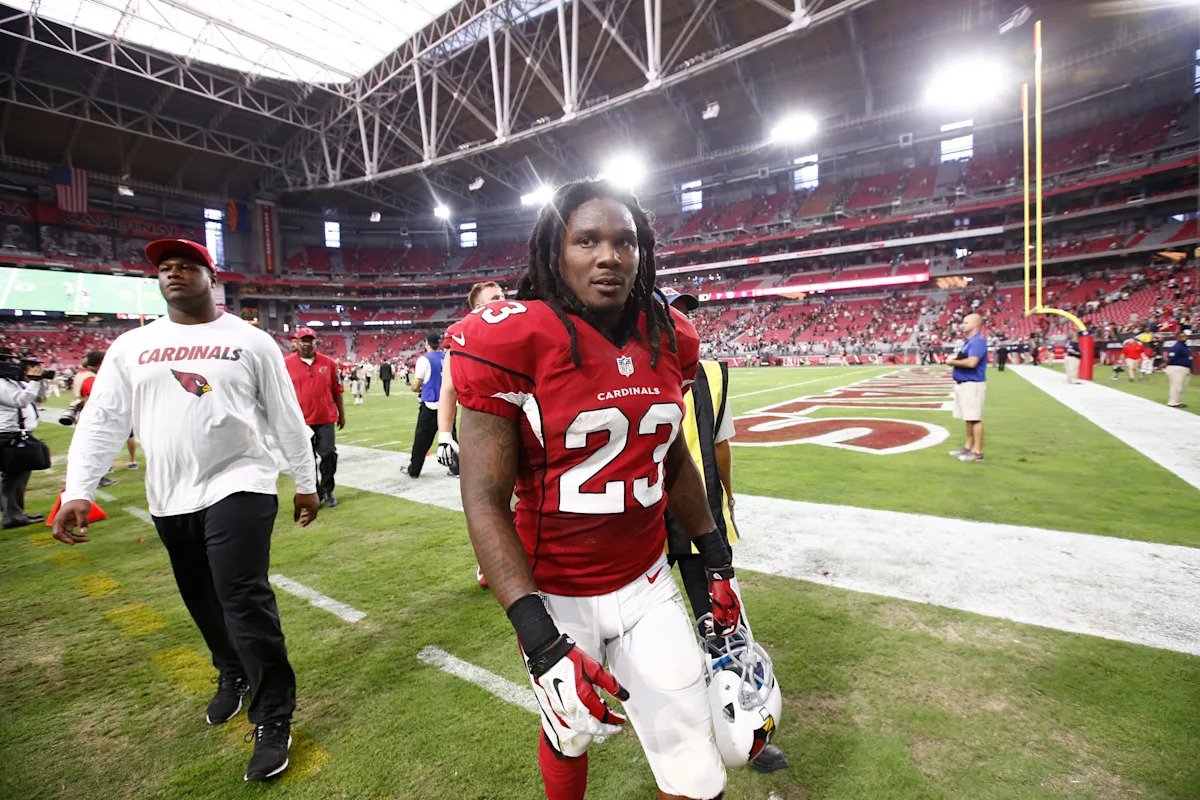
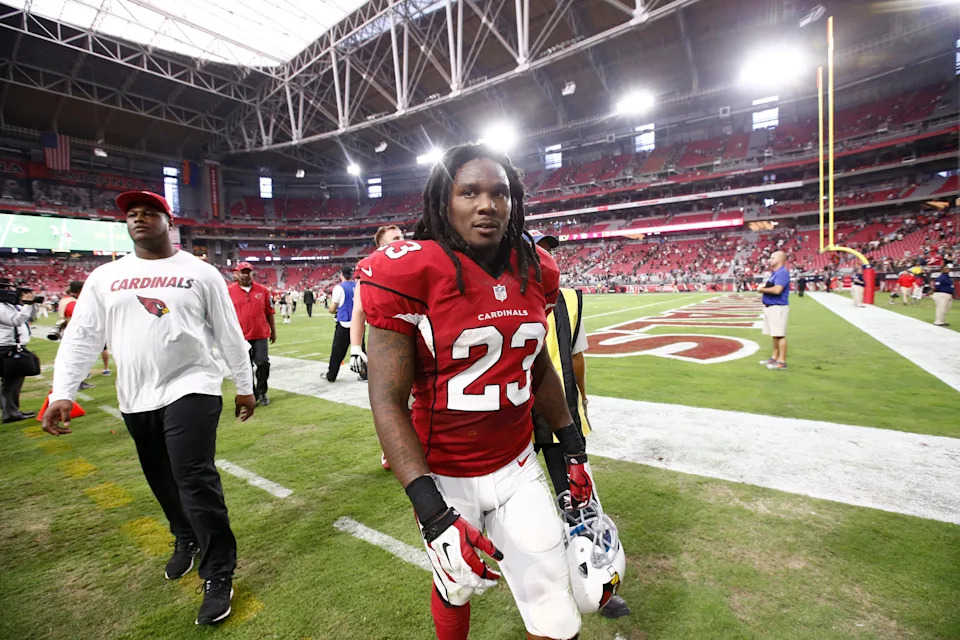
Former Tennessee Titans running back Chris Johnson, 40, revealed last month that he was diagnosed with ALS in 2025. He has lost the ability to speak
“Honestly, I don’t know if you ever fully process it,” Johnson said during a “Good Morning America” interview with Michael Strahan. “At first, you’re in shock. Then you realize you have two choices. You can give up, or you can fight. I chose to fight.”
Advertisement
What is CTE?
CTE, which stands for chronic traumatic encephalopathy, is a degenerative brain disease that destroys nerve cells in the brain, according to the Mayo Clinic
It is linked to repeated traumatic brain injury, such as concussions, and has been found in many former boxers, NFL players and military combat veterans after their deaths
CTE can only be diagnosed after death, with no specific symptoms tied to the disease present while a victim is alive. However, symptoms with possible ties to CTE include memory loss, impulsive behavior and depression

1/ 29
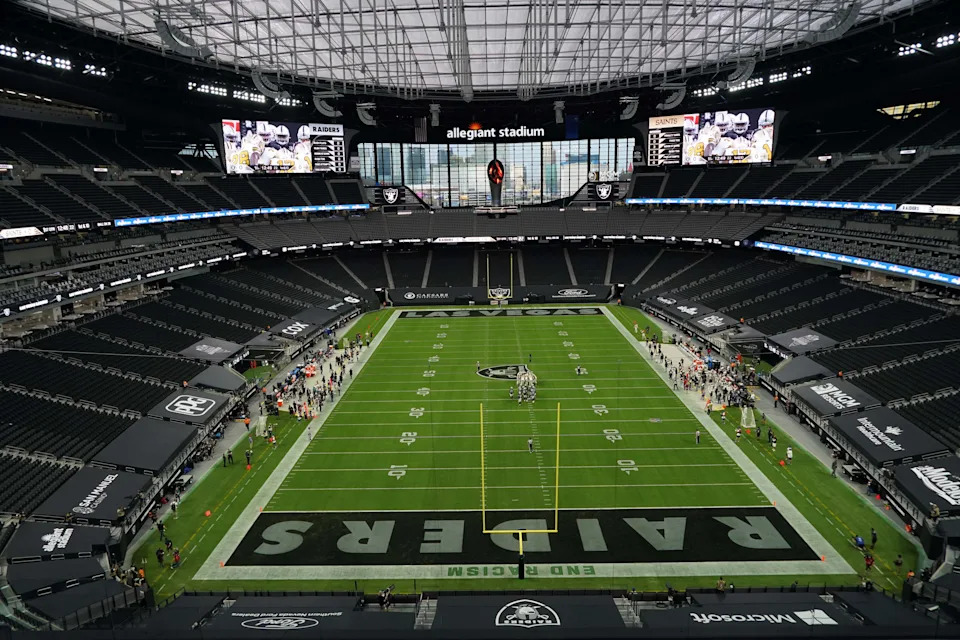
Take a look at the home stadiums for all 32 NFL teams
2/ 29
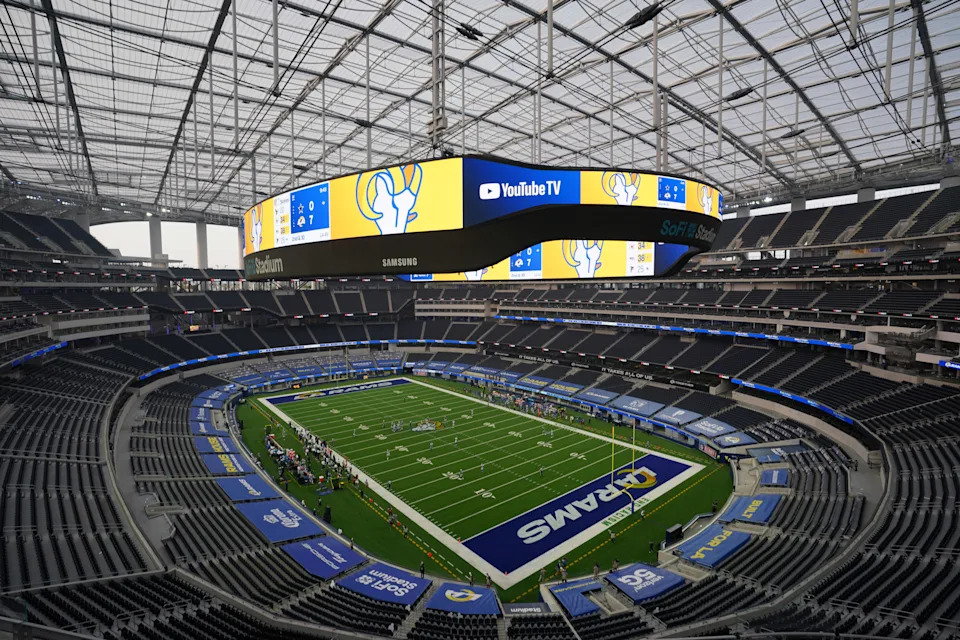
Take a look at the home stadiums for all 32 NFL teams
3/ 29
Take a look at the home stadiums for all 32 NFL teams
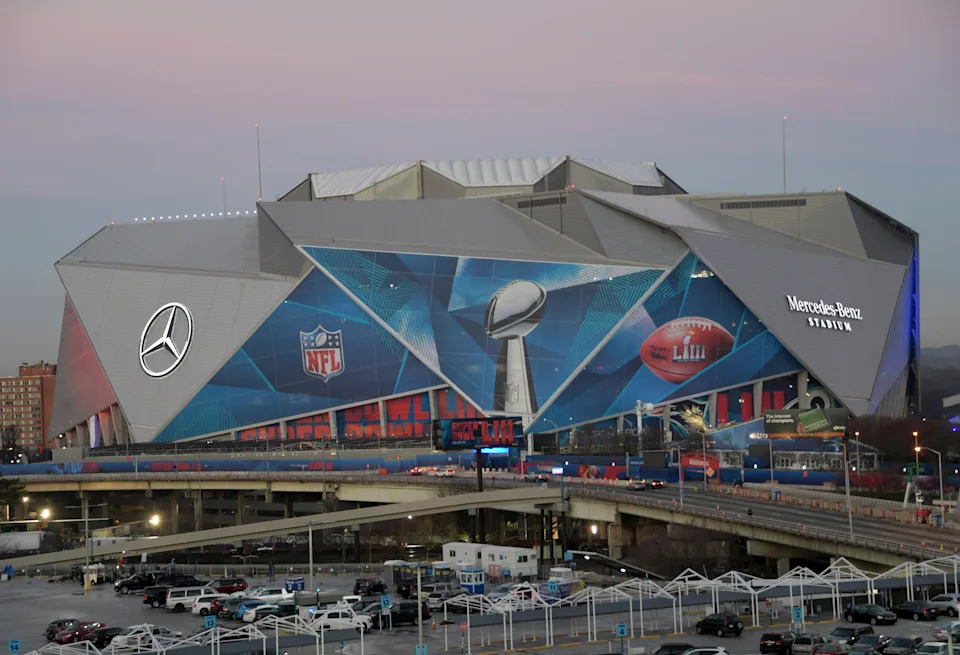
4/ 29
Take a look at the home stadiums for all 32 NFL teams
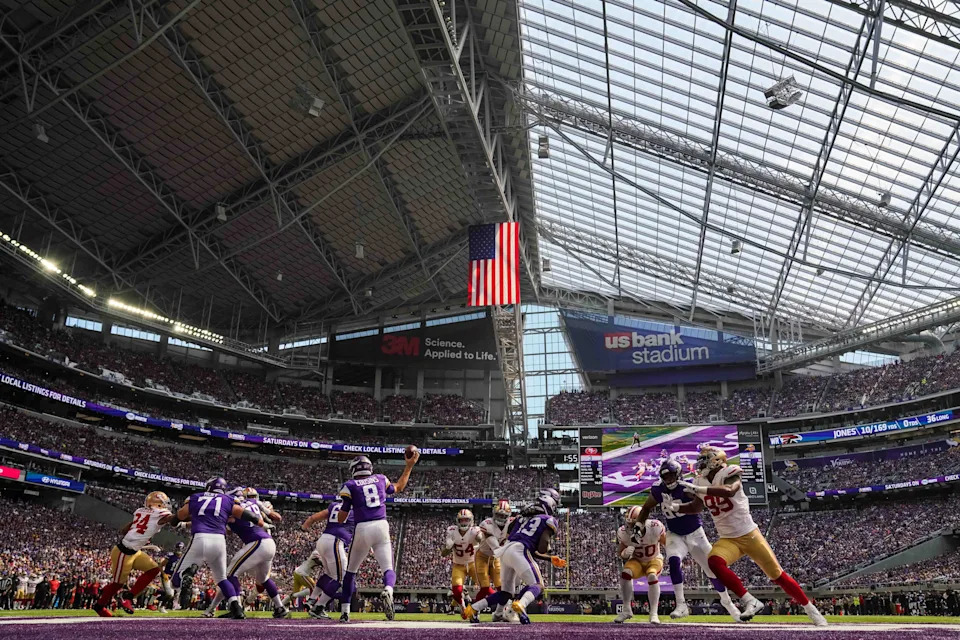
5/ 29
Take a look at the home stadiums for all 32 NFL teams

6/ 29
Take a look at the home stadiums for all 32 NFL teams
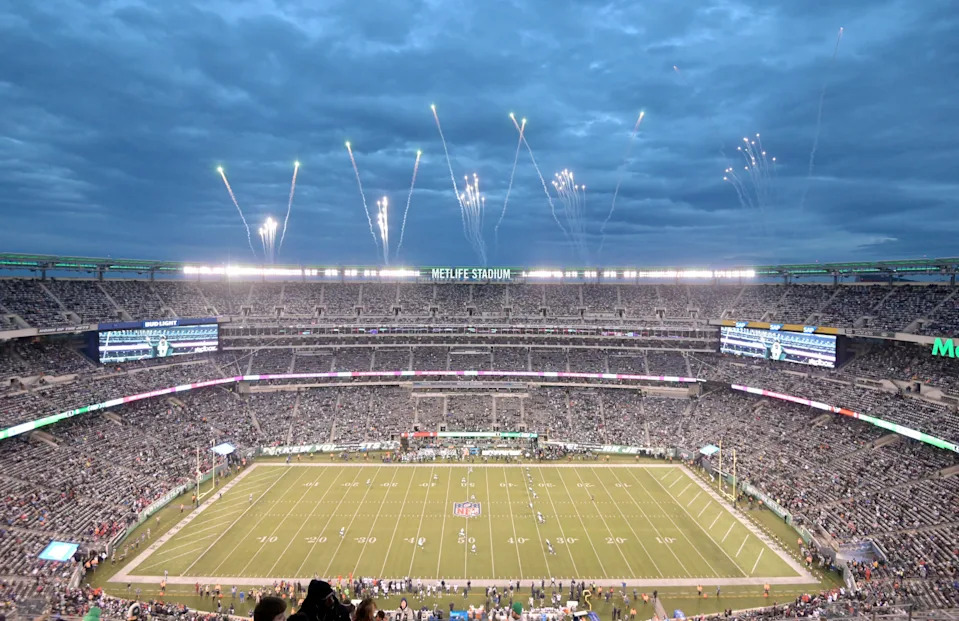
7/ 29
Take a look at the home stadiums for all 32 NFL teams
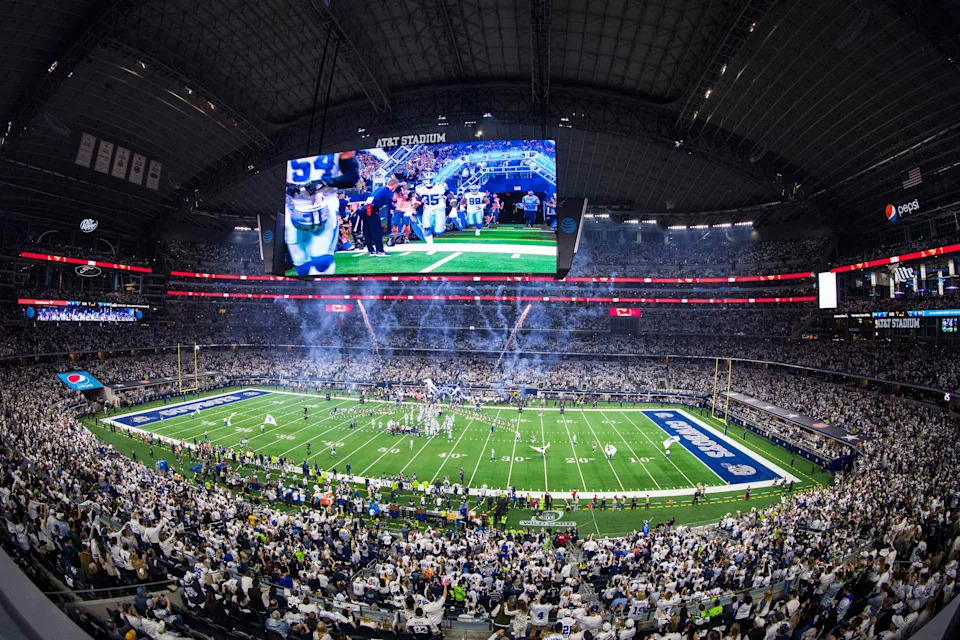
8/ 29
Take a look at the home stadiums for all 32 NFL teams
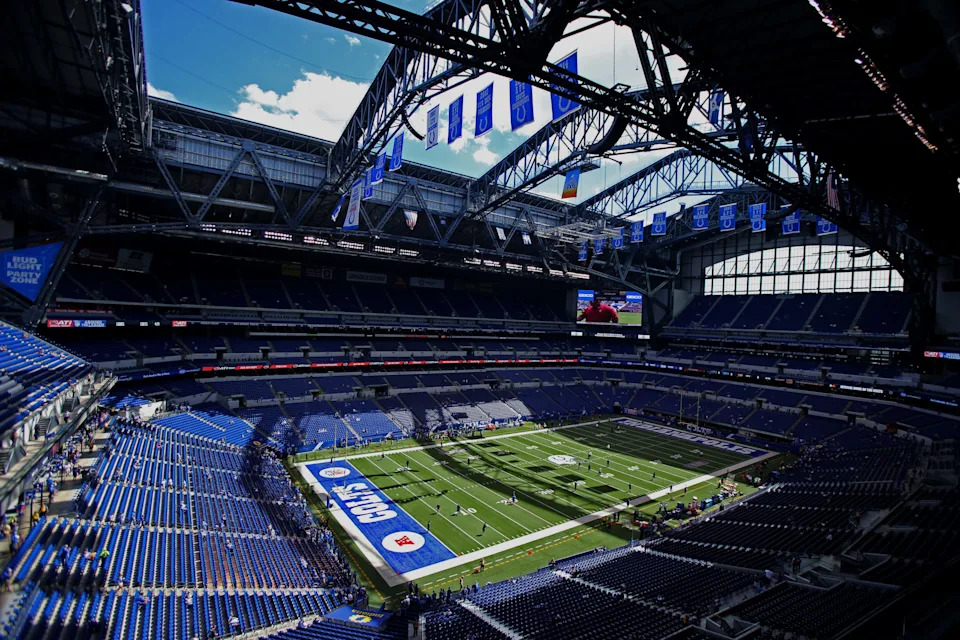
9/ 29
Take a look at the home stadiums for all 32 NFL teams

10/ 29
Take a look at the home stadiums for all 32 NFL teams
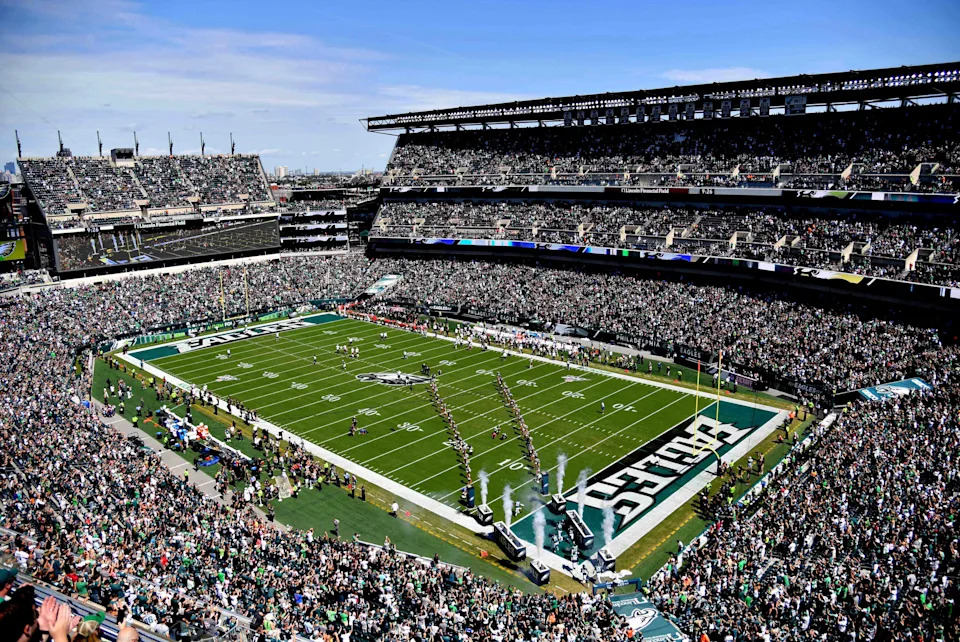
11/ 29
Take a look at the home stadiums for all 32 NFL teams
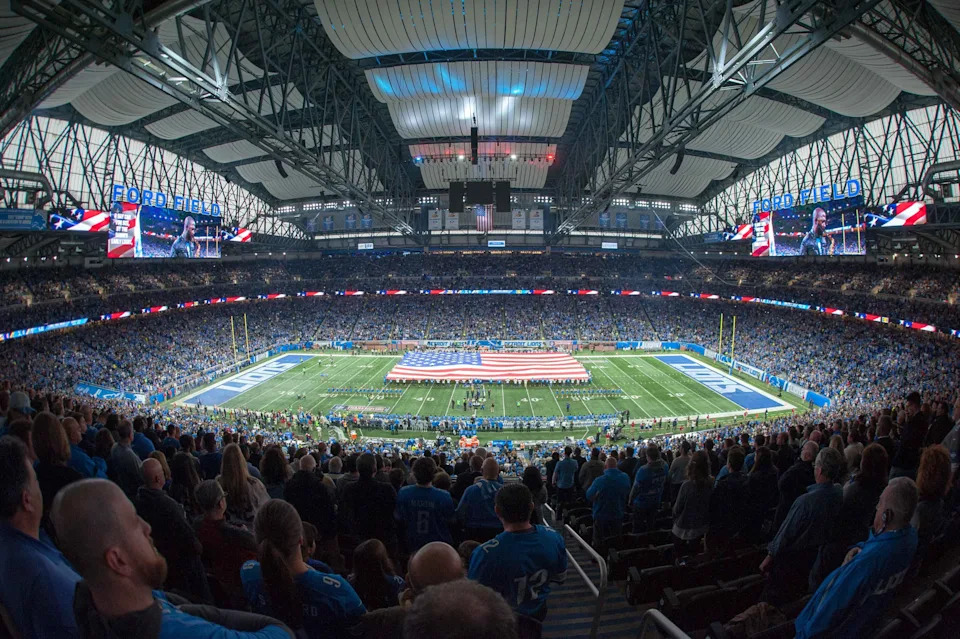
12/ 29
Take a look at the home stadiums for all 32 NFL teams

13/ 29
Take a look at the home stadiums for all 32 NFL teams

14/ 29
Take a look at the home stadiums for all 32 NFL teams

15/ 29
Take a look at the home stadiums for all 32 NFL teams

16/ 29
Take a look at the home stadiums for all 32 NFL teams

17/ 29
Take a look at the home stadiums for all 32 NFL teams

18/ 29
Take a look at the home stadiums for all 32 NFL teams

19/ 29
Take a look at the home stadiums for all 32 NFL teams

20/ 29
Take a look at the home stadiums for all 32 NFL teams

21/ 29
Take a look at the home stadiums for all 32 NFL teams

22/ 29
Take a look at the home stadiums for all 32 NFL teams

23/ 29
Take a look at the home stadiums for all 32 NFL teams

24/ 29
Take a look at the home stadiums for all 32 NFL teams

25/ 29
Take a look at the home stadiums for all 32 NFL teams

26/ 29
Take a look at the home stadiums for all 32 NFL teams

27/ 29
Take a look at the home stadiums for all 32 NFL teams

28/ 29
Take a look at the home stadiums for all 32 NFL teams

29/ 29
Take a look at the home stadiums for all 32 NFL teams
This article originally appeared on USA TODAY: NFL players 4 times more likely to die of neurodegenerative disease, new study finds
