


August 20, 2026
ByMaureen Salamon,
Executive Editor, Harvard Women’s Health Watch
- Reviewed byRobert H. Shmerling, MD,
Senior Faculty Editor, Harvard Health Publishing; Editorial Advisory Board Member, Harvard Health Publishing
Share
Print This Page
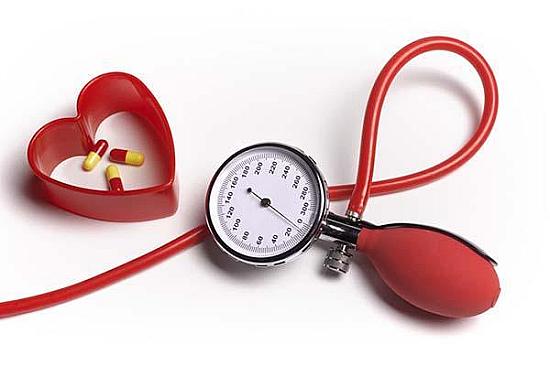
Obesity has long been known to pose an array of health risks, but more people with this condition are taking medications to lower their blood pressure and cholesterol levels. It appears this approach is working: better treatment has narrowed the gap in these cardiovascular risk factors between older adults with obesity and those of normal weight, according to an analysis published in the July 25, 2026, issue of The Lancet
Researchers evaluated 110 national health surveys conducted between 1990 and 2024 that collectively involved 978,425 people ages 20 to 79 from seven countries. They compared people with a normal body mass index (BMI) to those classified as overweight, obese, and extremely obese in terms of blood pressure and cholesterol levels, including whether participants used medications to lower elevated levels
The researchers found that people with obesity became increasingly likely to take medications for high blood pressure and cholesterol over the last three decades. As medication use increased, differences in blood pressure and cholesterol between people with obesity and normal-weight adults steadily shrank. However, this trend isn’t occurring in younger adults: for adults under age 40, obesity remained associated with worse cholesterol and blood pressure, and very few in this age group were taking medications, regardless of BMI.
While better treatment has narrowed some of obesity’s cardiovascular risks in older adults, study authors said, it’s easier to prevent years of damage than rely on medications to manage it after it accumulates. Younger adults should be proactive about weight control and treatment to avoid long-term problems. Losing even 5% to 10% of your body weight, if you’re overweight or have obesity, can improve blood pressure and cholesterol levels. Elevated levels should be treated
Image: © Peter Dazeley/Getty Images
About the Author
Maureen Salamon,
Executive Editor, Harvard Women’s Health Watch
Maureen Salamon is the executive editor of Harvard Women’s Health Watch. She also writes for the Harvard Health Letter, Harvard Heart Letter, and Harvard Men’s Health Watch, as well as for Harvard Health Publishing’s flagship website. …
See Full Bio
View all posts by Maureen Salamon
About the Reviewer
Robert H. Shmerling, MD,
Senior Faculty Editor, Harvard Health Publishing; Editorial Advisory Board Member, Harvard Health Publishing
Dr. Robert H. Shmerling is the former clinical chief of the division of rheumatology at Beth Israel Deaconess Medical Center (BIDMC), and is a current member of the corresponding faculty in medicine at Harvard Medical School. …
See Full Bio
View all posts by Robert H. Shmerling, MD
Share
Print This Page
Disclaimer:
As a service to our readers, Harvard Health Publishing provides access to our library of archived content. Please note the date of last review or update on all articles
No content on this site, regardless of date, should ever be used as a substitute for direct medical advice from your doctor or other qualified clinician
