


BySoo Kim
Newsweek is a Trust Project member
See more of our trusted coverage when you search.to see more of our trusted coverage when you search.
Women who consume diets higher in antioxidants may have a lower prevalence of cervical cancer, a new study has shown
The research, published in August 2026 in theInternational Journal of Gynecology & Obstetrics, examined the relationship between dietary antioxidants and cervical cancer among women in the United States
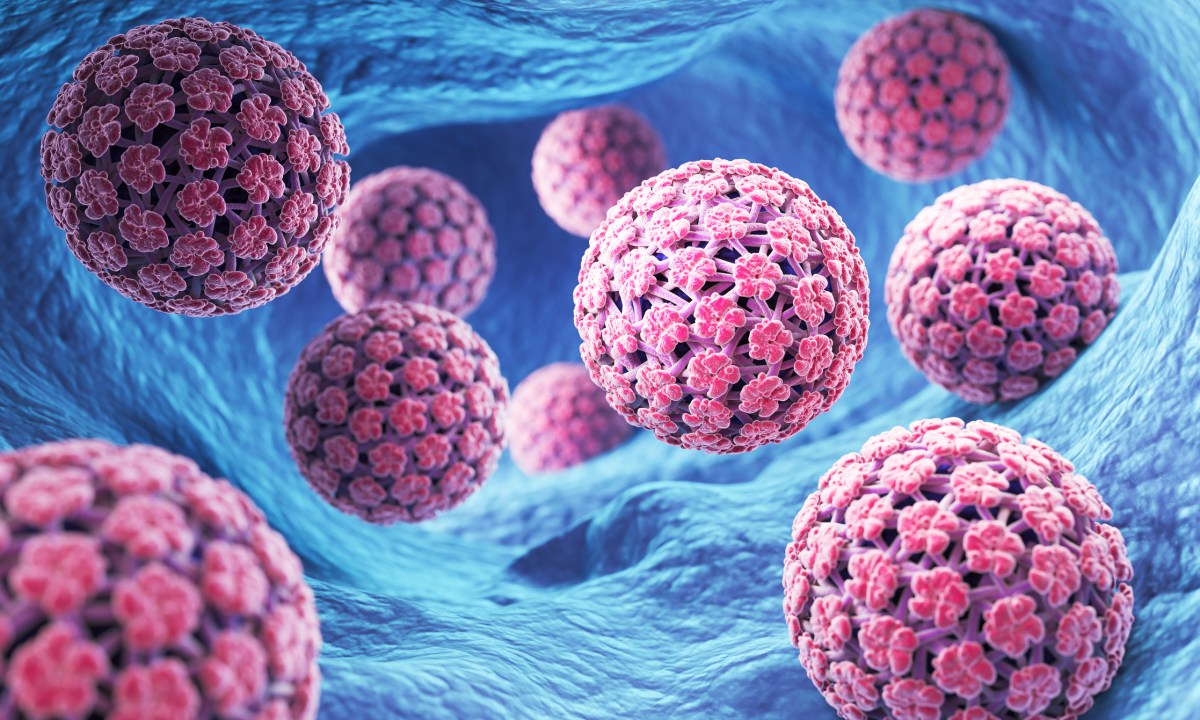
According to the World Health Organization, nearly all cases of cervical cancer are caused by different types of the human papillomavirus (HPV), a common sexually transmitted infection. If not detected and treated early, cervical cancer can spread beyond the cervix to nearby tissues and distant organs, becoming far more difficult to treat and potentially life-threatening
While the findings of the latest study suggest a potential protective association, experts cautioned that the study does not prove that antioxidants directly prevent the disease and stressed that HPV vaccination and regular screening remain the most effective preventive measures
Researchers analyzed data from 1,044 women who participated in the U.S. National Health and Nutrition Examination Survey (NHANES) between 2003 and 2018. The group included 174 women with cervical cancer and 870 without
The team assessed participants’ diets using the Composite Dietary Antioxidant Index (CDAI), a score that measures multiple dietary antioxidant exposures
…
After accounting for other factors that could influence cancer risk, the researchers found that each one-unit increase in CDAI was associated with an 11.4 percent lower prevalence of cervical cancer. Women in the highest third of CDAI scores had a 55.8 percent lower prevalence of cervical cancer than those in the lowest third
The authors of the study reported that the CDAI was “significantly inversely associated with the prevalence” of cervical cancer and concluded that “dietary antioxidant intake may play a potential role in the prevention” of the disease. However, they emphasized that additional prospective studies are needed to confirm the relationship and better understand the underlying biological mechanisms
‘One Piece of the Larger Picture’
Dr. Liz Swenson, a board-certified obstetrics and gynecology (OB/GYN) doctor with expertise in cervical cancer prevention and screening, said the findings should be viewed as part of a broader conversation about healthy lifestyles rather than as a substitute for established prevention measures
Swenson told Newsweek that the most important takeaway from this study is that “nutrition may be one piece of the larger picture when it comes to cervical cancer prevention, but it should not be viewed as a replacement for proven preventive measures like HPV vaccination and regular cervical cancer screening.”
She noted that antioxidant-rich foods such as fruits, vegetables, nuts, and whole grains may help protect cells from oxidative stress and support immune function, potentially affecting how the body responds to persistent HPV infections
“This study adds to a growing body of research suggesting that diets which include whole foods rich in antioxidants may be associated with better health outcomes, including a lower prevalence of cervical cancer,” she said
Dr. Robert Thompson, a board-certified physician executive with specialized training in family medicine, women’s health and obstetrics and gynecology, said one strength of the study is its focus on overall dietary patterns rather than individual nutrients
“What I find compelling about this study is the fact that it examines the total antioxidant potential of diets, as opposed to evaluating individual vitamins, utilizing the Composite Dietary Antioxidant Index,” Thompson told Newsweek. “While these results are encouraging, they would best be described as hypothesis-generating versus practice-changing.”
…
The Findings Don’t Prove Cause and Effect
Swenson explained that the study was cross-sectional, meaning diet and cancer status were assessed at roughly the same time
“That means it can identify an association, but it cannot establish cause and effect or tell us whether a higher antioxidant intake directly reduced a woman’s risk of developing cervical cancer,” she said
She added that factors such as smoking, HPV status, access to healthcare, socioeconomic circumstances and other health behaviors could influence both diet and cancer risk
Thompson echoed those concerns, noting that people who consume antioxidant-rich diets often differ from others in ways that may not be fully captured by statistical analyses
Dr. Brian Honeyman, a physician specializing in internal medicine and hospice and palliative care, also cautioned against drawing firm conclusions
“The major takeaway here is this study provides us with an interesting signal related to diet and not definitive evidence that antioxidants will help prevent cervical cancer,” Honeyman told Newsweek
Because the study design captures diet and cancer status at roughly the same time, he said it cannot establish whether higher antioxidant intake preceded the development of cervical cancer or whether women changed their diets after their diagnosis
“While biologically plausible, there is no direct evidence to support the idea that oxidative stress influences the progression of persistent infection by high-risk HPV,” Honeyman said
Cervical Cancer Prevention and Treatment
Experts stressed that while a healthy, plant-rich diet may support overall health, it should complement rather than replace evidence-based prevention strategies
“My recommendations for preventing cervical cancer continue to be consistent with current medical literature,” Honeyman said. “These include receiving HPV vaccinations as well as undergoing regular screenings for cervical abnormalities. Persistent infections with high-risk strains of HPV cause nearly all cases of cervical cancer.”
“HPV vaccination and routine cervical screening are the most established preventive measures and diagnostic tools for preventing and detecting cervical cancer, respectively,” Thompson added
Vaccination can help protect against the HPV strains most commonly linked to cervical cancer, while regular screening tests can detect abnormal cell changes before they become cancerous
Treatment depends on the stage of the disease and may include surgery, radiation therapy, chemotherapy, targeted therapies, or combinations of these approaches
For now, researchers say the latest findings offer another reason to follow a balanced diet rich in fruits, vegetables, and other antioxidant-containing foods, while continuing to prioritize vaccination and regular screening as the cornerstones of cervical cancer prevention
…
Reference
Lang, M., Dang, L., Zhang, S., et al. (2026). Association between Composite Dietary Antioxidant Index and cervical cancer: A population-based cross-sectional study. International Journal of Gynecology & Obstetrics. https://obgyn.onlinelibrary.wiley.com/doi/10.1002/ijgo.71276
Do you have a tip on a health or science story that Newsweek should be covering? Do you have a question about cancer? Let us know
Contact Newsweek editors on this story: Sirena Bergman and Cristina Diciu
Request Reprint & Licensing
View Editorial & AI Guidelines
