


Science and technology
Why immune responses to vaccines vary from person to person
Study finds past immune encounters may predict future vaccine response
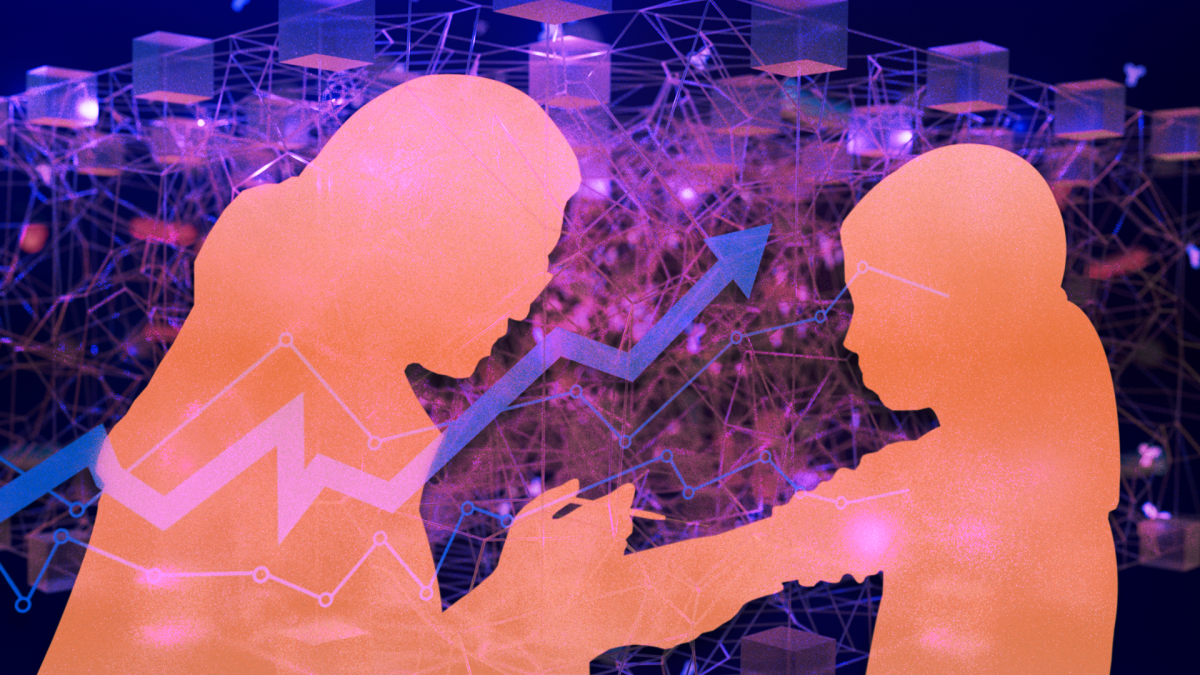
ASU researchers used AI to analyze antibodies already present in the blood, uncovering patterns that may reveal a person’s “immune readiness” before vaccination. The findings could eventually help identify who is likely to mount a strong response — and who may need additional protection. Graphic by Jason Drees/ASU
Vaccines protect most people from serious illness, but the strength of that protection can vary considerably from one person to another. Some people produce a robust immune response, while others respond only weakly
A new study led by Arizona State University helps us understand why. Before a vaccine ever enters your body, your immune system may already hold clues to how strongly it will respond
In blood samples from more than 4,000 people, ASU researchers and their colleagues measured antibodies against 185 antigens — targets recognized by the immune system, including those from common viruses and bacteria, as well as targets associated with autoimmune diseases
They then used artificial intelligence to analyze patterns in samples collected before and after COVID-19 vaccination, identifying antibody signatures that helped distinguish strong vaccine responders from weak ones
The research opens a possible path toward more personalized vaccination strategies
“What our study found is that certain biomarkers, when analyzed with AI, can predict who is likely to respond well to a vaccine, even before they receive it. This suggests that some people may be more immune-ready than others,” says Joshua LaBaer, who led the study
LaBaer is the executive director of the Biodesign Institute at ASU and director of the Virginia G. Piper Center for Personalized Diagnostics. The research was conducted with ASU colleagues and collaborators from medical and research institutions across the country
The study appears in the current issue of the journal Cell Press Blue
Antibody clues reveal immune readiness
Usually, scientists evaluate vaccine response after the shot, by measuring whether the immune system produced antibodies against the target. Here, the researchers asked a different question: Could patterns already present in the blood predict the response before vaccination?
Vaccine response varies widely from person to person. Age, sex, genetics, prior illnesses and underlying health conditions have all been linked to how strongly people respond. People with immune-compromising conditions are often at higher risk of weaker responses. But even within these groups, outcomes can differ sharply
The new approach is one of the first to use a broad, pre-vaccine antibody “fingerprint” to assess immune readiness. Unlike some prediction methods that rely on genetic analyses, this strategy uses antibody patterns in blood, which may be easier to adapt for clinical use
Beyond immune categories
To test whether that antibody fingerprint could reveal vaccine readiness, the researchers analyzed antibody responses to 185 antigens. These included SARS-CoV-2, the virus that causes COVID-19, other common viruses and bacteria, and targets associated with autoimmune diseases
What is an antibody?
Your immune system keeps a memory of many things it has encountered before, including viruses, bacteria and other foreign substances. Antibodies are proteins that help recognize these targets, allowing the immune system to respond more quickly if they appear again. Vaccines help build this protection without requiring a person to become sick from the infection first
The study included 8,687 samples from 4,089 participants, spanning healthy volunteers and people with conditions or treatments linked to immune suppression, such as HIV, multiple myeloma, solid organ malignancy, autoimmune disease, inflammatory bowel disease and solid organ transplantation
The researchers found that several immunosuppressed groups were more likely to have blunted responses to COVID-19 vaccination. But those categories were imperfect predictors. Some immunosuppressed participants mounted strong responses, while about 5% to 6% of healthy participants had weak responses
Sentinel antibodies
The study found that higher levels of certain preexisting antibodies, including antibodies to common microbes such as Staphylococcus aureus, RSV and human respirovirus 3, were associated with stronger COVID-19 vaccine responses
The researchers describe these as “sentinel” antibodies because they may indicate a person’s baseline immune readiness. They are not necessarily fighting the vaccine target directly. Instead, they may reflect how responsive the antibody-producing arm of the immune system is likely to be
The researchers then asked whether the full antibody fingerprint, not just a few individual markers, could help identify people likely to have weak vaccine responses. Their deep learning model analyzed patterns across the antibody panel, combining many measurements into a broader immune profile
Why this research matters
Research is the invisible hand that powers America’s progress. It unlocks discoveries and creates opportunity. It develops new technologies and new ways of doing things
Learn more about ASU discoveries that are contributing to changing the world and making America the world’s leading economic power at researchmatters.asu.edu
The study highlights a key strength of AI in health research: its ability to find subtle, predictive patterns in millions of biological data points that might otherwise remain hidden. The approach suggests that vaccine readiness may be better understood by looking at the immune system as a whole, rather than focusing only on a single disease or a single antibody
The work also highlights the value of newer technologies that can measure large numbers of antibody responses at once. Instead of asking whether someone has antibodies to one pathogen, the method can scan a wider immune landscape, capturing patterns formed by many previous encounters with viruses, bacteria and other immune targets
The researchers say the findings could have implications beyond COVID-19, if they are validated in additional studies and with other vaccines. Sentinel antibody profiling could help guide vaccine testing, vaccine development and clinical care for people at risk of weak immune responses
The approach might eventually help doctors identify patients who need additional vaccine doses, closer follow-up or alternative protective measures. It could also help researchers better understand why some people respond well to vaccination while others do not
The work points toward a future in which vaccine decisions could be guided by a person’s own immune readiness
This study received funding from NIH/National Institutes of Health, NIH/National Cancer Institute and Autoimmunity Centers of Excellence
ASU HealthBiodesign Virginia G. Piper Center for Personalized DiagnosticsClinical Testing LabFacultySDG 03 Good Health and Well-BeingBioscienceTempe campusCommunityScience and technologyHealth careSchool of Molecular SciencesSchool of Life SciencesBiodesign InstituteResearchThe College of Liberal Arts and Sciences
ASU Health, Biodesign Virginia G. Piper Center for Personalized Diagnostics, Clinical Testing Lab, Faculty, Research matters, SDG 03 Good Health and Well-Being, Bioscience, Tempe campus, Community, Science and technology, Health care, School of Molecular Sciences, School of Life Sciences, Biodesign Institute, Research, The College of Liberal Arts and Sciences
More Science and technology
The purpose of perspiration was a mystery in 1775, when English physician Charles Brian Blagden and a few inquisitive friends experimented on themselves by spending time in rooms heated to over 230…
Read this story
Healthy LivingScienceResearch
The United States will remain on top. Brazil will gain ground. China will expand its share. And some longtime European agricultural powers may fall behind.That is the picture of the global food trade…
Read this story
AgricultureArtificial intelligenceEngineeringFood and Dining
University research often conjures images of laboratories, libraries and computer screens. But for Arizona State University scientists studying extreme heat, the work often happens outside, hauling…
Read this story
Sustainable EngineeringEngineeringEnvironmentSustainability
