


August 27, 2026Suzanne Leigh, UC San Francisco

Credit: Courtesy image
ToCaroline “Carlie” Tanner, M.D., Ph.D., a neurologist and epidemiologist specializing in movement disorders, it’s no surprise that Parkinson’s disease was first referenced in England in 1817, at the height of the Industrial Revolution when cities were cloaked in smoke and soot
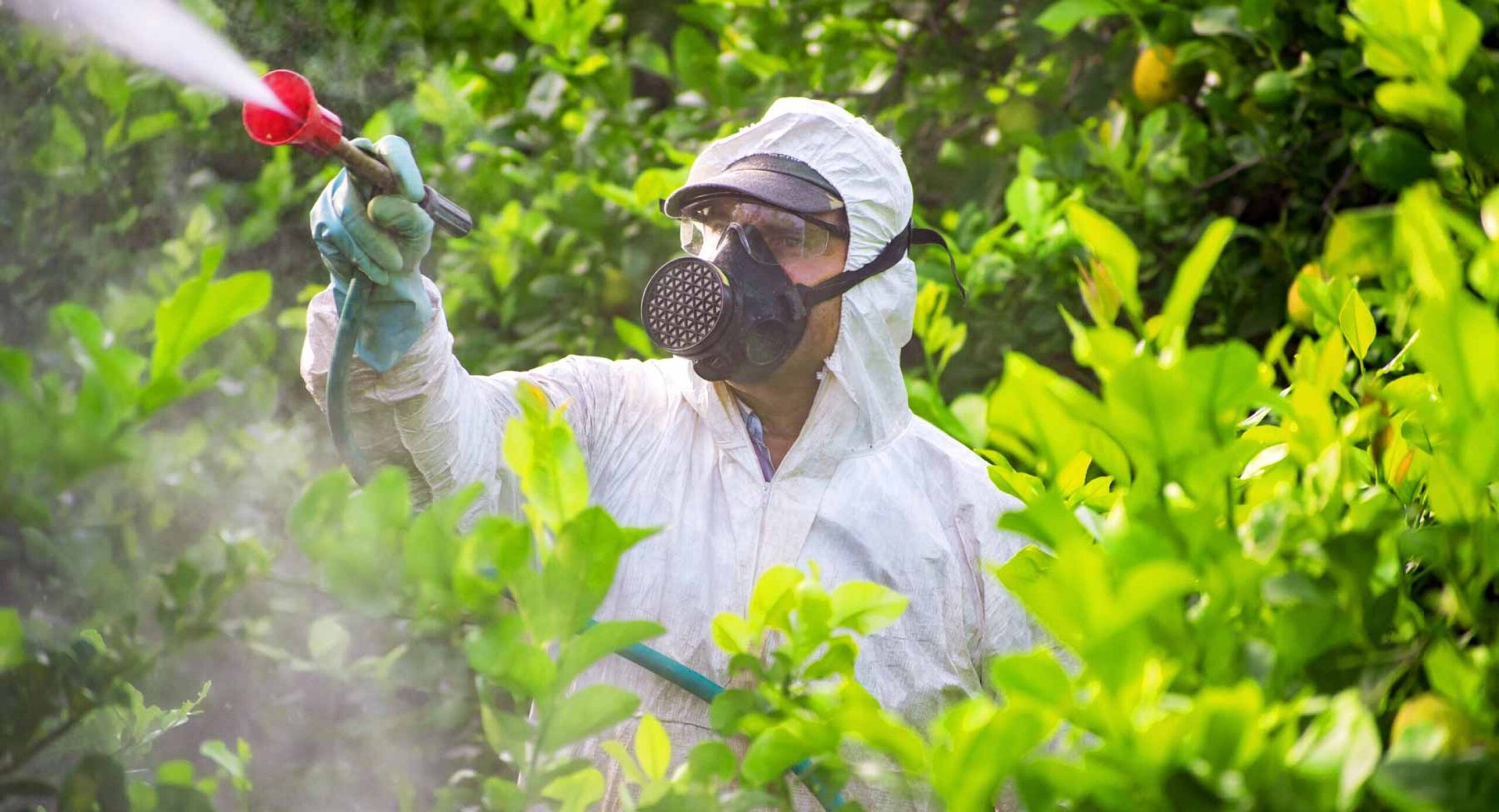
Today, smoke and soot have given way to more insidious, less visible toxicants. Research shows that exposure to toxicants destroys neurons, including those that produce dopamine, a neurotransmitter that facilitates smooth, balanced movement. Years later, patients developed Parkinson’s symptoms, including tremors that evolve into immobility, cognitive and mood changes, and difficulty swallowing
Tanner’s groundbreaking population studies have quantified the risks of these toxicants and have highlighted the role of environmental triggers. Her research was instrumental in the Paraquat Prevention Act introduced in the U.S. House of Representatives in June 2026 and the phasing out or banning of other toxicants
We asked Tanner, whose research is supported by the National Institutes of Health (NIH), about the upsurge
