


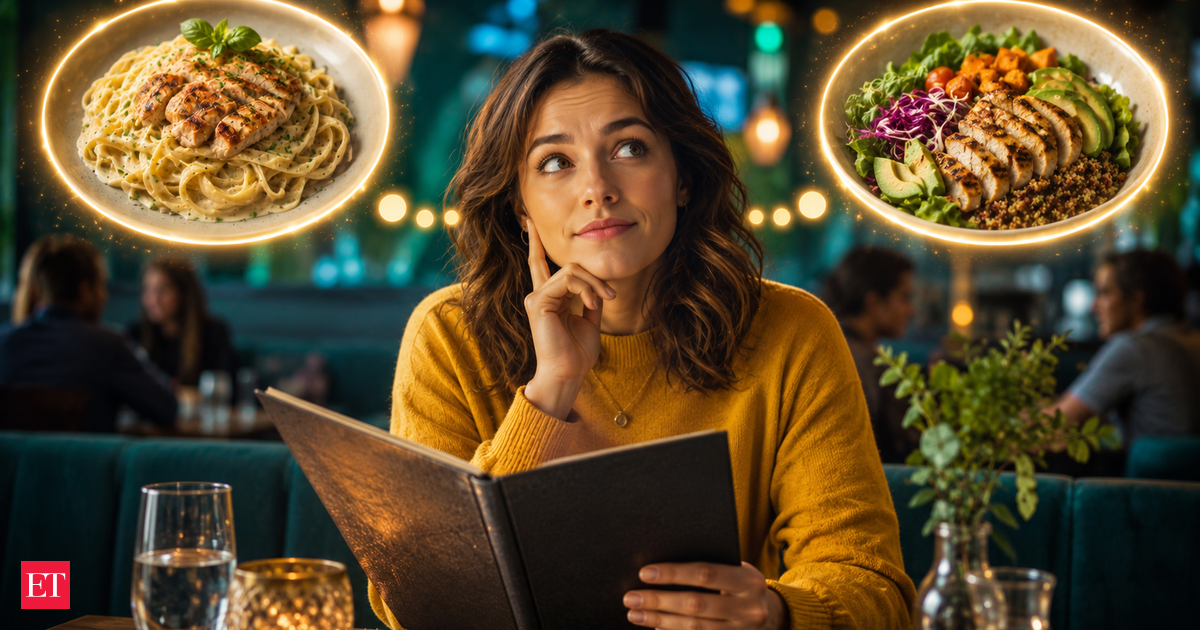
Most restaurant menus are designed to offer variety. They feature dozens of appetizers, main courses and desserts to tempt customers into trying something new. Yet many people barely glance at the menu before confidently ordering the same dish they have eaten for years. Whether it is butter chicken, grilled salmon, a cheeseburger or pasta, they rarely feel tempted to experiment. Friends may encourage them to try something different, but they usually decline. Psychology says this behavior is not necessarily a sign of boredom or a lack of curiosity. Instead, research suggests that consistently choosing the same meal is often influenced by habit, decision-making processes, uncertainty avoidance and the brain’s preference for familiarity.These psychological mechanisms help explain why returning to a favorite dish can feel surprisingly satisfying.
Familiar choices reduce mental effort
One explanation comes from research on Decision Fatigue, a concept popularized by psychologist Roy F. Baumeister. Every day, people make hundreds of decisions about work, finances, transportation and family responsibilities. As mental energy becomes depleted, the brain naturally looks for opportunities to simplify future choices.Ordering a familiar dish eliminates the need to compare ingredients, prices and reviews while wondering whether a new meal will be enjoyable. For example, after a demanding workday, someone may order their favorite pasta simply because they no longer want to spend energy making another decision.You Might Also Like:

Psychology says people who always cook with their grandmother’s recipes are not just looking for good food, it is more about comfort and memories
The brain prefers familiar experiences
Another explanation is the Mere Exposure Effect, first identified by psychologist Robert Zajonc. The theory suggests that repeated exposure increases our preference for something over time. The more familiar a dish becomes, the more comfortable and appealing it often feels.Imagine someone who has ordered the same chicken curry at their favorite restaurant for years. Positive experiences with that meal gradually strengthen their preference, making alternative options seem less attractive. Psychologists note that familiarity often creates a sense of safety and satisfaction.
People often try to avoid disappointment
Another important concept is Anticipated Regret, studied extensively in behavioral decision-making. Before making a choice, people often imagine how they might feel if the outcome is disappointing.A diner considering an unfamiliar dish may wonder, “What if I don’t like it and wish I’d ordered my favorite instead?” Choosing the familiar option minimizes that risk. The certainty of enjoying a trusted meal often feels more rewarding than gambling on something new. For many people, avoiding disappointment is just as motivating as seeking pleasure.You Might Also Like:

Psychology says people who are scared of roller coasters and fair rides don’t always have motion sickness, their brain may simply be wired to detect danger
Habits become automatic over time
Research on Habit Formation, particularly by psychologist Wendy Wood, shows that repeated behaviors eventually become automatic. Someone who visits the same restaurant every Friday and orders the same pizza may no longer consciously evaluate the menu. The familiar routine unfolds almost effortlessly.Psychologists explain that habits reduce cognitive effort because the brain relies on established patterns instead of creating new decisions each time. This automatic behavior allows people to focus more on conversations and social experiences than on choosing food.
Some people are less comfortable with uncertainty
Another explanation involves Uncertainty Avoidance, a concept widely studied in psychology and cultural research. Some individuals naturally feel more comfortable when outcomes are predictable.Ordering an unfamiliar dish introduces uncertainty about flavor, portion size and overall satisfaction. A familiar meal removes those unknowns. For example, someone attending an important business lunch may intentionally choose a dish they already know they enjoy because they want the meal to be one less thing to worry about. The preference reflects comfort with predictability rather than resistance to change.
Processing familiar information feels easier
Psychologists also describe a phenomenon called Cognitive Fluency, which refers to the brain’s preference for information that is easy to process. Recognizing a favorite dish immediately creates a sense of confidence because the brain already knows what to expect.Reading through an unfamiliar menu filled with new ingredients requires greater mental effort, while selecting a well-known meal feels quick and effortless. This ease of processing often influences satisfaction before the food even arrives.Decision fatigue, the mere exposure effect, anticipated regret, habit formation, uncertainty avoidance and cognitive fluency all contribute to the appeal of familiar choices. While some diners enjoy exploring new flavors every time they eat out, others find genuine satisfaction in returning to a trusted favorite. Psychology reminds us that even simple dining decisions reflect the remarkable ways our brains balance familiarity, efficiency and emotional comfort in everyday life.
Why do some people always order the same food at restaurants?
Psychologists say familiar meals reduce mental effort, lower uncertainty and increase confidence that the dining experience will be enjoyable.
Does ordering the same dish mean someone dislikes change?
Not necessarily. Many people enjoy novelty in other parts of life but prefer predictable choices when it comes to food.Add 
as a Reliable and Trusted News Source

Add Now!
(You can now subscribe to our Economic Times WhatsApp channel)
Read More News on
psychology of ordering fooddecision fatiguesatisfaction in familiar dishesfamiliar mealsAnticipated Regret in dining
(Catch all the US News, UK News, Canada News, International Breaking News Events, and Latest News Updates on The Economic Times.)
Download The Economic Times News App to get Daily International News Updates
…moreless
(You can now subscribe to our Economic Times WhatsApp channel)
Read More News on
psychology of ordering fooddecision fatiguesatisfaction in familiar dishesfamiliar mealsAnticipated Regret in dining
(Catch all the US News, UK News, Canada News, International Breaking News Events, and Latest News Updates on The Economic Times.)
Download The Economic Times News App to get Daily International News Updates
…moreless
