


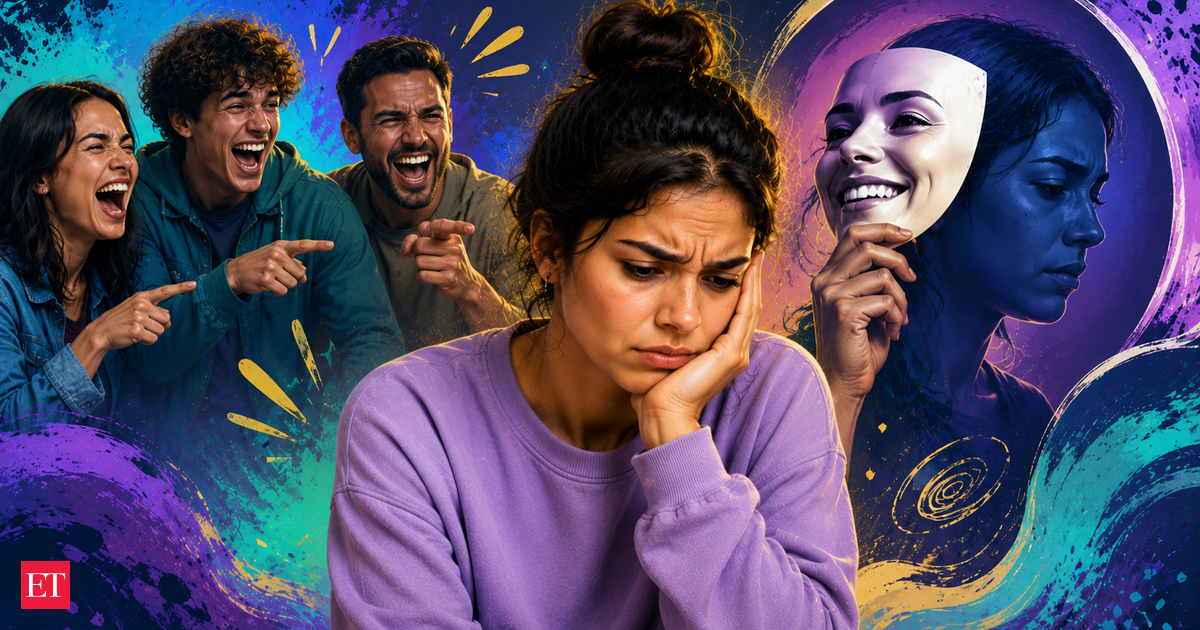
Most people have experienced it at some point. Someone jokes about their appearance, laughs at a mistake, or turns an embarrassing moment into entertainment. Sometimes it’s playful teasing between close friends. Other times, it crosses the line and leaves lasting emotional scars.Psychology says the reasons people make fun of others are far more complex than simply being “mean.” Research shows that teasing and mockery can stem from several psychological factors, including social learning, self-esteem, group dynamics, social comparison, and different styles of humor. Importantly, not all teasing is harmful. Friendly humor between people who trust each other can strengthen relationships, while repeated ridicule or humiliation can damage confidence and well-being.Understanding these psychological processes helps explain why some people rely on humor at another person’s expense.
Some people learn this behavior from their environment
One of the strongest explanations comes from Social Learning Theory, developed by psychologist Albert Bandura.According to Bandura, people often learn behaviors by observing parents, siblings, classmates, media figures, and peers.You Might Also Like:

Psychology says people who keep deleting and rewriting messages may be overthinking more than they realize
For example, a child who grows up in a family where sarcasm and ridicule are common may begin using the same communication style without realizing how it affects others. This doesn’t excuse hurtful behavior, but it helps explain how it develops.
Social comparison can influence teasing
Psychologist Leon Festinger’s Social Comparison Theory suggests that people naturally compare themselves with others to evaluate their own abilities and worth. Sometimes, making fun of another person’s mistakes temporarily boosts someone’s own self-image.Imagine a coworker laughing when a colleague gives the wrong answer during a meeting. The joke may briefly make the person feel more competent by comparison. Research emphasizes that this isn’t true of everyone, but social comparison can influence certain teasing behaviors.
Humor sometimes creates a sense of superiority
One of the oldest explanations for laughter is the Superiority Theory of Humor, discussed by philosophers such as Thomas Hobbes and later explored by psychologists. The theory suggests that people sometimes laugh because they momentarily feel superior to someone else’s mistake, awkwardness, or bad luck.You Might Also Like:

Psychology says people who rarely compliment others don’t always have bad intentions, they may be struggling with more than you realize
For example, viewers may laugh when a fictional character slips on a banana peel, not because the fall is serious, but because they feel temporarily removed from the embarrassment. In real life, however, repeatedly using humor to belittle others can damage relationships.
Low emotional intelligence may make teasing more hurtful
Psychologists describe Emotional Intelligence, popularized by Daniel Goleman, as the ability to recognize and manage emotions in ourselves and others.Some people simply fail to notice when a joke has gone too far. For example, someone may continue making jokes about a friend’s appearance, believing everyone is laughing, while missing signs that the friend feels embarrassed or excluded. Greater emotional awareness often leads to more respectful humor.
Group dynamics encourage people to join in
Research in Social Identity Theory, developed by Henri Tajfel and John Turner, suggests that people often seek acceptance within groups. Sometimes individuals make fun of an outsider because they believe it will strengthen their position within the group.For example, students may laugh at a classmate’s mistake because everyone else is laughing, even if they would never tease the person individually. Group pressure can strongly influence behavior.
Insecurity can sometimes hide behind criticism
Psychologists also note that low self-esteem may contribute to criticism or ridicule in some situations. Someone who feels uncertain about their own abilities may shift attention toward another person’s flaws instead.For example, an employee worried about their own performance might frequently point out coworkers’ mistakes during meetings. This isn’t the only explanation for teasing, but research suggests insecurity can sometimes play a role.
Healthy humor looks very different
Not all humor comes at another person’s expense. Research in Positive Psychology shows that shared laughter, playful banter with mutual consent, and self-deprecating humor can strengthen relationships, reduce stress, and improve social bonding.The key difference is whether everyone involved feels respected and included. Humor that consistently humiliates or isolates someone is much more likely to harm trust and emotional well-being.Psychologists emphasize that understanding why someone mocks others does not excuse hurtful behavior. Instead, it highlights that respectful humor, empathy, and emotional awareness are more effective ways to build strong relationships than putting others down.
Why do people make fun of others?
Psychologists say the reasons vary and may include learned behavior, social comparison, group pressure, insecurity, or different styles of humor.
Is teasing always harmful?
No. Friendly teasing between people who trust each other can strengthen relationships. Teasing becomes harmful when it repeatedly humiliates, excludes, or causes emotional distress.Add 
as a Reliable and Trusted News Source

Add Now!
(You can now subscribe to our Economic Times WhatsApp channel)
Read More News on
why people make fun of otherspsychology saysteasing psychologyhumor psychologysocial comparison theorysuperiority theory of humorbullying psychologyemotional intelligencesocial psychology.
(Catch all the US News, UK News, Canada News, International Breaking News Events, and Latest News Updates on The Economic Times.)
Download The Economic Times News App to get Daily International News Updates
…moreless
(You can now subscribe to our Economic Times WhatsApp channel)
Read More News on
why people make fun of otherspsychology saysteasing psychologyhumor psychologysocial comparison theorysuperiority theory of humorbullying psychologyemotional intelligencesocial psychology.
(Catch all the US News, UK News, Canada News, International Breaking News Events, and Latest News Updates on The Economic Times.)
Download The Economic Times News App to get Daily International News Updates
…moreless
