


Reasons why postpartum women often find it difficult to lose weight and are prone to obesity
THÙY DƯƠNG (T/H) – 19:00, Sun Aug 30, 2026 (GMT+7)
Hormonal changes, lack of sleep, stress and eating habits make it difficult for postpartum women to control their weight effectively
According to Assoc. Prof. Dr. Nguyen Anh Tuan – Director of Surgery, Phuong Dong General Hospital, hormones play an important role in regulating weight and appetite. After giving birth, women’s bodies have many hormonal changes, especially decreased estrogen and progesterone levels
The decrease in estrogen can increase appetite, making it difficult for women to control their food consumption. This hormone also participates in regulating fat metabolism. When estrogen decreases, the ability to metabolize fat can decrease, leading to fat accumulation
Stress and lack of sleep
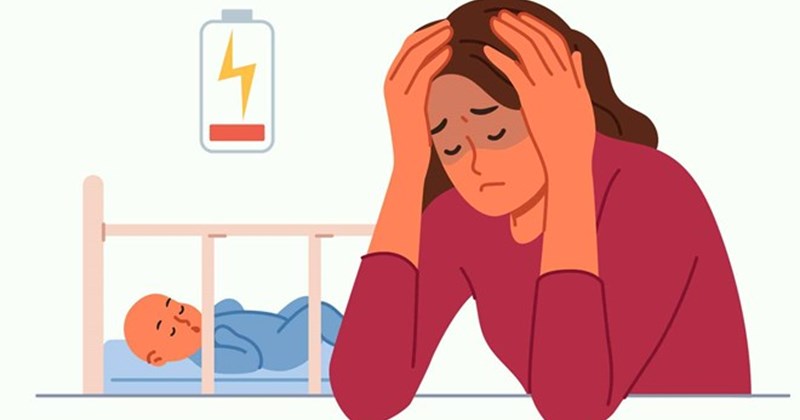
Caring for newborns requires a lot of time and energy, easily causing women to lack sleep and stress. Stress can stimulate the production of cortisol, a hormone related to weight gain. High levels of cortisol can lead to abdominal fat accumulation, increasing the risk of obesity
According to the National Sleep Organization, postpartum women often sleep less than 7 hours per night. Lack of sleep can increase appetite and reduce the ability to control food intake. A <a href="https://healthylife7.com/study-confirms-that-political-gender-bias-is-not-a-u-s-norm/” title=”Study Confirms That Political Gender Bias Is Not a U.S. Norm”>study from the International Journal of Obesity shows that women who lack sleep are at a 30% higher risk of gaining weight
Eating habits
After giving birth, many women do not have enough time and energy to prepare healthy meals, making it easy to choose processed foods. Stress can also lead to emotional eating, causing the amount of food consumed to increase
Lack of physical activity
Limited time and fatigue make it difficult for many women to maintain postpartum exercise habits. According to the Journal of Women’s Health, over 70% of postpartum women cannot maintain previous exercise habits. Lack of exercise reduces calorie intake and can lead to weight gain
Genetic factors
Genetics also affect weight control. According to Nature Reviews Genetics, genetic factors can contribute 40-70% to the risk of obesity. Women with a family history of obesity may have a higher risk of weight gain after giving birth
Dairy production capacity
Some breastfeeding women tend to eat more to ensure milk supply. Breastfeeding women need to supplement about 300-500 calories per day. If calorie intake is not controlled, weight gain may occur

Foods that can supplement vitamin D
Vitamin D is an important nutrient that helps the body absorb calcium, maintain bone health, support the immune system and participate in many other metabolic processes.

People with cirrhosis should not eat this food too much
People with cirrhosis must pay close attention to their diet because this factor plays a very important role in supporting liver activity and limiting complications.

Effects of postpartum depression on mother and baby
Postpartum depression, if not detected and intervened in time, can seriously affect the health of the mother and the development of the child.
