


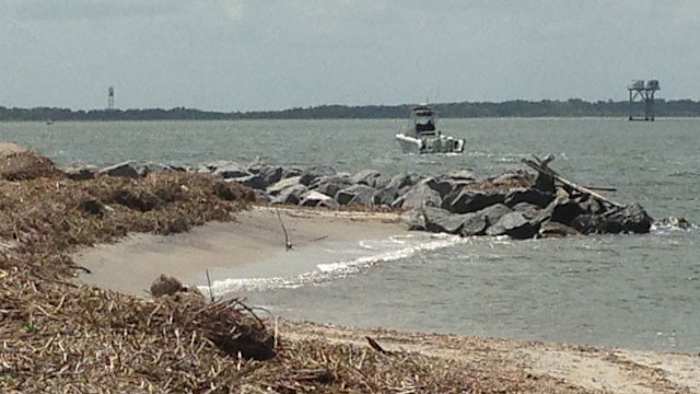
Red Tide Alert issued for Fort George Inlet. What you need to know about potential health hazard
Published: August 10, 2026 at 2:02 PM
The Florida Department of Health in Duval County (DOH-Duval) has issued a health alert for the presence of red tide near Ft. George Inlet
This is in response to a water sample taken on Aug. 6, 2026. The public should exercise caution in and around this area
Residents and visitors are advised to take the following precautions if near the affected area:
- Look for informational signage posted at most public beaches and/or check current water quality status at Protecting Florida Together.
- Do not wade or swim in or around red tide. Red tide can cause skin irritation, rashes, and burning/sore eyes.
- Wash your skin and clothing with soap and fresh water if you have had recent contact with red tide, especially if your skin is easily irritated.
- Remain cautious and stay away from this location, especially if you have chronic respiratory conditions.
- Residents living in beach areas are advised to close windows and run the air conditioner. Make sure the air conditioner filter is maintained according to manufacturer’s specifications.
- Do not harvest or eat molluscan shellfish or distressed or dead fish from this location. If caught alive and healthy, finfish are safe to eat as long as they are filleted, and the guts are discarded. Rinse fillets with tap or bottled water.
- Red tide can cause illness and death of other animals, such as pets and livestock. Keep animals away and out of the water and sea life and away from dead marine life. If your pet swims in waters with red tide, wash them with soap and water as soon as possible.
Red tide is caused by high concentrations of a toxin-producing dinoflagellate called Karenia brevis (K. brevis), a type of microscopic algae found in the Gulf of Mexico
Red tide typically forms naturally offshore, commonly in late summer or early fall, and is carried into coastal waters by winds and currents
At high enough concentrations, K. brevis can discolor water and give it a red or brown hue. To learn more about the appearance of red tide, visit Protecting Florida Together
K. brevis produces potent neurotoxins (brevotoxins) that can be harmful to the humans, pets, fish, and wildlife
Wind and wave action can break open K. brevis cells and release toxins into the air. This is why you should monitor conditions and use caution when visiting affected water bodies
People can experience varying degrees of eye, skin, and respiratory irritation from red tide. Sensitive individuals (e.g., children, the elderly, those who are immunocompromised, and those who have chronic respiratory conditions) may be at risk of experiencing more severe symptoms
For additional information on potential health effects of algae blooms, visit the Florida Department of Health’s harmful algae blooms webpage
The Florida Fish and Wildlife Conservation Commission routinely collects and analyzes red tide samples from around the state
Current information about Florida’s water quality status and public health notifications for harmful algae blooms and beach conditions is available at Protecting Florida Together
You can subscribe to receive notifications when water quality changes in your area
To hear a recording about red tide conditions throughout the state, call the toll-free hotline at 866-300-9399
For local licensed shellfish harvesting status, visit the Florida Department of Agriculture and Consumer Services
- Human Health: Report symptoms from exposure to a harmful algae bloom or any aquatic toxin to the Florida Poison Information Center by calling 800-222-1222 to speak to a poison specialist.
- Animal Health:Contact your veterinarian if you believe your pet has become ill after consuming or having contact with red tide contaminated water.
- Fish Kills:Dead, diseased, or abnormally behaving fish or wildlife should be reported to the Florida Fish and Wildlife Conservation Commission online or at 800-636-0511.
If you have other health questions or concerns about red tide blooms, please call DOH-Duval at 904-253-1280
Copyright 2026 by WJXT News4JAX – All rights reserved
