


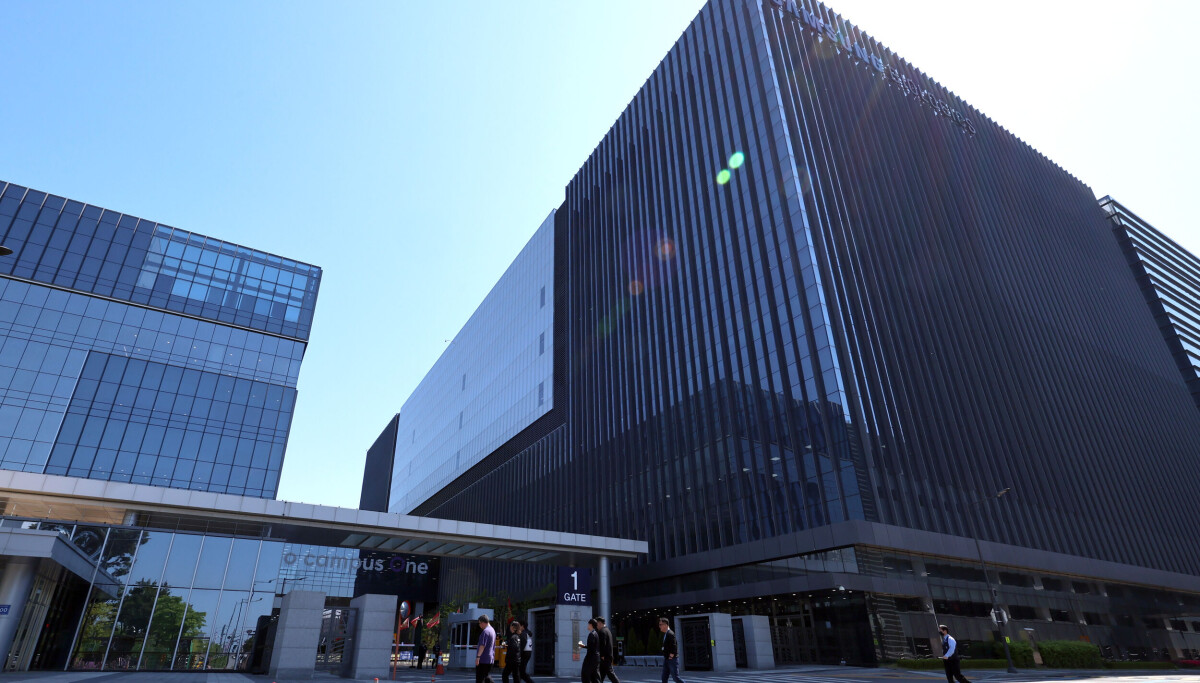
Samsung Biologics is acquiring PolyPeptide, a global peptide contract development and manufacturing organization (CDMO), for about 2.7 trillion won ($1.8 billion) — the largest acquisition in the local pharmaceutical and biotech industry
The deal marks Samsung Biologics’ full-scale entry into the glucagon-like peptide-1 (GLP-1) drug market, which sits at the center of obesity and diabetes treatment, and is aimed at further strengthening its position in the CDMO industry
Samsung Biologics disclosed the acquisition of Swiss-based PolyPeptide in a regulatory filing Monday. The company plans to acquire 100 percent of PolyPeptide through a purchase of shares from its largest shareholder combined with a public tender offer, with the deal expected to close by the end of the year
Related Article
Samsung Biologics union votes to leave pan-affiliate labor coalition
Samsung Biologics, union to return to direct negotiations, but concerns grow of prolonged dispute
Record high scrips for Mounjaro for weight loss raise concern that urgent medical cases will get left out
The acquisition extends Samsung Biologics’ portfolio, built around antibody drugs, messenger ribonucleic acid and antibody-drug conjugates, into peptide medicines
Through the acquisition, Samsung Biologics gains PolyPeptide’s manufacturing facilities, core technologies and skilled work force. It will also secure production bases in Europe, the United States and India, bolstering its global supply chain
PolyPeptide was spun off from Ferring Pharmaceuticals’ peptide manufacturing division in 1996. It operates six manufacturing facilities and research and development centers across five countries
Peptides are short chains of amino acids, and GLP-1 drugs are among their best-known applications. Global drugmakers have also been expanding peptide-based drug development for cancer, immune disorders and neurological diseases
Samsung Biologics reportedly decided to pursue the acquisition in response to the rapidly growing obesity drug market. Global investment banks project the worldwide obesity treatment market could reach as much as $150 billion by 2035
PolyPeptide employs roughly 1,500 specialists and has completed more than 1,000 peptide therapeutic development and manufacturing projects. The company holds industry-leading peptide production process technology and environmentally friendly manufacturing capabilities. Samsung Biologics will also take over PolyPeptide’s existing CDMO contracts
Samsung Biologics will consider further expanding production capacity as demand for peptide medicines grows
“This acquisition is a strategic decision that strengthens our production capacity, business portfolio and global footprint,” said John Rim, CEO of Samsung Biologics. “By combining the capabilities of the two companies, we will provide customers with a broader range of solutions and enhance our competitiveness in the global CDMO market.”
PolyPeptide’s board also said the deal would strengthen the company’s customer services and position in the peptide manufacturing industry
“The addition of Samsung Biologics’ manufacturing capabilities and operational expertise will further strengthen both customer service and our competitive edge in the global peptide CDMO market,” said Peter Wilden, chair of PolyPeptide’s board
BY JEONG JAE-HONG [kim.hayoon1@joongang.co.kr]
