


Lifestyle | Wellness
Serena Williams’ wellness routine: diet, fitness and recovery
By Chonx TibajiaAug 21, 2026
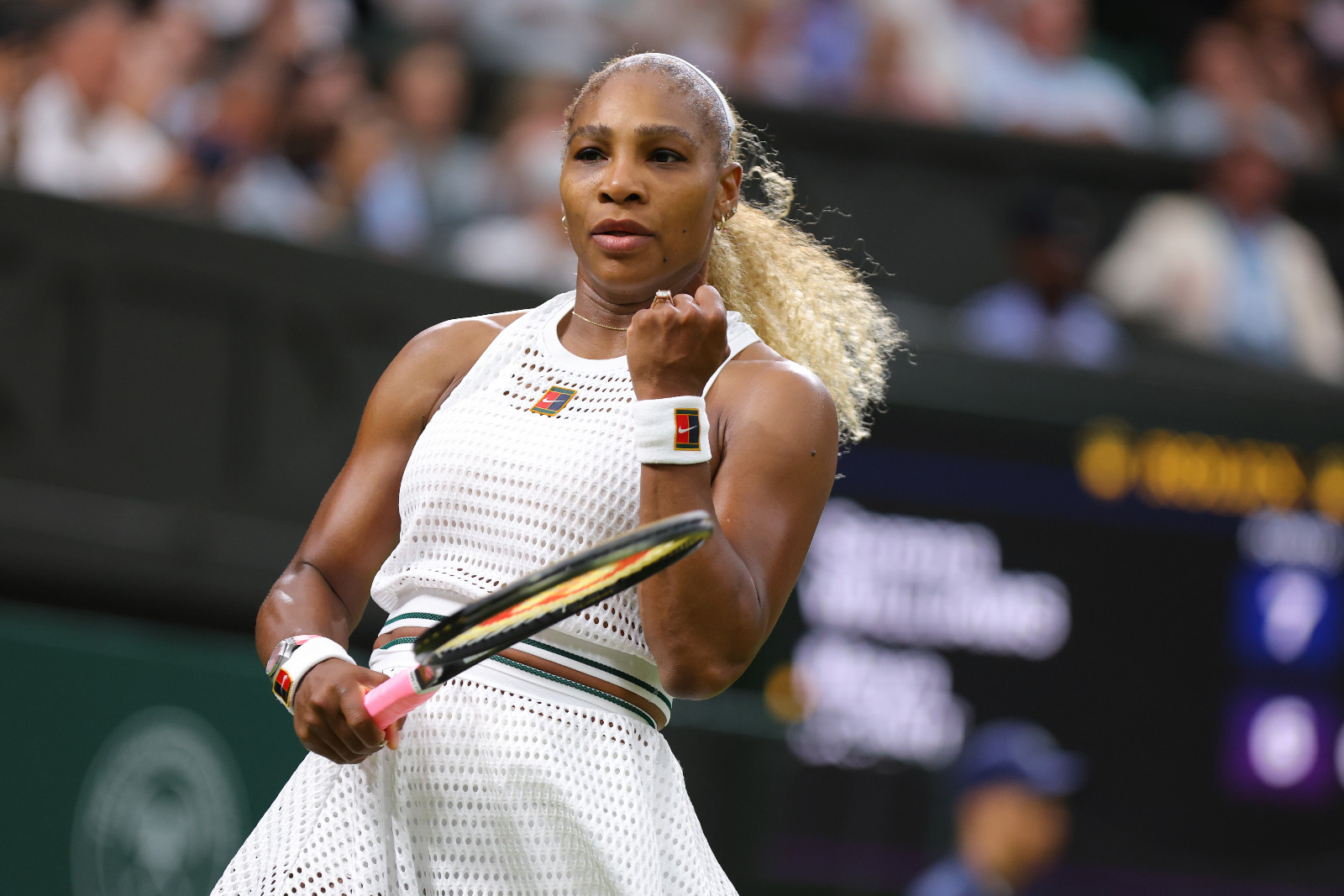
CoverWhat does life after elite sport look like when staying fit is no longer about preparing for the next match? For Serena Williams, the answer involves smart technology, medical support and plenty of practical habits that make wellness easier to keep up with (Photo: Shaun Brooks – CameraSport via Getty Images)
Serena Williams’ wellness routine takes a data-led approach to fitness, nutrition, recovery and long-term health
The way elite athletes look after their bodies has changed considerably in recent years. Instead of relying on strict diets and punishing workouts alone, many now use health data, medical support and convenient nutrition to understand what their bodies need. Serena Williams offers an interesting example of this approach
After retiring from competitive tennis, Williams has continued to prioritise fitness while adapting her routine to everyday life. Her approach combines tools that track how her body responds to food and exercise with medical care, prepared meals, strength and cardio training and a strong focus on hydration. Together, these habits show how modern wellness can be less about extreme discipline and more about paying close attention to the body and adjusting accordingly
Continuous glucose monitoring
One of the more interesting tools in modern wellness is continuous glucose monitoring. Originally developed mainly for people with diabetes, these devices can now also be used to see how the body responds to different foods and activities
Williams has used Lingo, a glucose monitoring system that tracks changes in blood sugar throughout the day. If her levels rise after eating, simple movement such as a short walk or a few bodyweight squats can help. Working muscles use glucose for energy, which can help bring blood sugar back down without the need for a long workout
The idea is surprisingly simple: rather than guessing what works, the technology provides information that can help guide everyday choices
Medical weight management and GLP-1 care
Modern wellness can also include medical care, particularly when it comes to weight and metabolic health. Williams has spoken publicly about working with Ro, a healthcare platform that provides access to medical treatments including GLP-1 medications
GLP-1 medications can help regulate appetite and blood sugar and are used under medical supervision for conditions including obesity and type 2 diabetes. Their use is part of a broader shift towards treating weight management as a health issue rather than simply a question of willpower
For someone with an intense training background, this kind of medical support can sit alongside exercise and nutrition rather than replacing them
Don’t miss: ‘Is Ozempic right for me?’: A look into the weight loss drug that took the internet by storm
Meal prepping for a balanced diet
Eating well can be difficult when a schedule is packed, which is why convenience plays a surprisingly important role in many structured wellness routines. Williams has used prepared meals, allowing her to have balanced food ready without spending time planning, shopping and cooking every meal
Meal prepping can be particularly useful for people taking GLP-1 medications, which can reduce appetite and change how much and how often someone wants to eat. When food is less appealing or portions become smaller, it can be easy to under-eat or miss out on important nutrients, particularly protein. Having balanced, portioned meals ready to go removes some of that decision-making and makes it easier to get enough nutrition even when appetite is low
Some of these meals contain up to 50 grams of protein, which can help support muscle maintenance and recovery after exercise. Pre-portioned meals also make it easier to keep track of what you are eating without resorting to overly restrictive diets
The bigger lesson is practical: when appetite, energy and a busy schedule can all get in the way, having nutritious food ready in the fridge can make healthy eating much easier to stick to
Balanced fitness training and hydration routine
Exercise remains a major part of Williams’ routine, but it is not limited to one type of training. Her workouts combine high-intensity intervals, steady cardio, strength work and stretching
Each serves a different purpose. Cardio helps maintain endurance, strength training supports muscle and power while stretching helps maintain mobility. For a former professional athlete, combining these forms of exercise can help maintain fitness without replicating the demands of a full competitive tennis schedule
Hydration is another important part of the routine. Williams has described aiming for around a gallon of water a day. Staying hydrated is particularly important during exercise because the body loses fluid through sweat, and adequate fluid intake helps regulate temperature and supports normal physical function
Serena Williams’ approach reflects a broader change in how elite fitness is understood. The focus is no longer simply on working harder. It is increasingly about understanding the body, using the right tools and making healthy habits practical enough to maintain over time
NOW READ
Why is everybody talking about fascia? The science behind the wellness trend
Do ear seeds work? Why wellness advocates love this ancient acupuncture practice
Hyrox 2026: the Asian cities leading the fitness-race boom—and how Hyatt is elevating the race-cation
Topics
Serena WilliamsLingo continuous glucose monitorGLP-1 medicationsMeal prepping
Chonx Tibajia is a senior editor at Tatler Asia’s T-Labs team, where she writes widely on lifestyle subjects including beauty, style, entertainment and travel. She has a long career in journalism, including roles as a columnist at The Philippine Star, and is the founder of the creative platform Pineappleversed. Beyond Tatler, her bylines appear in regional lifestyle and business publications, showcasing a broad portfolio that spans beauty trends, travel guides and culture pieces
