


Smartwatch alert leads to discovery of severe heart disease, life-saving robotic surgery
Sun, August 23, 2026 at 11:16 PM
 6VIEW ALL PHOTOS
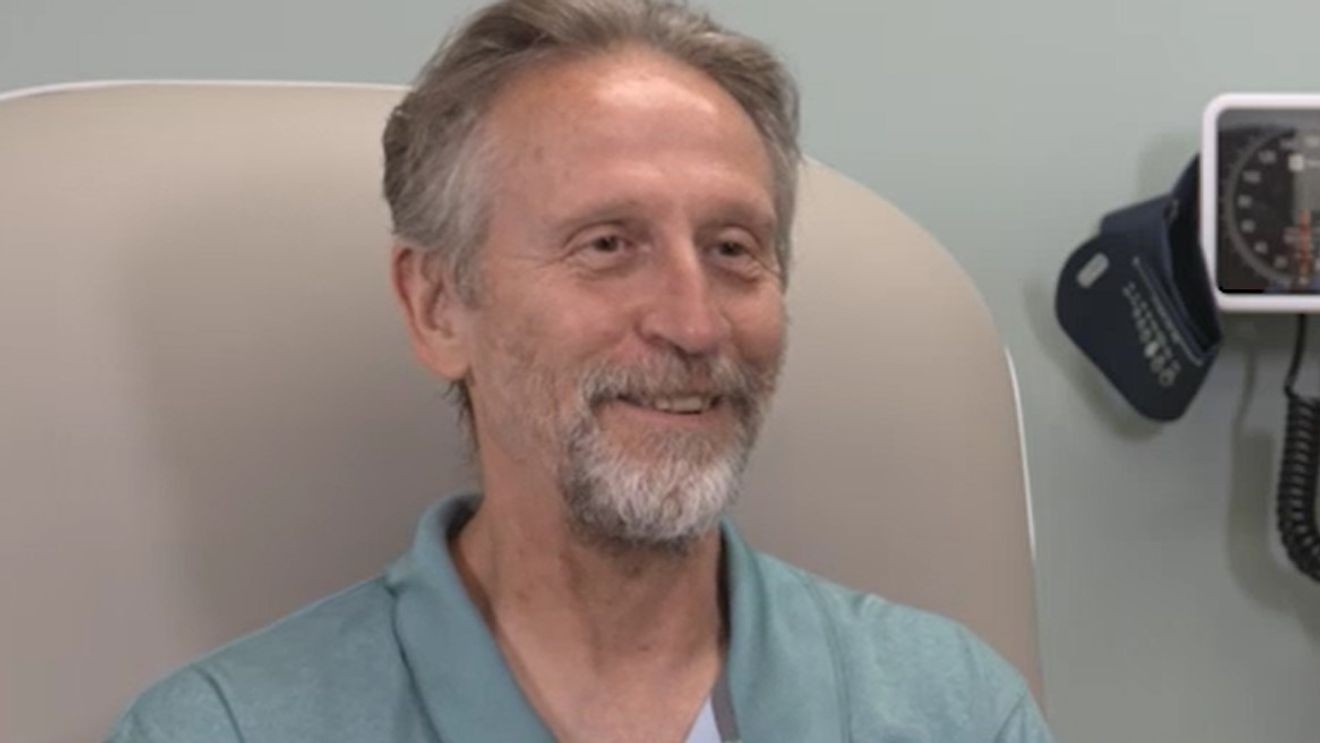
Raul Martin, 64, who considered himself healthy, said an alert from his smartwatch helped reveal a potentially life-threatening heart problem that ultimately led him to undergo an advanced form of robotic bypass surgery. (El Camino Health)
MOUNTAIN VIEW, Calif. (WKRC) — A California man who considered himself healthy said an alert from his smartwatch helped reveal a potentially life-threatening heart problem that ultimately led him to undergo an advanced form of robotic bypass surgery
Raul Martin, 64, regularly walked three to five miles a day, exercised and did resistance training. He was working out at a gym when he noticed his heart racing
(El Camino Health)
His smartwatch showed a heart rate of about 200 beats per minute
“I know that that’s obviously not right,” Martin said. “I grabbed [a security guard]. I said, ‘Hey, I think something’s wrong with my heart.’ And he called the EMTs.”
Martin was taken to El Camino Health, where doctors discovered he had severe coronary artery disease
“The thought of open-heart surgery was, frankly, scary,” Martin said.
Instead of a traditional coronary artery bypass procedure requiring surgeons to divide the breastbone, Martin was offered a robotic-assisted, minimally invasive procedure
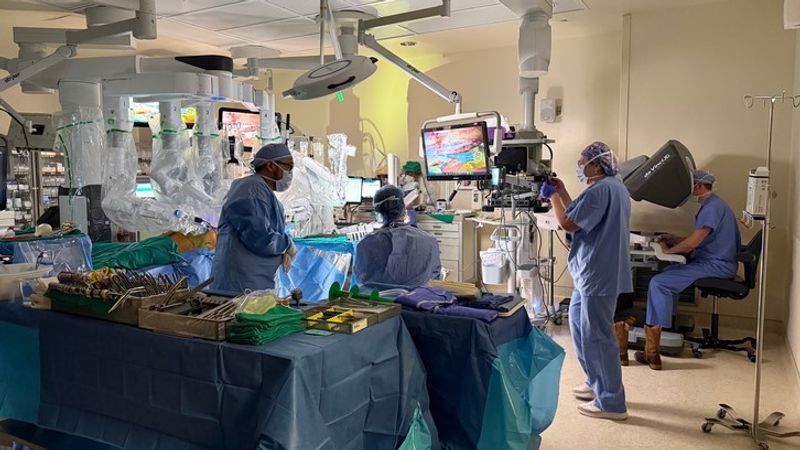
Raul Martin, 64, who considered himself healthy, said an alert from his smartwatch helped reveal a potentially life-threatening heart problem that ultimately led him to undergo an advanced form of robotic bypass surgery. (El Camino Health)
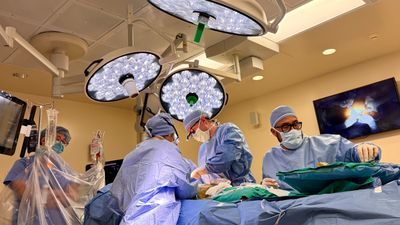
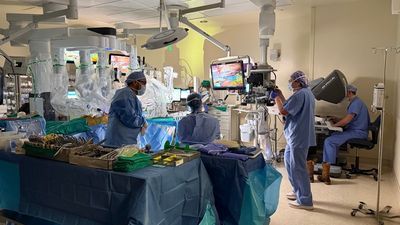
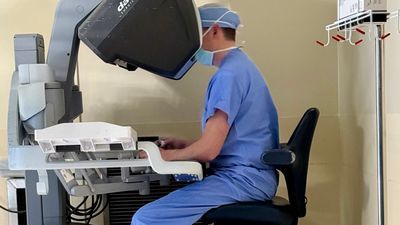
Dr. Nels Carroll performed the surgery at El Camino Health’s Heart and Vascular Institute. The hospital said it is one of relatively few facilities offering the robotic bypass technique
“Minimally invasive approach really flips the script,” Carroll said. “Much less pain, a much faster recovery, much quicker return to work and to activities.”
The robotic procedure is performed through three or four small incisions between the ribs. According to El Camino Health, traditional bypass patients typically remain hospitalized for five to seven days, while patients undergoing the robotic procedure can often leave days sooner
Martin was walking the hospital halls the day after his operation and returned home a few days later
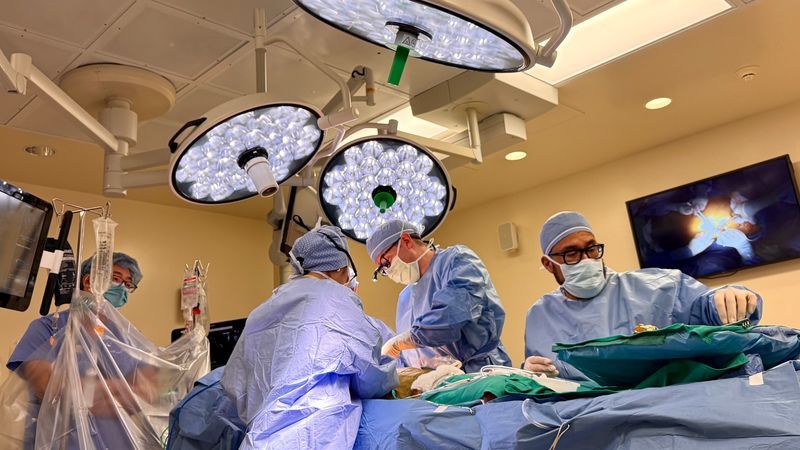
Raul Martin, 64, who considered himself healthy, said an alert from his smartwatch helped reveal a potentially life-threatening heart problem that ultimately led him to undergo an advanced form of robotic bypass surgery. (El Camino Health)
“I’ve never felt better after surgery than after this surgery,” Martin said. “I’d walk for an hour around the floor, and it was kind of funny because nobody could believe it.”
He has since returned to his usual routine
“I feel that puts me on a trajectory to be healthy from a cardiovascular point of view, probably for the rest of my life,” Martin said
