


Add Us On GoogleAdd as a preferred source on Google
State health officials are reminding the public to prepare for potential health hazards ahead of a second storm that could bring another wave of power outages and mental health risks
Dr. Diana Felton, chief of Hawaii Department of Health’s Communicable Disease and Public Health Nursing Division, said the biggest concerns during any storm are preventing injuries, waterborne infections from contaminated floodwaters, respiratory illnesses from indoor mold, carbon monoxide poisoning from backup generators, and dangerous disruptions to chronic medical care and mental health
“If possible, staying off the roads during the bad weather, staying inside, avoiding things that might fall,” she said
Felton added that having medications easily accessible is important
“Have a list of what you take, but also have those medicines, have them in a bag, have them next to you, pretty much at all times,” Felton said. “If you have to leave quickly, you have to evacuate quickly, you really want to have those medications with you, wherever you may go, need to go.”
Several people have gone days without power after the storm, and some remain without it
“Power outages are so difficult, but there are some things that can be done to help,” Felton said. “So charge up all devices now, gather your candles and your light
Felton said people who have medical devices that require power should go to a shelter or to a friend or family member who is either less likely to lose power or has a backup power
She also cautioned residents to use generators safely
“They should never be inside, and they shouldn’t be just outside on a lanai or under a window,” Felton said. “They really need to be away from a home so that the fumes, the carbon monoxide from the generators doesn’t come into the home and cause people to get sick.”
Food safety is another big concern during prolonged power outages
“Thinking about having food available that doesn’t need refrigeration is probably your number one best preparation you can take in the event of power outages,” Felton said
Food may not be safe after a power outage even if it looks or smells normal. DOH advises discarding food that has come into contact with floodwater and any perishable food kept above 40 degrees Fahrenheit
Refrigerated food lasts less than four hours without power. Frozen food lasts up to 24 hours in a half-full freezer and up to 48 hours in a full, unopened freezer. Frozen food that still contains ice crystals and never thawed does not require disposal
Residents should stay out of brown or discolored coastal waters and streams. DOH recommends staying out of affected waters for 48 to 72 hours after rain has stopped and after the beach has received full sunshine
You’re also advised against wading or swimming in stormwater runoff or floodwater, and against drinking from freshwater streams or ponds, which can contain the bacteria that causes leptospirosis. People who come into contact with floodwater should wash exposed skin with soap and clean water as soon as possible, use alcohol-based wipes or sanitizer if clean water is unavailable, clean and cover wounds and seek medical care if needed, and wash contaminated clothing in hot water with detergent before reuse.
Standing water after flooding can increase mosquito populations. Drain standing water from containers, tarps, gutters and catchment systems, covering water storage containers, using EPA-registered insect repellent, wearing protective clothing and repairing window and door screens
Mosquitoes in Hawaii can carry diseases such as dengue, chikungunya and Zika, though the department said these diseases are not currently present in Hawaii
Electric or hybrid vehicle batteries submerged in floodwater may be damaged. A damaged battery might show signs such as smoke or unusual noises, but sometimes there are no obvious warning signs
DOH advises against charging or driving a vehicle with a suspected damaged battery until it has been inspected by a dealer or certified EV or hybrid mechanic, and against storing the vehicle indoors or near buildings because it could catch fire or release hazardous gases
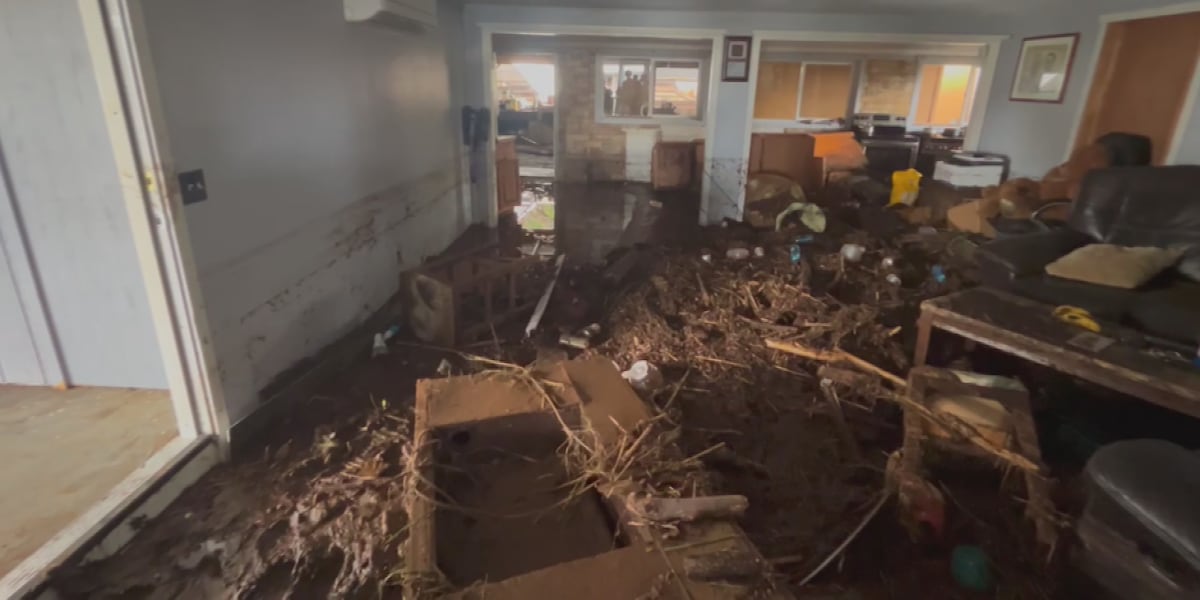
Mold growth can begin quickly after flooding. Wear protective gear such as gloves, N-95 masks, boots and eye protection during cleanup, lightly spraying moldy surfaces with a soapy solution before cleaning to reduce airborne particles, cleaning with soap and water, then disinfecting with a bleach solution of 1 cup bleach to 1 gallon of water
Windows and doors should be opened before cleaning and the room aired out afterward
Bleach should never be mixed with cleaning products containing ammonia
Surfaces should have at least 15 minutes of contact time with the bleach solution before being rinsed and dried
Materials that cannot be safely cleaned, including carpets, mattresses, upholstery and other porous items wet for more than 24 to 48 hours, should be discarded
Health officials suggest seeking medical attention for signs of wound infection, including redness, swelling, drainage or fever; persistent cough, wheezing or breathing difficulty; vomiting, diarrhea or stomach pain after exposure; or fever, headache, rash or joint pain after mosquito bites or floodwater exposure. A tetanus booster may be recommended for contaminated wounds
Felton said mental health is also a significant concern during this time
“I think the most important thing is that we really openly acknowledge how difficult this time is, and this is a difficult time, especially for people who have lost much during the storms, but for everyone, everyone involved,” Felton said. “Seeing places you love be damaged, worrying about yourself, your family, your home, your business, this is really, really difficult time, and the mental health impacts of events like this are really serious and need to be taken seriously.”
Felton encouraged people to manage stress in whatever way works for them, including taking a breath, staying connected to family and friends, and checking on neighbors
She also cautioned against overexposure to storm-related news and social media
“We strongly recommend people stay prepared, stay alert and aware of what’s going on, but be really careful about overload and image overload and social media overload and disaster overload,” Felton said, adding that limiting exposure to distressing images and constant storm coverage, even briefly, can help people reset and focus on taking care of themselves and their families
Recovery after flooding can be emotionally taxing, according to the department. People experiencing anxiety, depression or trauma-related symptoms can seek support through Hawaii CARES, available 24/7 by calling or texting 988
More information is available at health.hawaii.gov/response-center/emergency/hurricane-preparedness
Copyright 2026 Hawaii News Now. All rights reserved
