


It’s never too early to start protecting your bone health. The body reaches peak bone density around age 30. After this point, bones gradually become weaker with age
Bone density refers to how porous our bones are, measured by the amount of calcium and other minerals. Think of your bones as a sponge, Dr. Ian Smith, physician and author of “Eat Your Age,” tells TODAY.com
The less bone mineral density, the more holes and gaps, Smith explains. As we age, this raises the risk of osteoporosis
Bone loss can start as early as your 20s, says Smith. That’s why it’s important to start “feeding” our bones as early as possible. Here are the foods, and nutrients, to prioritize:
Nutrition Tip of the Day: Eat Foods Rich in Calcium andVitamin D to Protect Bone Density
“I think everyone understands that calcium is important for bones. But what people often don’t understand, or miss out on, is the importance of vitamin D,” says Smith
Calcium helps build strong bones and teeth, but vitamin D helps the gut absorb it. “If calcium is the bricks, vitamin D is the delivery truck that gets it where it needs to go,” says Smith
The topcalcium-fortified plant milks and soy. The foods highest in vitamin D include fatty fish and fortified milk
Here are the top foods Smith recommends to protect bone density:
- Yogurt
- Milk
- Soy milk
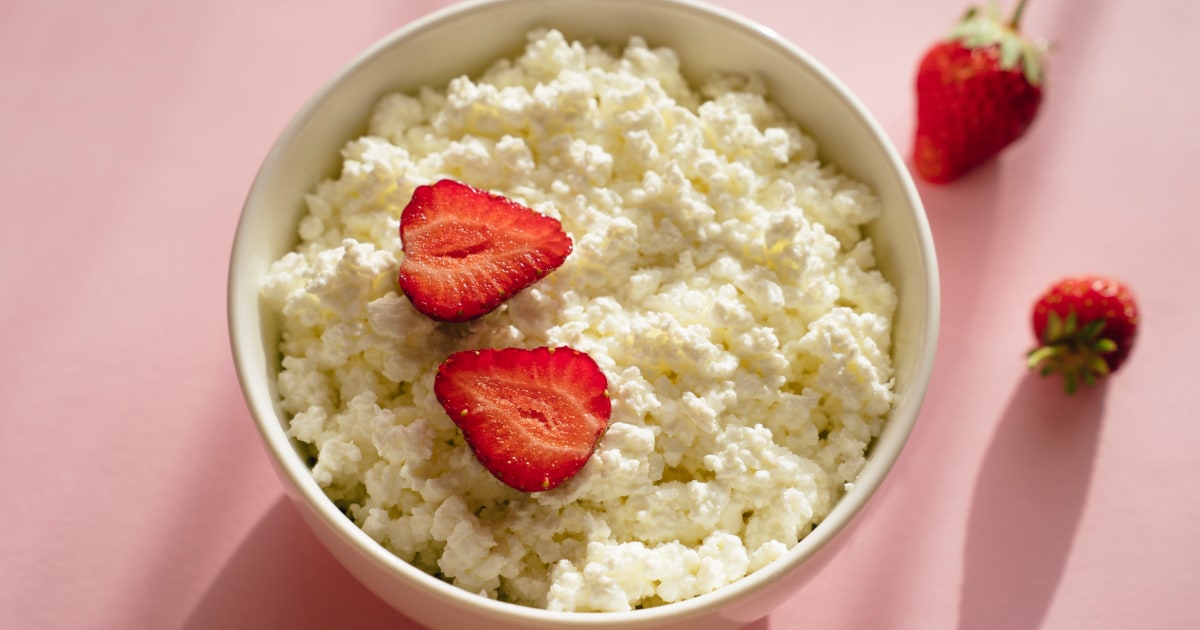
- Cottage cheese
- Salmon
- Sardines
- Tofu
“You don’t have to eat these together, you can have them separately, and it doesn’t matter what time of the day, as long as you’re getting them both in,” says Smith
Why It Matters
“Your bones are living tissue. If you don’t feed them and support them, they weaken,” says Smith
A common mistake Smith sees people make is only increasing calcium intake for bone density, without getting more vitamin D to absorb and use the mineral — and most Americans already fall short on the sunshine vitamin. (About one-third of adults in the U.S. are deficient in vitamin D, per the Cleveland Clinic.)
If you eat calcium-rich foods without sufficient vitamin D levels, the body can only absorb 10-15% of the calcium. “If you have adequate amounts of vitamin D, that calcium absorption increases up to 40%,” says Smith
“Calcium and vitamin D are partners in maximizing bone health,” says Smith. That’s why it’s crucial to prioritize both in your diet, especially in midlife
Compared to supplements, whole foods provide other nutrients that promote bone density, including protein, magnesium, vitamin C and vitamin K, says Smith
How to Get Started
Most people should aim to consume 1,000 milligrams of calcium per day, but women over 50 and adults over 70 need 1,200 milligrams per day, per the National Institutes of Health
The recommended intake for vitamin D is 15 micrograms (600 IU) for adults and 20 micrograms (800 IU) for adults ages 70 and older
It’s possible to get enough calcium and vitamin D from food alone, Smith says. If you have concerns, talk to your doctor
Here are some meal ideas to get you started:
- Smoothie with yogurt, milk and fruit
- Canned sardine salad
- Roast salmon with creamed spinach
- Tofu veggie stir fry
- Labneh toast with smoked salmon
TODAY’s Expert Tip of the Dayseries is all about simple strategies to make life a little easier. Every Monday through Friday, different qualified experts share their best advice on diet, fitness, heart health, mental wellness and more
