


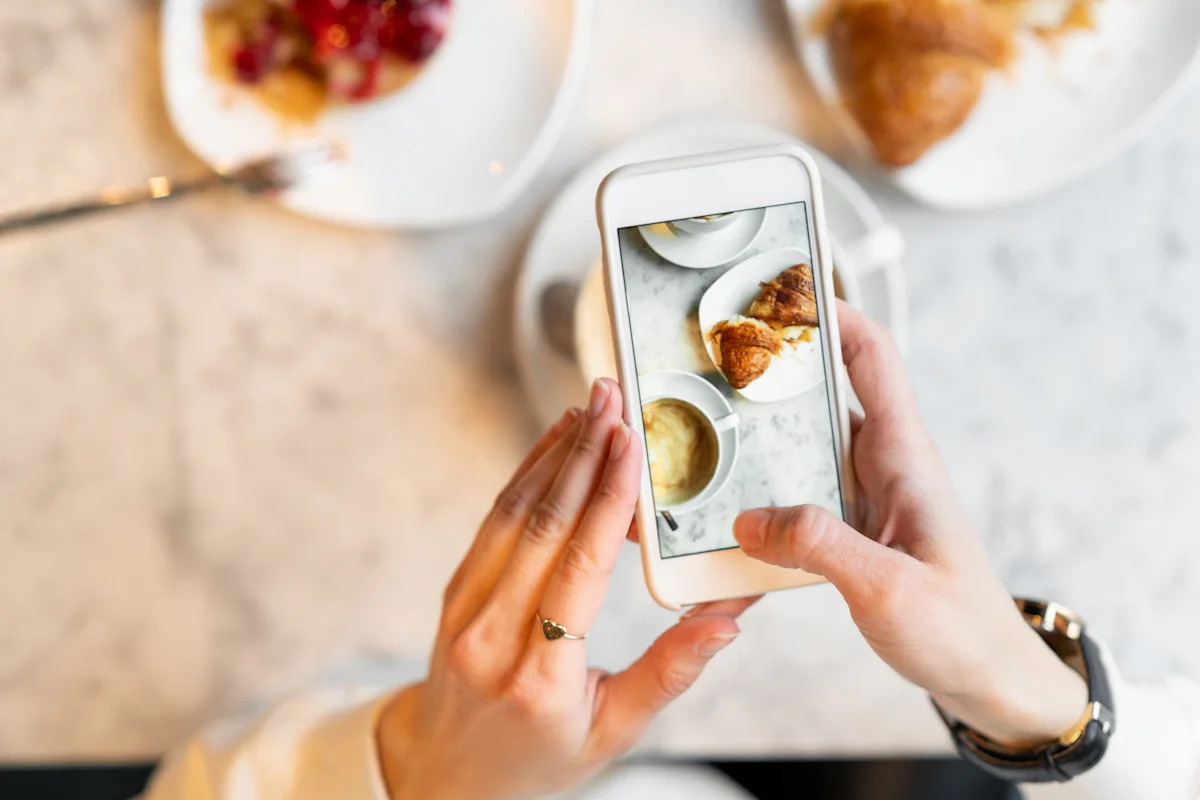
powered food tracking promises to simplify one of nutrition’s most tedious tasks: Logging what you eat. Just snap a photo, and the app estimates the meal’s nutritional breakdown. But new research suggests those estimates may not always be as accurate as users expect
Researchers found that four popular AI-powered food-tracking apps consistently underestimated the calories and fat in meals—sometimes by hundreds of calories
AI calorie trackers are convenient—but are they accurate?
Photo-based calorie tracking uses artificial intelligence to identify foods in an image, estimate portion sizes and compare them with nutrition databases to calculate calories and nutrients. Without involving food scales or scanning labels, it makes tracking a whole lot easier
Advertisement
“Photo-based calorie tracking apps are very popular, especially for people trying to manage their health or lose weight,” said Aaron Hengist, a postdoctoral visiting fellow with the Intramural Program of the National Institute of Diabetes and Digestive and Kidney Diseases (NIDDK), part of the National Institutes of Health. “However, the accuracy of many of these apps has not been thoroughly evaluated. Our study helps address this question by looking at whether these apps can reliably estimate calories.”
The research was presented by Olillow at NIDDK, during NUTRITION 2026, the annual meeting of the American Society for Nutrition, held July 25–28 in National Harbor, Maryland
Researchers tested four popular apps against meals with known nutrition
To see how well the apps performed, researchers took advantage of an ongoing nutrition study at the NIH Clinical Center, where every meal is prepared in a controlled metabolic kitchen
Advertisement
Because each ingredient is weighed to the nearest 0.1 gram, researchers knew the exact calorie and nutrient content of every meal before photographing it
They photographed 102 meals and uploaded the images to four popular apps then compared each app’s estimates with the meals’ actual nutritional values
“By using meals prepared in a tightly controlled metabolic kitchen, we were able to compare the apps’ estimates against a precise reference,” said Hengist in a release about the research. “This kind of direct, high-quality comparison hasn’t been available before.”
The apps underestimated calories by hundreds per meal
Across all four apps, calorie estimates came in about 250 to 345 calories lower per meal than the meals’ actual calorie counts
Advertisement
Fat estimates also missed the mark, coming in roughly 30 grams lower on average
Some apps performed better with higher-calorie meals than lighter meals, while all four apps were generally more consistent when estimating carbohydrates than fat or other macronutrients
“People using a photo-based tracking app without adjusting the portions or entering the amounts of food should take the results with a grain of salt,” said Hengist. “These apps tend to underestimate calories, especially from fats, so what they actually ate is likely higher than what the app shows.”
Read More:Want to lose weight without eating less? Dietitians say this volume strategy can help.
Why ketogenic meals may trip up AI
The team then expanded the study to include more than 200 additional meals to see what factors influenced the apps’ accuracy
Advertisement
Early findings suggest that meals from a low-carbohydrate ketogenic diet may be especially difficult for AI to evaluate because they’re typically higher in fat—the nutrient the apps most consistently underestimated
The researchers say photo-based tracking can still be a useful tool, but it may work best when combined with traditional food logging or manually adjusting portion sizes instead of relying entirely on AI
The findings are considered preliminary because they were presented at a scientific meeting and have not yet undergone the full peer-review process required for publication in a medical journal
Tips for accurate calorie counting
Whether you’re managing a health condition, training for a race, trying to make sure you’re eating enough protein, or simply curious about your nutrition, calorie tracking has become easier than ever. But if you’re relying on AI to estimate what’s on your plate, there are a few ways to make your tracking more accurate
Advertisement
Measure portions instead of eyeballing them. A food scale or measuring cups can be much more accurate than estimating serving sizes
Use AI estimates as a starting point. Photo-based apps can be convenient, but they’re not always precise—especially for mixed dishes or restaurant meals
Don’t forget cooking fats and condiments. Olive oil, butter, salad dressings, mayonnaise, and sauces can add more calories than you might think
Look up restaurant nutrition information when it’s available. Many chain restaurants publish calorie counts online or on their menus
Be realistic about homemade meals. If you’re cooking from scratch, adding up the ingredients in the entire recipe and dividing by the number of servings can provide a more accurate estimate
Focus on consistency over perfection. No tracking method is exact. Logging meals the same way over time is often more useful than trying to calculate every calorie with complete precision
Pay attention to hunger and fullness, too. Calorie tracking can be one tool for understanding your eating habits, but it’s not the only measure of a healthy diet

Brittany Anas Creator
Brittany Anas is an award-winning journalist covering all the sweet things in life, from travel to home to food and beverage. She is based in Denver, Colorado.
Creators are not employed by Yahoo. Views expressed by creators do not reflect the opinions and position of Yahoo.Learn how to become a creator.
