Aug 21, 2026
Ticks increasingly threaten the health and livelihood of ranchers
Ticks are spreading in the U.S., and carrying diseases like Lyme and alpha-gal syndrome, which causes an allergy to red meat. That could cost the livestock industry billions
Agricultureby Caitlin Tan
Download
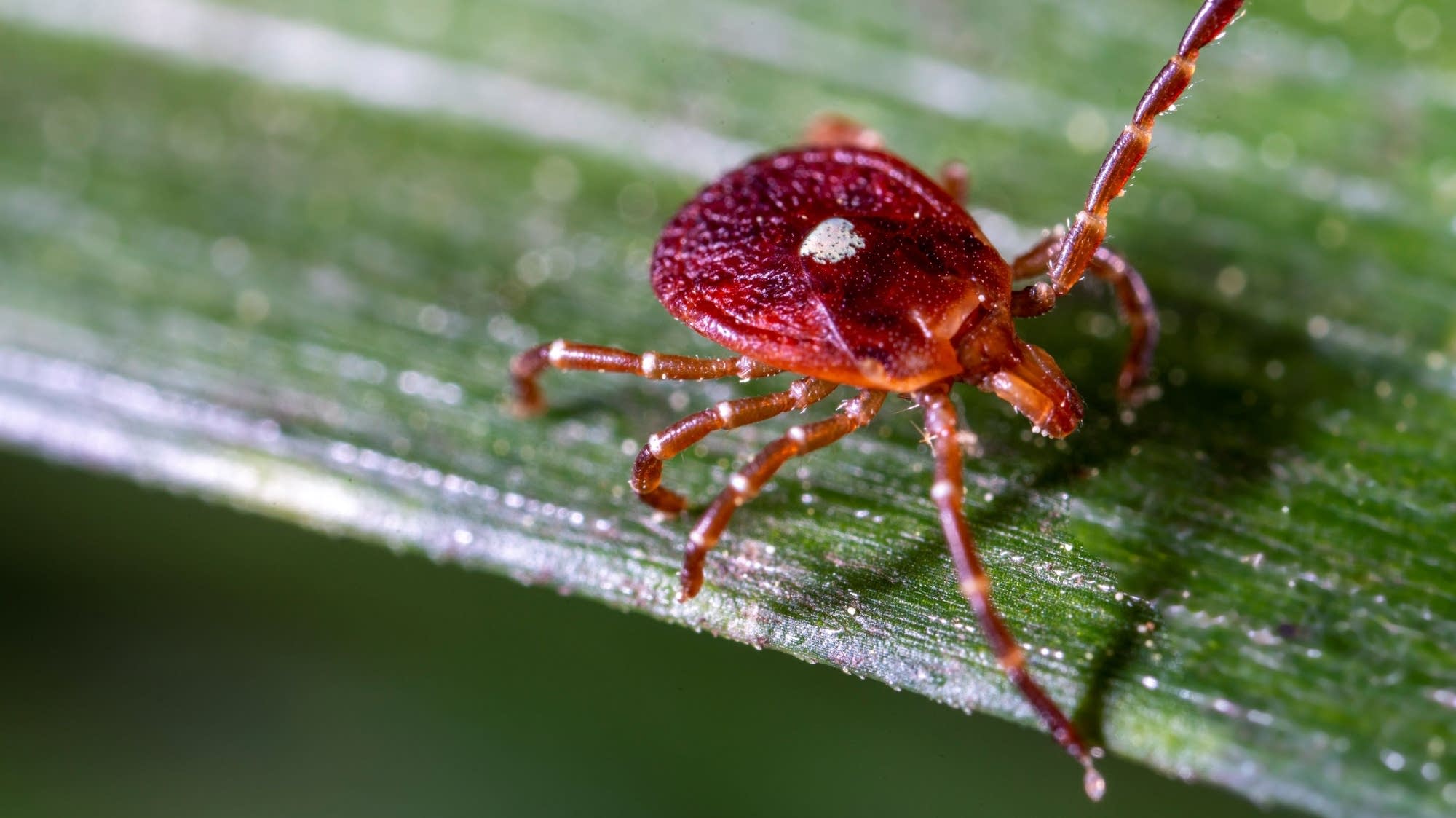
The New York Times is reporting that certain parts of the country are about to be hit with a massive new hatch of lone star ticks
Those are the much more aggressive ticks that can give you alpha-gal syndrome — the dangerous red meat allergy. Those creepy crawlies can have serious costs. There’s the toll on public health and mental wellbeing and lost tourism in tick hot spots. But livestock and agriculture take a spendy hit too
Biology Professor Holly Gaff leads Old Dominion University’s tick lab. And she’s bracing for the hatch
“You do get these larval bombs,” Gaff said. “It sounds awful — and is pretty awful.”
Yes: tick larval bombs. Gaff said they look like pepper
“And then imagine if each pepper flake has legs and starts to walk off,” she said
Onto a person. You can try getting them off with a lint roller — that’s a tip from Becky Trout Fryxell, professor of medical and veterinary entomology at the University of Tennessee. She’s a tick expert
“When I was in graduate school, it was listed as one of the top five worst jobs in the country,” Fryxell said
That’s because of the disease risk. With climate change, ticks — and their germs — are exploding into more areas. One study said it’s easily a $13 billion hit to the livestock industry. Shaun Cross, a public health professor at University of Nebraska Medical College said ranchers can be particularly vulnerable
“It’s not so much of, ‘Oh, I take some medical leave,’” Cross said. “It’s, ‘If I’m not in the field, or I’m not doing whatever it may be, this is impacting my livelihood.’”
Especially with alpha-gal syndrome, which causes that red meat allergy. That’s a big problem if a rancher is delivering a calf
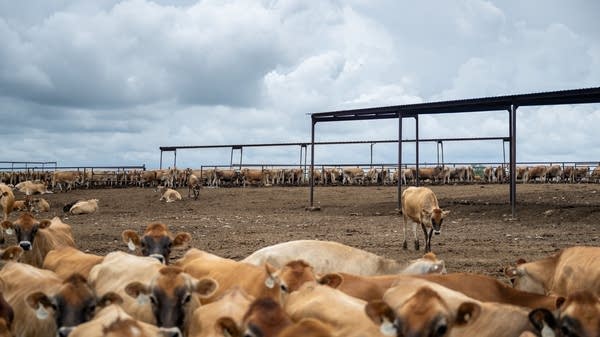
“The fluid from the cattle could trigger an allergic reaction,” said Scott Commins, a medical doctor at the University of North Carolina allergy clinic. “We’ve seen some people where they’ve transitioned their cattle farm to now they’re raising emu and ostrich.”
Apparently emu and ostrich taste a bit like beef. And they’re alpha-gal safe

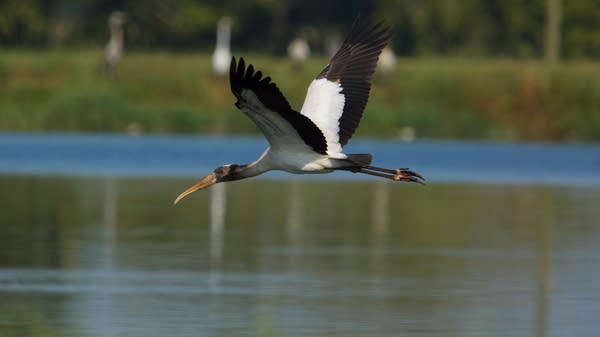
An Alabama cattle farm with a bird-tourism side hustle
My Economy
Meatpacking plants close as U.S. cattle herds shrink to a nearly 75-year low
Agriculture
Peaches pay the bills for Western Colorado farmers, but drought makes their future uncertain
Agriculture