


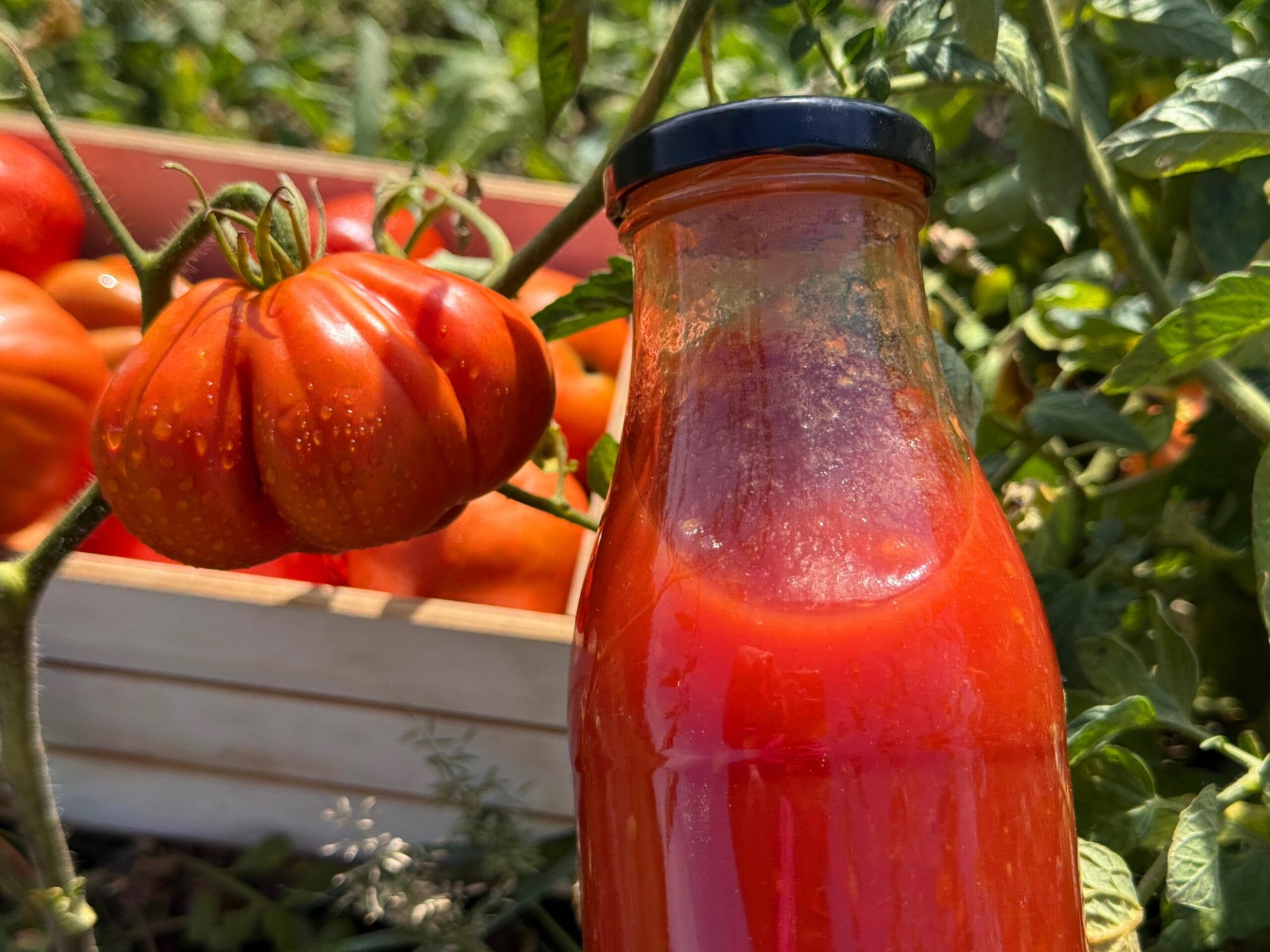
Tomato-soy juice study shows promise in reducing inflammation
Tomato-soy juice rich in lycopene and isoflavones may reduce inflammation in adults with obesity, study finds
Written By: Hannah Shavit-Weiner/
Edited By: Joseph Shavit
Published Jul 14, 2026 11:07 AM PDT
A new study finds tomato-soy juice may lower key inflammation markers, offering promise as a simple diet-based health intervention. (CREDIT:
Chronic inflammation often works quietly, shaping disease long before symptoms appear. It sits beneath conditions like obesity, heart disease, and cancer, slowly affecting how the body functions. A new study suggests that a simple dietary change, rooted in plant-based foods, may help calm that hidden process
Researchers at The Ohio State University found that a tomato-soy juice rich in key plant compounds reduced markers of inflammation in adults with obesity after four weeks. The findings highlight how targeted food combinations may influence human health in measurable ways
Lead author Jessica Cooperstone, an associate professor of horticulture and crop science, framed the central question clearly. “The idea is, can we use food-based interventions to modulate inflammation?” she said
Understanding The Roots Of Inflammation
Inflammation serves a vital role in the body. It helps fight infection and repair damage. But when it lingers, it can harm tissues and increase disease risk
Obesity often comes with this long-term, low-level inflammation. The body releases signaling proteins called cytokines. These molecules help regulate immune responses, but elevated levels can indicate ongoing stress within the system
Doctors often track specific cytokines to measure inflammation. High levels of these proteins have been linked to metabolic disease, cardiovascular issues, and other chronic conditions
Diet plays a key role in shaping these responses. Fruits, vegetables, and plant-based foods contain natural compounds that may help reduce inflammation. Among them, two have drawn particular attention, lycopene and soy isoflavones
Why Tomatoes And Soy Matter
Lycopene gives tomatoes their deep red color. It belongs to a group of plant compounds known for antioxidant activity. Soy isoflavones, found in soybeans, can mimic certain hormone-like effects in the body
Both compounds have been studied for years. Research has linked diets rich in tomatoes or soy to lower risks of diseases, including some cancers. Earlier work suggested that combining these foods might enhance their effects
Scientists at Ohio State developed a tomato-soy juice to test this idea. The drink uses tomatoes bred to contain high levels of lycopene, paired with concentrated soy isoflavones
Previous studies hinted at benefits, including changes in prostate-related markers. The new research aimed to examine whether this combination could reduce inflammation in people
Inside The Clinical Study
The study followed 12 adults with obesity over several weeks. Each participant consumed two six-ounce servings of juice daily for four weeks
The trial used a crossover design. Participants first consumed the tomato-soy drink, then switched to a control tomato juice after a washout period. The control juice contained minimal carotenoids and no soy compounds
Researchers collected blood samples before and after each phase. They measured cytokines to assess inflammation. They also analyzed urine samples to study metabolic changes
This approach allowed the team to compare how the body responded to each type of juice under controlled conditions
Clear Changes In Blood Markers
After four weeks of drinking the tomato-soy juice, participants showed meaningful reductions in several inflammatory proteins
Levels of interleukin-5, interleukin-12p70, and granulocyte-macrophage colony-stimulating factor decreased significantly. These cytokines play roles in immune signaling and inflammation
Another marker, tumor necrosis factor alpha, also declined, though the change did not reach statistical significance
These reductions did not appear during the control phase. This suggests that the combination of lycopene and soy isoflavones drove the observed effects
Cooperstone emphasized the importance of measuring these changes directly. The study aimed to move beyond general claims about anti-inflammatory foods and test their effects in a controlled setting
Evidence From Metabolic Changes
The research also explored how the body processed the drink. Urine samples revealed shifts in metabolites, which are small molecules created during digestion and metabolism
Some changes appeared in both the tomato-soy and control phases, showing that tomatoes alone have biological effects. However, the tomato-soy drink produced distinct patterns linked to soy isoflavones
Certain metabolites increased sharply, reflecting how the body absorbed and processed these compounds. These shifts suggest that the drink influenced biological pathways beyond simple nutrient intake
The findings also point to the role of gut bacteria. Some metabolites form when microbes break down food compounds. This highlights the complex relationship between diet, the microbiome, and health
Not All Foods Act The Same
One key takeaway from the study is that food choices matter, not just overall quantity. Many people assume that eating fruits and vegetables automatically provides all necessary benefits
This research suggests otherwise. Specific compounds, and the foods that contain them, can have targeted effects on the body
Lycopene and soy isoflavones appear to work together in ways that reduce inflammation. The combination may be more effective than either component alone
The results also show that whole foods contain multiple active compounds. Even the control tomato juice caused some metabolic changes, indicating that foods often act through several pathways
Limits And Next Steps
The study offers promising results, but it has limits. The sample size was small, with only 12 participants. Larger studies will be needed to confirm the findings
Researchers also note that the study focused on short-term changes. It did not measure long-term health outcomes, such as reduced disease risk or improved quality of life
To build on this work, the team has received funding from the National Institute of Diabetes and Digestive and Kidney Diseases. A new clinical trial will test whether the same tomato-soy drink can reduce inflammation in patients with pancreatitis
Cooperstone highlighted the broader goal of this research. Understanding how food affects biology requires careful testing, not assumptions
A Growing Focus On Functional Foods
The concept of functional foods continues to gain attention. These are foods designed to provide health benefits beyond basic nutrition
The tomato-soy drink fits into this category. It combines natural ingredients in a way that targets specific biological processes
Researchers hope such approaches could offer simple, accessible ways to support health. Instead of relying only on medications, diet could play a more active role in managing conditions
At the same time, experts caution that no single food can solve complex health problems. Diet works best as part of a broader approach that includes lifestyle and medical care
Practical Implications Of The Research
This study suggests that targeted food combinations may help reduce inflammation, a key driver of many chronic diseases. If confirmed in larger trials, these findings could influence how dietary recommendations are developed
Rather than focusing only on general guidelines, such as eating more fruits and vegetables, future advice may emphasize specific foods and compounds. This could lead to more precise and effective nutrition strategies
The research also highlights the potential for food-based interventions in clinical settings. For patients with conditions like pancreatitis, dietary approaches could complement existing treatments and improve quality of life
Beyond individual health, the findings may guide future studies on the role of diet in disease prevention. They also reinforce the importance of testing food effects through rigorous clinical trials
Ultimately, the work points to a broader shift in how people think about food. It is not only fuel, but also a tool that can shape biological processes and long-term health
Research findings are available online in the journal Molecular Nutrition & Food Research
The original story “Tomato-soy juice study shows promise in reducing inflammation” is published in The Brighter Side of News
- UCLA researchers discover key driver of fatty liver disease, inflammation and aging
- Scientists find a natural ‘off switch’ for inflammation in humans
- Scientists create skin graft health monitor that glows in response to inflammation
Like these kind of feel good stories? Get The Brighter Side of News’ newsletter
Global Good NewsHealth NewsInflammationinflammation and healingNew DiscoveriesObesityResearchSciencesoybeanstomato juiceTomatoes
Hannah Shavit-WeinerWriter
Hannah Shavit-WeinerMedical & Health Writer
Hannah Shavit-Weiner is a Los Angeles–based medical and health journalist for The Brighter Side of News, an online publication focused on uplifting, transformative stories from around the globe. Having published articles on AOL.com, MSN and Yahoo News, Hannah covers a broad spectrum of topics—from medical breakthroughs and health information to animal science. With a talent for making complex science clear and compelling, she connects readers to the advancements shaping a brighter, more hopeful future.
Latest Stories
 AIScientists use AI to search for the next generation of ultra-powerful magnetsShy Cohen
InnovationsWorld’s first superconducting quantum heat engine looks to transform quantum computingJoseph Shavit
 HealthNo proteins required: Newly discovered enzyme can hunt and mend broken RNAMac Oliveau
