


Next-gen nutrition: Reshaping livestock resilience in a changing climate
Livestock producers are operating in an increasingly complex environment. Climate variability, heat stress, emerging disease threats, antimicrobial resistance, and mounting sustainability expectations are placing unprecedented pressure on production systems
Tony McDougalFreelance journalist
Jul 14
News
Strategic role for nutrition
Researchers increasingly argue that nutrition must move beyond the traditional role of meeting nutrient requirements and instead become a strategic tool for improving resilience, productivity and environmental performance. Recent advances in postbiotics, functional amino acids, nutritional epigenetics, nanotechnology and artificial intelligence are helping to redefine what is possible in animal feeding
Climate impacting livestock
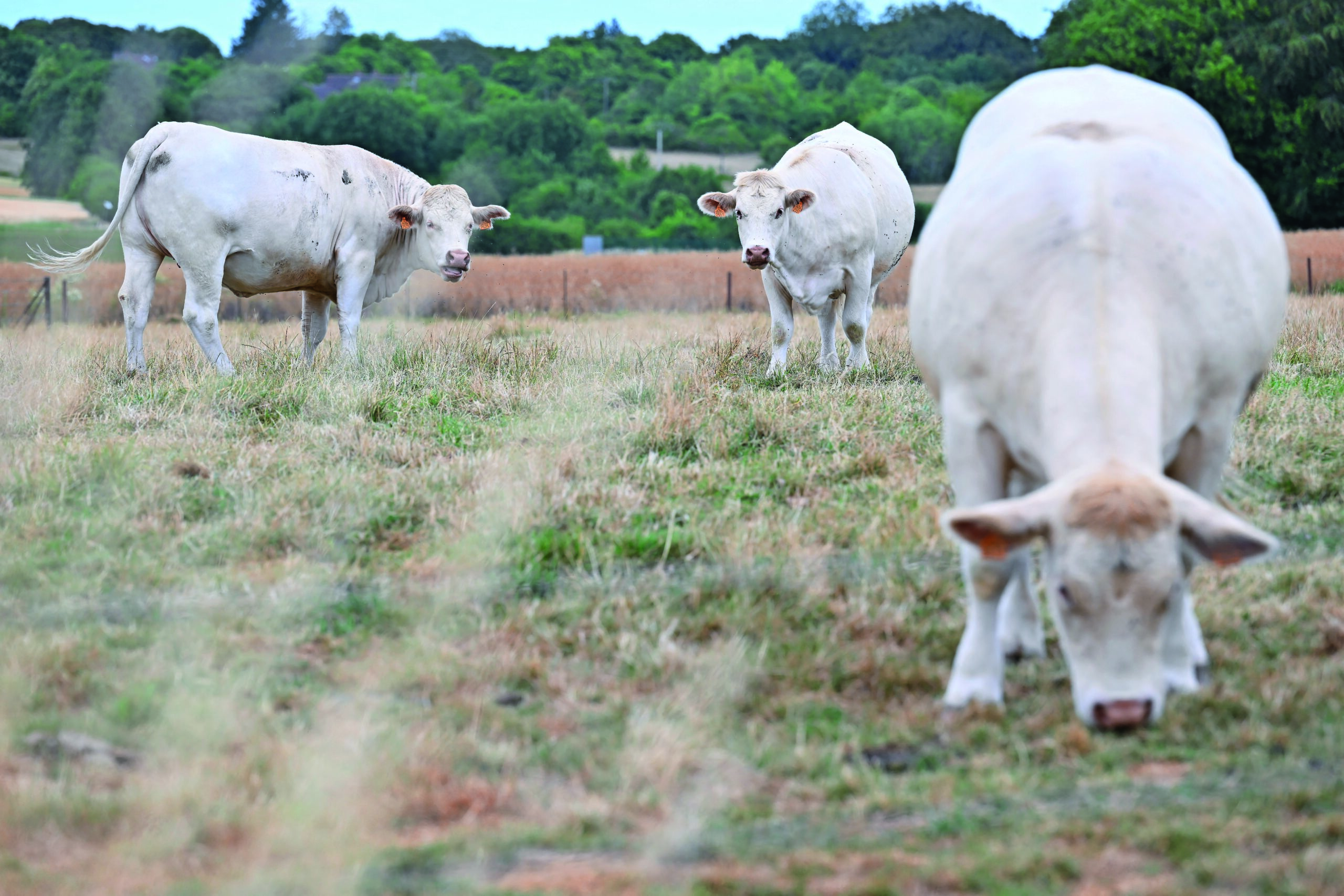
According to emerging research, climate change affects livestock through both direct and indirect pathways. Heat stress can disrupt metabolism, immunity and reproductive performance, while changing weather patterns influence feed availability, water resources and disease dynamics. Extreme events such as droughts, floods and wildfires are further exposing the vulnerability of intensive production systems. These pressures are driving renewed interest in nutritional solutions capable of helping animals cope with increasingly challenging production conditions.
- El Niño threatens global agriculture: Which are the highest-risk regions?
- FAO, Rein Paulsen: “Supporting agriculture is one of the strongest tools”
- World Bank urges Morocco to allow rendered animal proteins in aquafeeds
Limits of current models
At the same time, scientists acknowledge that existing nutritional models have limitations. Traditional feeding systems often struggle to account for dynamic interactions between energy and protein metabolism, mineral bioavailability, microbial protein synthesis and environmental stress. As a result, researchers are exploring more precise and biologically informed approaches to nutrition
Postbiotics redefine feeding approaches
One of the most promising developments is the growing interest in postbiotics. Unlike probiotics, which rely on live microorganisms, postbiotics consist of microbial metabolites and inactivated microbial components, including short-chain fatty acids, peptides, bacteriocins, enzymes, vitamins and organic acids. These compounds act as bioactive signalling molecules that interact directly with immune and metabolic pathways
Research, highlighted in a paper published in the journal npj Veterinary Sciences, suggests postbiotics can improve gut integrity, nutrient utilisation and immune competence while reducing antibiotic dependence. They also offer practical advantages because they are more stable than live microbial products and can be incorporated into feed without concerns surrounding microbial survival. Studies in multiple livestock species have reported benefits ranging from improved gut morphology and antioxidant status to enhanced productivity and resilience.
Functional amino acids emerge
Functional amino acids are emerging as another important nutritional frontier. Scientists increasingly recognise that amino acids play roles far beyond protein synthesis. Methionine, lysine, threonine, tryptophan and branched-chain amino acids influence immunity, metabolism, gut health and responses to environmental stress
Methionine and cellular regulation
Particular attention is being paid to methionine because of its central role in one-carbon metabolism. Through this pathway, nutrients can influence DNA methylation, gene expression and cellular regulation. Research indicates that functional amino acids help activate antioxidant defence mechanisms, including the NRF2-KEAP1 pathway, improving the animal’s ability to cope with oxidative stress and adverse environmental conditions. Evidence from dairy cattle also points to links between amino acid metabolism and improved feed efficiency.
Nutritional epigenetics and adaptability
Perhaps the most transformative area of investigation is nutritional epigenetics. This field explores how nutrients influence gene expression without changing the underlying DNA sequence. Nutrients such as methionine, choline, folate and vitamin B12 influence DNA methylation, histone modification and microRNA activity, helping regulate growth, fertility, metabolism and disease resistance
Researchers are particularly interested in the possibility that nutritional interventions may have effects that extend across generations. Studies in cattle, pigs and poultry suggest maternal and paternal nutrition can influence offspring performance, immune competence and stress resilience through epigenetic programming. As climate-related stresses intensify, this knowledge could offer new opportunities to improve long-term livestock adaptability
Technological advances in delivery
Beyond biology, several technological innovations are creating opportunities to deliver nutrients more effectively. Nanocarrier systems are being investigated to improve nutrient bioavailability, stability and targeted delivery. These technologies could reduce wastage while enhancing animal performance and lowering environmental impacts
Artificial intelligence drives innovation
Meanwhile, artificial intelligence is accelerating the development of precision nutrition. Modern livestock systems generate vast quantities of data from sensors that monitor feeding behaviour, environmental conditions, health and productivity. AI platforms can analyse these data streams and potentially develop highly personalised feeding programmes tailored to individual animals and changing production circumstances
Experimental approaches and future trends
Looking further ahead, researchers are exploring CRISPR-engineered probiotics, digital twin livestock models and synthetic biology-derived nutritional solutions. Although many remain experimental, they highlight the direction in which livestock nutrition is moving – from broad nutritional recommendations towards highly targeted, data-driven interventions
Rethinking nutrient roles
For the feed industry, the significance of these developments extends far beyond incremental improvements in diet formulation. Next-generation nutrition represents a shift towards viewing nutrients as biological signals capable of influencing microbiome function, immunity, stress responses and gene regulation. Postbiotics, functional amino acids, epigenetic nutrition, nanotechnology-enabled delivery systems and AI-powered feeding platforms all offer promising opportunities to improve livestock resilience and sustainability.
Pathways to commercial adoption
However, commercial adoption will require caution. Much of the available evidence is still derived from short-term studies and controlled research environments. Long-term validation, economic assessment, regulatory clarity and practical implementation strategies remain essential. Nevertheless, the direction of travel is clear. As climate and sustainability pressures continue to grow, nutrition will increasingly become a central tool for helping livestock systems remain productive, resilient and environmentally responsible.
