


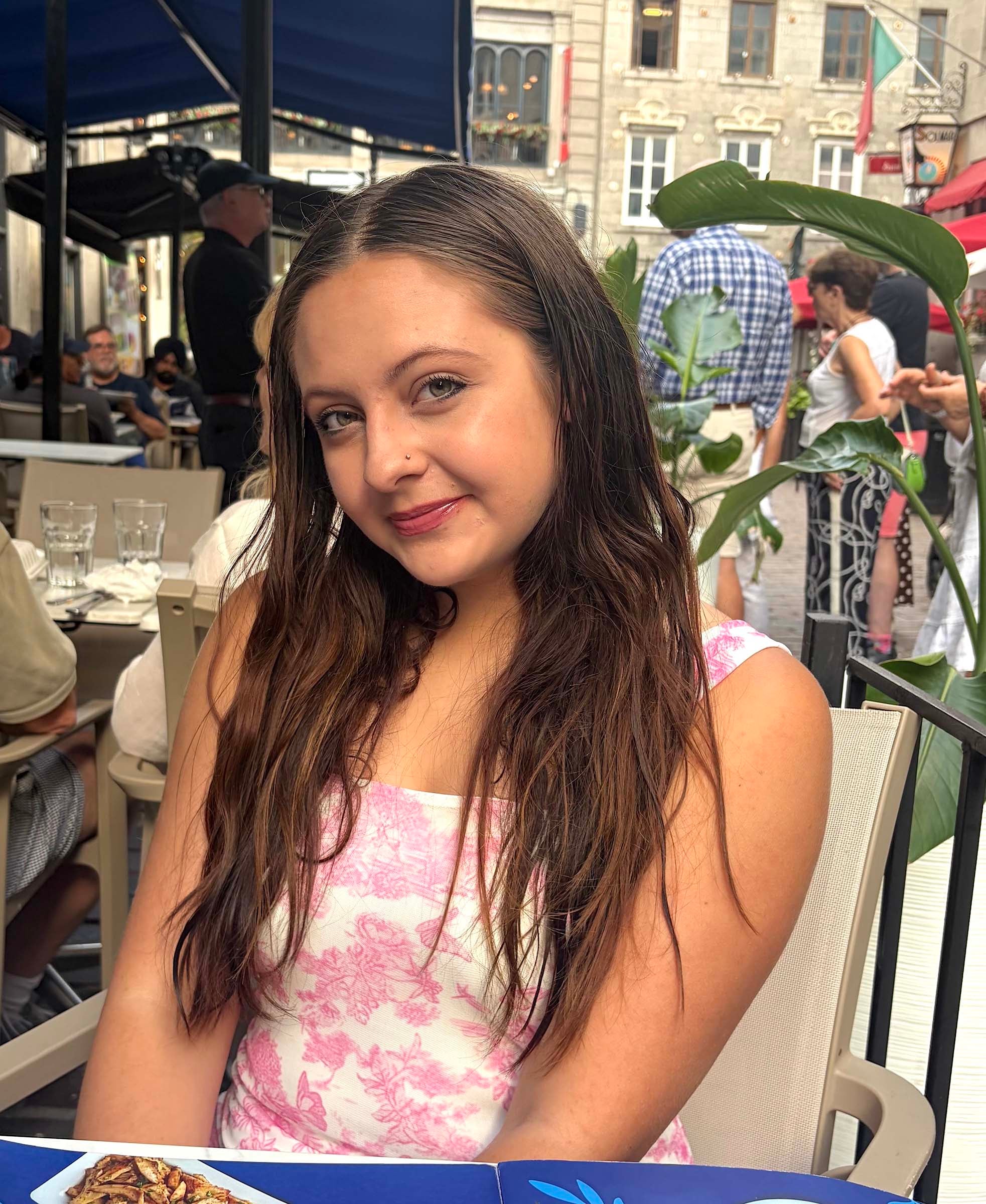
R.I. – Aug. 20, 2026 – Maya Golemo vividly remembers how she felt prior to being diagnosed with type 1 diabetes on the last day of her sophomore year at the University of Rhode Island and her reaction to learning that she had the health condition
“I rapidly lost weight during the months leading up to my diagnosis,” said the rising senior from Dudley, Massachusetts. “I would constantly feel symptoms like dizziness, excess fatigue, hunger, and thirst. I became unmotivated in school due to how sick I felt. Then I went to URI Health Services for what I thought was a stomach bug after experiencing a loss of appetite and nausea. They sent me to the hospital, where I was shockingly told my sugar level was off the charts and that I had type 1 diabetes.”
Golemo had no immediate family history of diabetes. She lived a very active lifestyle as a 19-year-old and ate well her entire life. After processing the surprising news, Golemo spent the entire summer learning how to manage and live with her new condition
“I started on insulin injections multiple times a day, and then switched to an insulin pump,” said Golemo. “I had to learn how my body feels at certain blood sugars, learn how to eat according to my blood sugar, how to calculate carbs, how to give myself the appropriate amounts of insulin, and how to advocate for myself.”
Type 1 diabetes is a chronic autoimmune condition where the body’s immune system attacks and destroys insulin-producing beta cells in the pancreas
“There’s a common misconception that type 1 diabetes is brought on by eating horribly and not exercising,” said Golemo. “But I was an active martial artist for majority of my life, had a lean build, ate relatively clean, and I still got type 1.”
Another misconception is that diabetics can’t consume any sugar. “I can eat whatever I want, as long as I take insulin for it,” she said
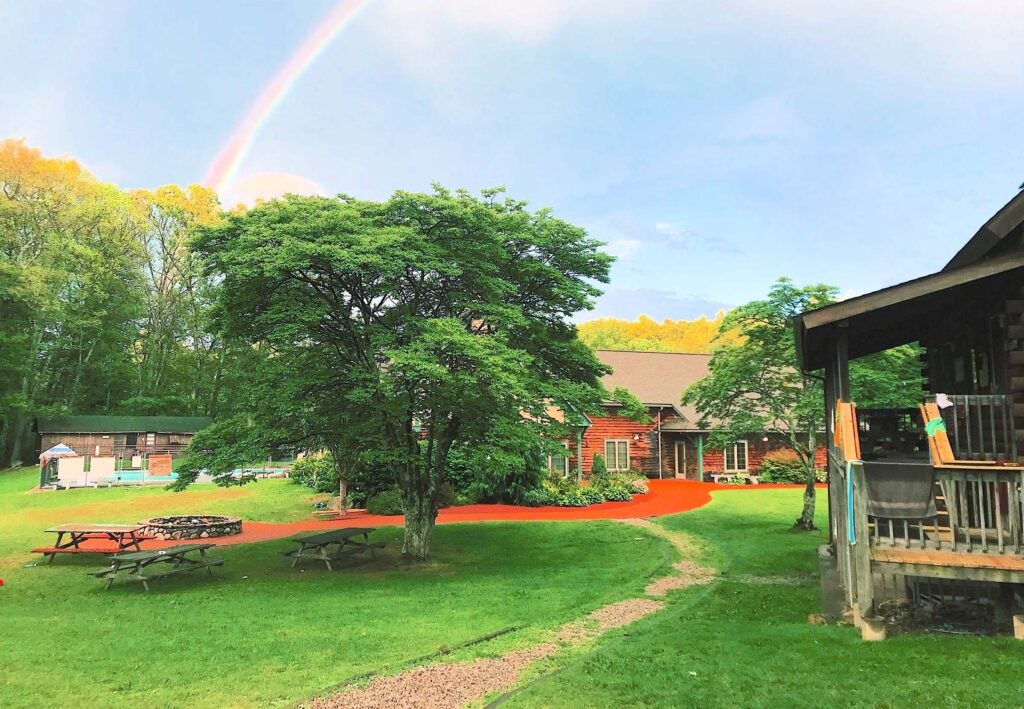
This summer, Golemo applied what she’s learned about type 1 diabetes by serving as a camp counselor at a residential camp in North Oxford, Massachusetts for children and adolescents who have type 1 diabetes. The camp, run by The Barton Center for Diabetes Education, Inc., is one of the largest camping and educational programs in the country dedicated to children who live with diabetes and the people who care for them
“I supported campers in their daily diabetes management by assisting with blood glucose monitoring, carbohydrate counting, meal supervision, and recognizing signs of hypo- and hyperglycemia,” said Golemo. “I collaborated with nurses, physicians, and the healthcare team to help ensure camper safety, reinforce diabetes self-management skills, and respond promptly to medical needs. In addition to providing mentorship and leading recreational activities, I fostered a supportive, inclusive environment that promoted independence, confidence, and overall well-being while strengthening my communication, teamwork, and patient-centered care skills.”
Connecting classroom to camp
As a public health major in the College of Health Sciences at URI, Golemo also used what she’s learned in the classroom
“I connected what I learned in the classroom to real world experiences as a camp counselor, particularly in the areas of chronic disease prevention, nutrition, and health education,” said Golemo. “My studies at URI allowed me to immerse myself in different device management systems and have a better understanding of how technology can be used to support individuals managing conditions such as diabetes.”
URI’s public health program has also taught Golemo to take a broader, more holistic approach to diseases and health conditions
“From a community health perspective, chronic illness affects more than just the individual diagnosed,” said Golemo. “If it doesn’t apply to you, it may be someone you know, a family member, or a friend. Because of this, having access to proper education and resources can help communities become more informed and better equipped to support one another. What I have learned at URI and as a camp counselor has strengthened my understanding of how public health professionals can use education, technology, and prevention strategies to improve health outcomes and quality of life.”
Golemo’s goal is to pursue a career in holistic and integrative health, where she can help people feel their best by focusing on the connection between nutrition, lifestyle, and overall well-being
“I’m especially interested in diabetes advocacy and education because I believe that individuals should feel empowered and supported when managing their health,” said Golemo. “I hope to use my background in public health to advocate for individuals with diabetes and other chronic conditions while helping people make informed choices about their nutrition and lifestyle
“Ultimately, I want to help people feel their best and understand that managing their health can be an empowering experience, rather than something they must navigate alone.”
