


By
- Heather Gann | hgann@al.com
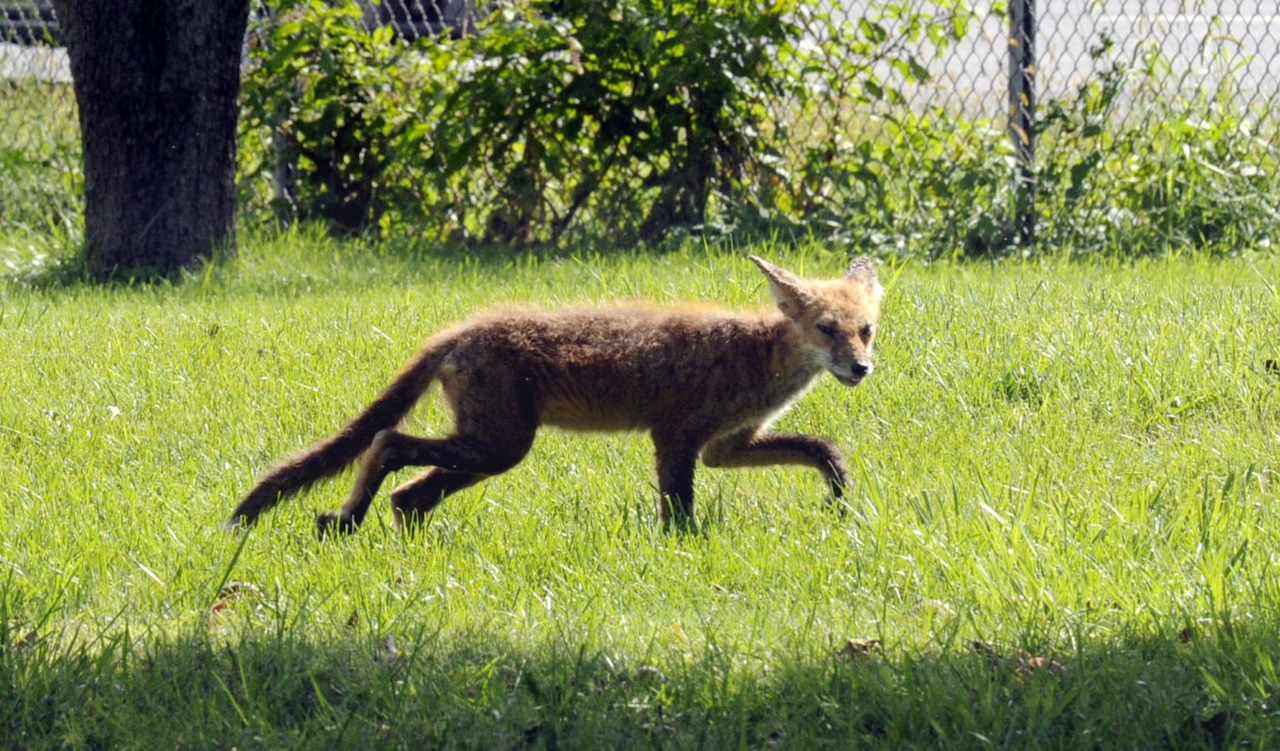
Alabama public health officials today stressed rabies prevention measures for the state after a fox found late last week on private property in the Billingsley area was confirmed positive for rabies
The property owner noticed the fox acting abnormally and having difficulty moving and promptly notified the Alabama Department of Public Health (ADPH), according to a news release
The owner followed instructions to have the animal safely euthanized and submitted to the public health laboratory for testing
There was no human exposure, but two vaccinated dogs were potentially exposed, and all animals on the property are receiving rabies booster vaccinations, the release said
“It is invaluable to have people in our rural communities who are familiar with wildlife and notice when an animal is behaving abnormally,” Dr. Dee Jones, State Public Health Veterinarian, wrote in the release
“In this case, their observation and awareness have played an important role in rabies surveillance within the community.”
Alabama state law requires that dogs, cats and ferrets 12 weeks of age and older be current with rabies vaccination, according to the release
Although there are animal rabies vaccines that last for one year or three years, the first rabies vaccination is only valid for one year, regardless of which vaccine a pet receives
Officials said vaccinating animals reduces the risk of rabies infection should an exposure occur, protecting animals as well as their owners and caretakers
In addition to vaccination, Autauga County residents have been advised to take the following precautions to avoid possible exposure to rabies:
- Do not allow pets to run loose; confine them within a fenced-in area or on a leash.
- Do not leave uneaten pet food or scraps near your residence.
- Do not illegally feed or keep wildlife as pets.
- Do not go near wildlife or domestic animals that are acting in a strange or unusual manner.
- Caution children not to go near any stray or wild animal, regardless of its behavior.
Tuesday’s release urged the public to always report any animal bite or other exposure to their medical provider or ADPH
More information about rabies and prevention is available through ADPH at (334) 206-5969 or its website
