


Yahoo Canada is committed to finding you the best products at the best prices. We may receive a share from purchases madechange
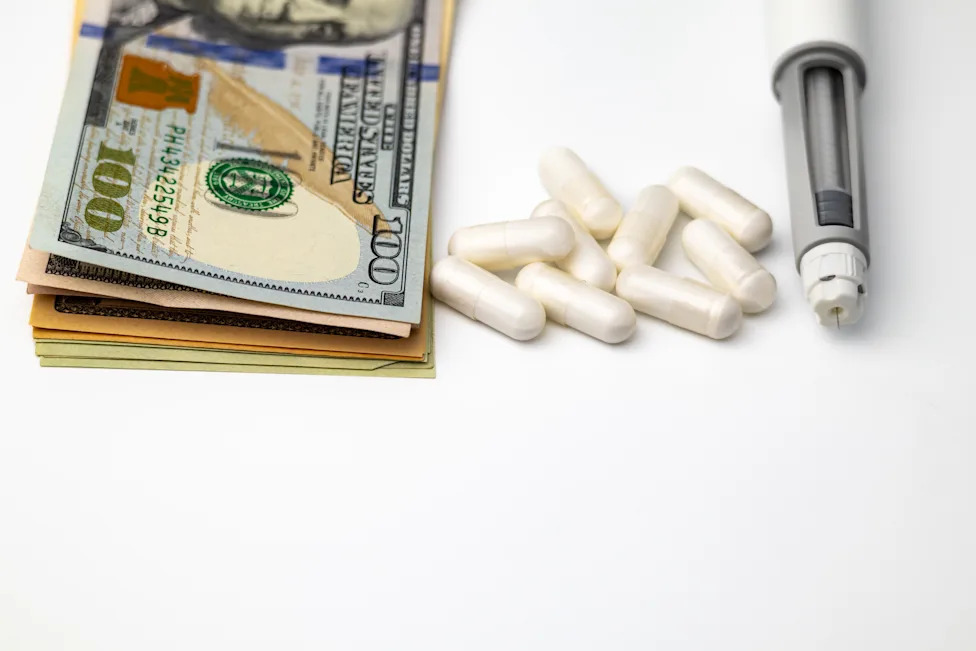
Nearly half of the people who stop taking a GLP-1 for weight loss do so for one reason: money — a denied insurance claim, a coupon that ran out, some other snag — well ahead of side effects (14.6%) or drug shortages (11.8%), according to a 2025 study in the journalObesity. That’s a lot of people walking away from a medication with real muscle behind it: one analysis estimated that if everyone eligible had access to semaglutide, U.S. obesity rates could drop by more than 46%. But GLP-1 costs are starting to shift, which means some people may soon be in a better position to afford the drugs, while a whole new group is facing fresh roadblocks. Here’s what’s changing, and what to do about it.
⚡The 3 things about to move your GLP-1 price
FDA compounding ruling:A decision on cutting off cheap compounded semaglutide/tirzepatide is pending, with no announced date. What to do:if you’re on a compounded version, ask your provider whether they plan to switch to branded-only pricing
Medicare GLP-1 Bridge:This is a $50/month program that runs through December 2027. What to do:use it now if you’re eligible — don’t build a long-term budget around it
Employer coverage:Companies are actively re-deciding GLP-1 coverage at renewal time, in both directions. What to do:raise it with your benefits team ahead of open enrollment — the answer isn’t fixed
Weight loss vs. diabetes: One drug, two price tags
Technically, Ozempic and Wegovy are the same drug, and so are Mounjaro and Zepbound. But their prices differ sharply, because Ozempic, Mounjaro, Rybelsus and Trulicity are approved to treat type 2 diabetes, while Wegovy, Zepbound, Saxenda and Foundayo are approved specifically for weight loss
Advertisement
Why the split? Kent McKinney, an adjunct professor of health policy and management at Columbia University’s Mailman School of Public Health, has a theory: manufacturers likely sensed insurers’ resistance to covering weight-loss drugs, and responded by creating two products out of one — one for weight loss, one for diabetes
That resistance is partly baked into law. Federal law bars Medicare from covering weight loss drugs at all, says Juliette Cubanski, deputy director of the Program on Medicare Policy at KFF — Part D coverage only kicks in when a GLP-1 is prescribed for diabetes or another “medically accepted condition.” Private insurers aren’t bound by that rule, but plenty hold back anyway, wary of the cost of covering weight loss more broadly
Cheap compounded GLP-1s may not last much longer
A compounded GLP-1 medication isn’t the brand-name drug. Instead, it’s custom-made by a pharmacy (not the original manufacturer) without going through the Food and Drug Administration’s approval process for safety or effectiveness. Compounded semaglutide and tirzepatide became the backbone of affordable GLP-1 access during the 2022–2024 shortages, often running $150 to $300 a month vs $1,000-plus for brand-name products. Compounded drugs are exactly why telehealth platforms like Hims & Hers, Ro and Noom could offer such low entry prices in the first place.
That pathway to affordability, however, is closing. “After the drug shortage was resolved, the FDA issued notices that such compounding should cease,” says Lisa Kroon, a professor of clinical pharmacy at the University of California, San Francisco. The FDA extended the public comment period into late July 2026, but it still hasn’t issued a final decision, so there’s no confirmed timeline
Advertisement
⚠️ Worth knowing:Compounded doesn’t mean cheaper without tradeoffs. These versions skip the FDA’s safety and effectiveness review. Most also ship in multidose own doses — a commoneports tied to compounded semaglutide and tirzepatide
▶️ What to do:If you’re currently on a compounded GLP-1, ask your prescriber directly whether they’re planning to pivot to branded-only pricing, so a price shift doesn’t catch you off guard. Before starting or continuing on one, confirm the pharmacy’s standing through your state board of pharmacy or check for PCAB accreditation, a compounding-specific quality credential
Medicare’s $50 GLP-1 deal is real — just not forever
Roughly 4 million people with Medicare could save a lot on GLP-1s prescribed for weight loss, thanks to the Medicare GLP-1 Bridge program — a $50 monthly copay, with manufacturers supplying the drugs at a net price of $245 a month and the Centers for Medicare & Medicaid Services (CMS) picking up the rest. (That $50 doesn’t count toward your annual deductible or out-of-pocket limit.)
The program only covers three products: Foundayo, Wegovy (injection or tablet) and the KwikPen version of Zepbound. Eligibility generally requires a BMI of 35 or higher on its own, or a lower BMI paired with a qualifying condition like heart failure or prediabetes. If you’re already covered through regular Part D — say, for diabetes or sleep apnea — you’re not eligible, because you don’t need to be
Advertisement
⚠️ Worth knowing:The Bridge program is authorized only through December 2027. McKinney calls it an experiment rather than a permanent fix. In other words, CMS is testing the numbers before committing to anything lasting. “Without further action to extend coverage, when the program ends, so will Medicare coverage of GLP-1s for weight loss,” says Cubanski
▶️ What to do: If you think you might be eligible, use the Bridge now, but don’t build a long-term budget around it past 2027. If Medicare doesn’t apply to you, check your state anyway: 13 states also cover GLP-1s for obesity through Medicaid, so where you live could open a different path
Your employer’s GLP-1 coverage isn’t final — it’s being renegotiated right now
Employers, who cover most working-age adults, are actively split on whether to pay for GLP-1s used for weight loss. “Some employers are adding coverage with tighter controls, such as higher cost sharing, stricter prior authorization, or more robust utilization management; others are scaling back or removing coverage because of cost,” says Jim Moore, director of pharmacy informatics for Rx Solutions at Marsh McLennan Agency. “Overall, employers continue to drop coverage for weight loss GLP-1s.”
⚠️ Worth knowing:Most employers still don’t cover it. A 2026 survey from the International Foundation of Employee Benefit Plans found 83% of corporate plans either exclude GLP-1s for weight loss entirely or don’t cover them at all — even as the drugs’ share of annual health claims climbed to 11.4% in 2025, up from 10.5% the year before. That combination — rising cost, most plans still saying no — is exactly why coverage decisions are so unsettled right now
Advertisement
▶️ What to do:if your plan doesn’t cover a GLP-1 for weight loss today, raise it with your benefits team ahead of open enrollment. It’s not guaranteed to change — but Moore’s read on the industry suggests these calls are still genuinely up for debate at renewal time, not settled for good
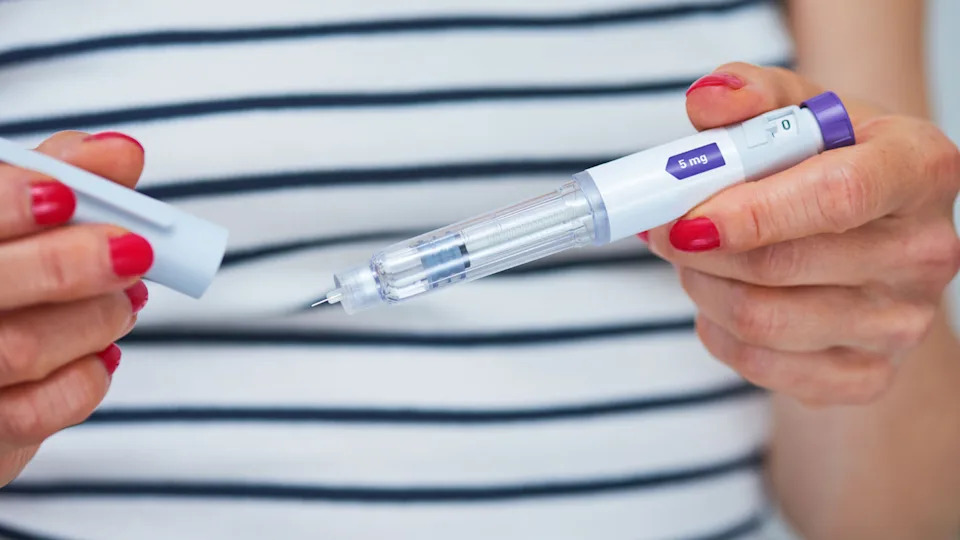
Still shopping around for an affordable GLP-1 option?
A few paths are still worth checking. If you qualify by income, manufacturers offer free patient assistance programs for diabetes-approved GLP-1s. If you’re paying cash, for example, buying directly through LillyDirect’s Self Pay Journey Program starts at $299 a month for certain doses, no insurance required. Telehealth is another route — membership fees alone range from about $20 to $150 a month before medication costs, and screening quality varies just as widely. Learn more about comparing your cheapest GLP-1 options safely.
Bottom line
It’s worth running the numbers before you start, not after you’re already relying on the drug. “The financial impact of treatment is often more complex than the monthly prescription cost alone,” says Dr. Catherine Varney, an obesity medicine director at UVA Health. She’s seen patients whose savings elsewhere (eating out less and cutting alcohol) nearly offset the cost. That said, cost remains a real and significant reason people stop — and stopping has consequences. Patients in major trials regained 40% or more of their lost weight within months of quitting semaglutide or tirzepatide. The math that matters isn’t just what you’ll pay — it’s what stopping might cost you.
Does the Medicare Bridge cover GLP-1s prescribed for diabetes too?
No — the Bridge covers only weight-management prescriptions. If you’re using a GLP-1 for diabetes, you’re still covered (or not) through regular Part D
How do I know if I qualify for free GLP-1 medication through a patient assistance program?
It comes down to your income and which drug you’re on — and importantly, these programs currently only cover diabetes-approved GLP-1s, not the weight loss versions. For example, Ozempic’s NovoCare program covers people earning under roughly $31,300 a year (higher for bigger households). And Trulicity’s Lilly Cares sets the cutoff at $47,880 for a single person, also scaling up with household size. One catch either way: if you’re already on Medicaid, full Low Income Subsidy (“Extra Help”) or VA benefits, you won’t qualify — those count as coverage of their own.
Can compounded GLP-1s be outright fake?
Yes. “Fraudulent drugs have been reported, meaning they may not even contain the particular GLP-1,” says Kroon — one more reason the pharmacy-vetting steps above are worth the extra few minutes
Meet our experts
Kent McKinney, adjunct professor of health policy and management at Columbia University’s Mailman School of Public Health
Juliette Cubanski, deputy director of the Program on Medicare Policy at KFF
Lisa Kroon, PharmD, professor of clinical pharmacy at University of California, San Francisco
Jim Moore, PharmD, director of pharmacy informatics for Rx Solutions at Marsh McLennan Agency
Catherine Varney, DO, obesity medicine director at UVA Health in Charlottesville, Virginia
Our health content is for informational purposes only and is not intended as professional medical advice. Consult a medical professional with questions about your health
