


The truth about BMI and weight loss in older adults | The Senior | Senior
Ad
News Home
Home/News
Why losing weight could be the wrong goal for your health after 65
ByDesiree Savage,and Carla Mascarenhas
UpdatedAugust 19 2026 – 6:02pm, first published5:33pm
ByDesiree Savage,and Carla Mascarenhas
UpdatedAugust 19 2026 – 6:02pm, first published5:33pm
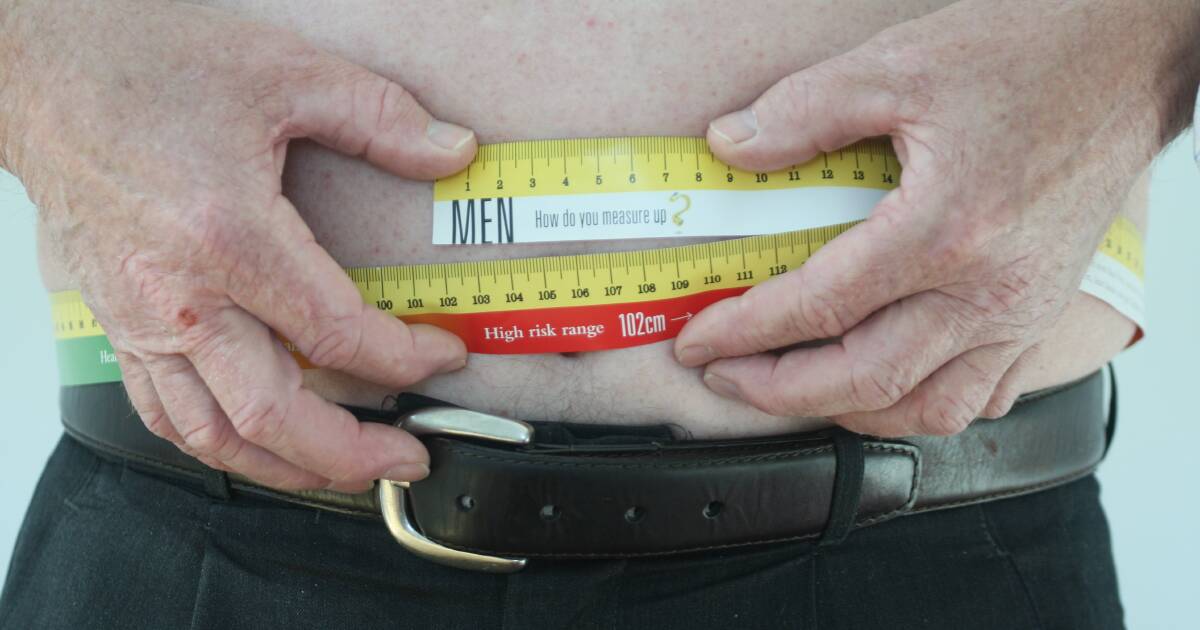
A man measuring his <a href="https://healthylife7.com/widening-waistline-indias-big-fat-obesity-hotspots-may-not-be-just-the-biggest-cities-anymore/” title=”Widening waistline: India's big, fat obesity hotspots may not be just the biggest cities anymore”>waistline with a measuring tape. ACM File Picture
Carrying a few extra kilos as you age may be good for your health, new research shows, while the findings highlight why weight-loss can actually a red flag later in life
Create a free account to read this article
Deakin University Institute for Physical Activity and Nutrition professor David Scott told The Senior the US research showed a higher body mass index may “protect against mortality” as you age, but not so if all your weight was in your beer belly
“The problem is that BMI – which is calculated using a person’s height and weight – cannot tell the difference between fat and muscle,” Scott said
“When we’re measuring BMI, we’re not really, in any way, able to interpret someone’s body composition.”
He explained the obesity paradox to be where some “overweight” people may have high amounts of lean muscle while others who are deemed in a “healthy weight” may be carrying more body fat
The US research, published in the Journal of the American Geriatrics Society, found a link between a higher body mass index (BMI) and significantly lower risk of dying in men aged over 65 – as much as 46 per cent less
The 14-year study looked at a group of nearly 7000 older Americans. but also revealed carrying more weight around the waist (meaning more visceral fat) was linked to a 24 per cent higher risk of death in men
Why weight matters as you hit your second prime
Muscle naturally declines as a person ages. Severe loss of muscle mass and strength can lead to a condition called sarcopenia (which can make simples tasks like walking up stairs difficult and increases risk of falls)
This becomes a serious problem when muscle loss begins affecting a person’s ability to perform everyday activities and live independently
“The key advice is, really, preserve your muscle,” he said
“We need to be primarily doing resistance training
“So strength-type training where obviously the key example is lifting weights, but you can use your own body weight or other techniques to cause stress on the muscles that encourages them to grow and get stronger.”
He recommended doing resistance training at least two times a week, alongside other physical activity people enjoy
Diet also matters, particularly eating enough protein because muscles are built from protein
Dropping weight later in life can be a red flag
Professor Garron Dodd from The University of Melbourne agreed strength training as you age and eating enough protein was paramount for good health in the age of weight-loss drugs
“That matters more than ever now that so many people are losing weight fast on the new obesity drugs like Ozempic or Mounjaro, where a good share of what comes off is muscle,” he said
Associate Professor Evan Atlantis is from Western Sydney University noted his own research uncovered similar findings, and the most recent study added to “a long-standing puzzle in ageing research”
“The most likely explanation is that people often lose weight when they become seriously unwell, which can make lower body weight look riskier and higher body weight look safer than they really are, not because the weight itself is protective,” he said
Newsletters & Alerts
View all

Twice weekly
The Senior newsletters
Stay in the know on news that matters to you with twice weekly newsletters from The Senior
Advertisement
Ad
Advertisement
Ad
