


PUBLISHED ONAugust 23, 20266:27 AM
For a brand that has built its identity around travel since 1854, Louis Vuitton’s latest automotive collaboration feels less like a departure and more like a return to familiar territory
Working with California-based restoration specialist Singer, the French luxury house has revealed two bespoke Porsche 911s that blur the boundaries between automotive design, leather craftsmanship and watchmaking.
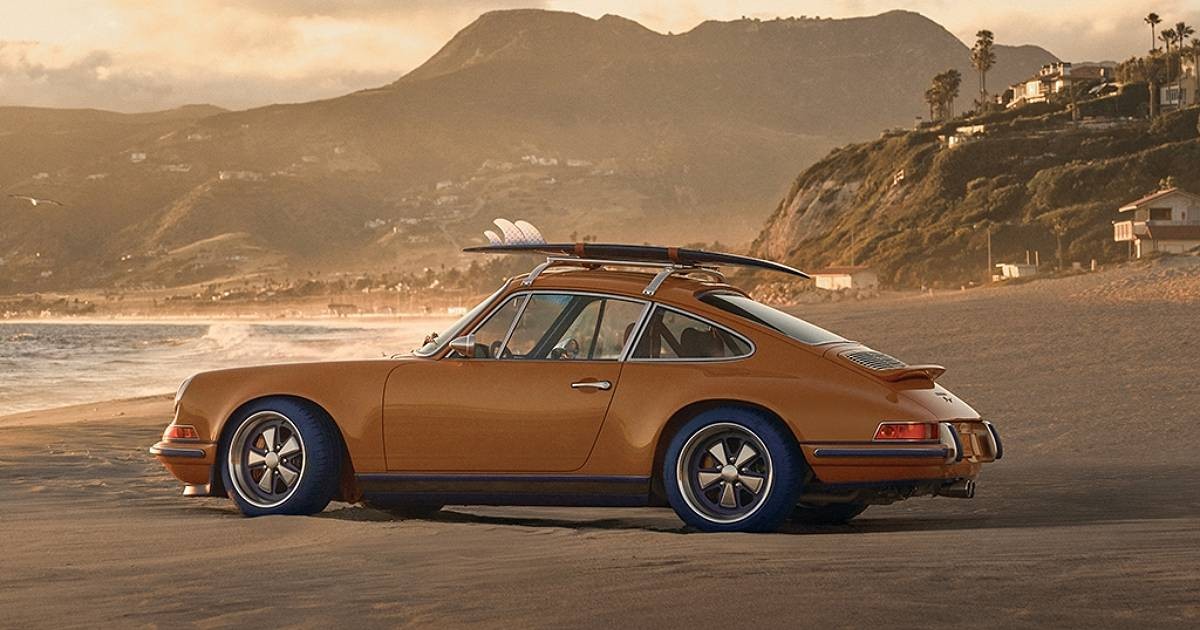
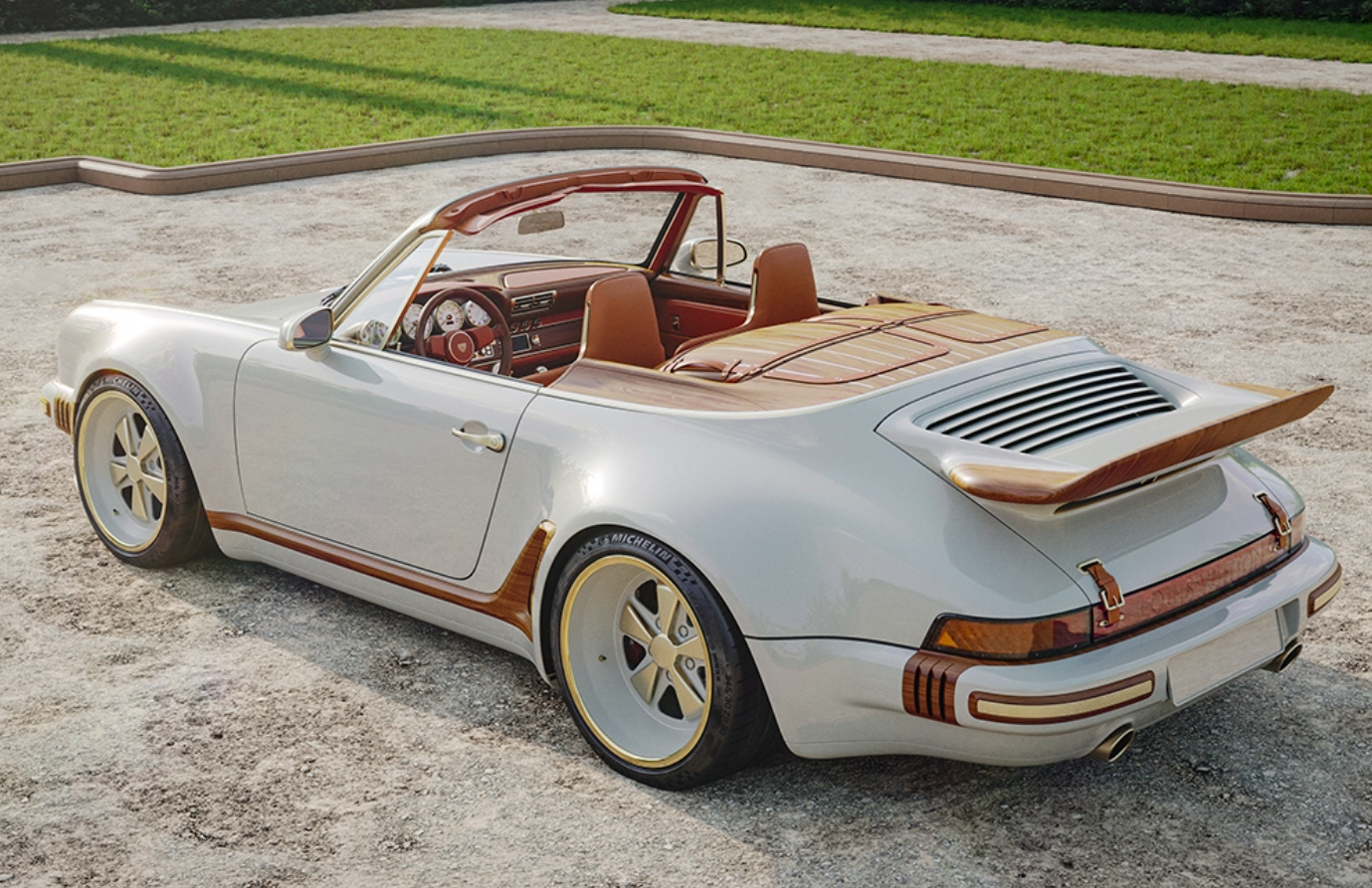
One takes the form of a Porsche 911 Reimagined by Singer — Classic finished in Louis Vuitton’s distinctive saffron and cobalt blue colours, while the second is a Porsche 911 Reimagined by Singer — Classic Turbo cabriolet conceived with Louis Vuitton Women‘s Artistic Director Nicolas Ghesquiere
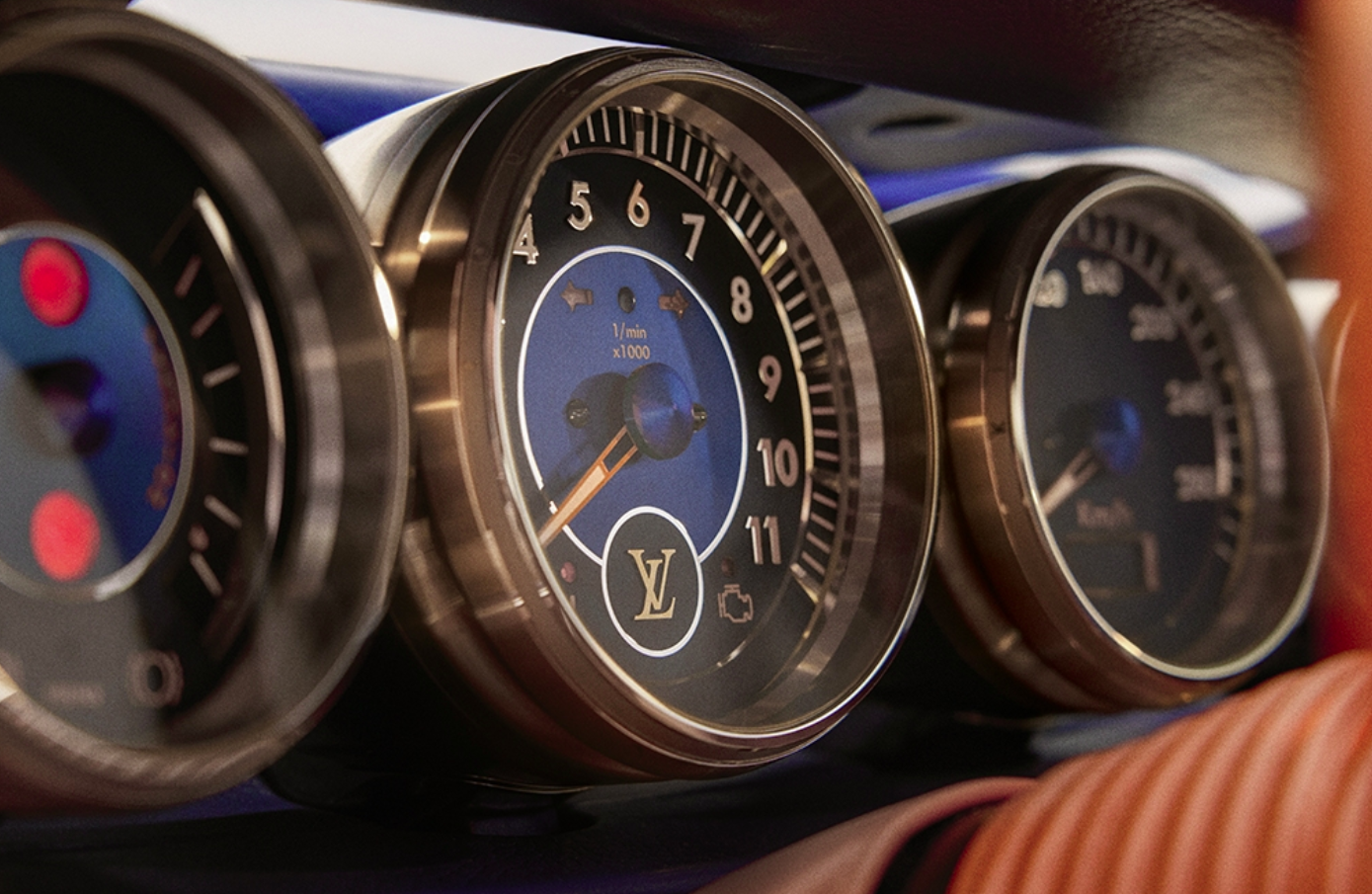
The project began with something unusually small: A dashboard clock. What started as a request for a Tambour-inspired mechanical timepiece evolved into a much deeper collaboration, with Louis Vuitton contributing to everything from instrument graphics and interior finishes to bespoke luggage, clothing and travel accessories
That level of involvement makes this more than a conventional automotive collaboration. It also reflects a wider trend that has become increasingly visible across the luxury sector
Luxury houses have, of course, long maintained ties to motoring. Louis Vuitton itself was producing automotive luggage at the dawn of the automobile age, while watches, racing and grand touring have shared common ground for decades.
Yet recent years have seen luxury brands deepen their participation in the automotive and motorsport worlds
LVMH’s landmark 10-year global partnership with Formula 1, which began in 2025 and includes Louis Vuitton, Tag Heuer and Moet Hennessy, is perhaps the clearest illustration of that renewed commitment.
Formula One’s rise as both a sporting spectacle and cultural platform has created new opportunities for luxury brands seeking audiences that value craftsmanship, exclusivity and heritage
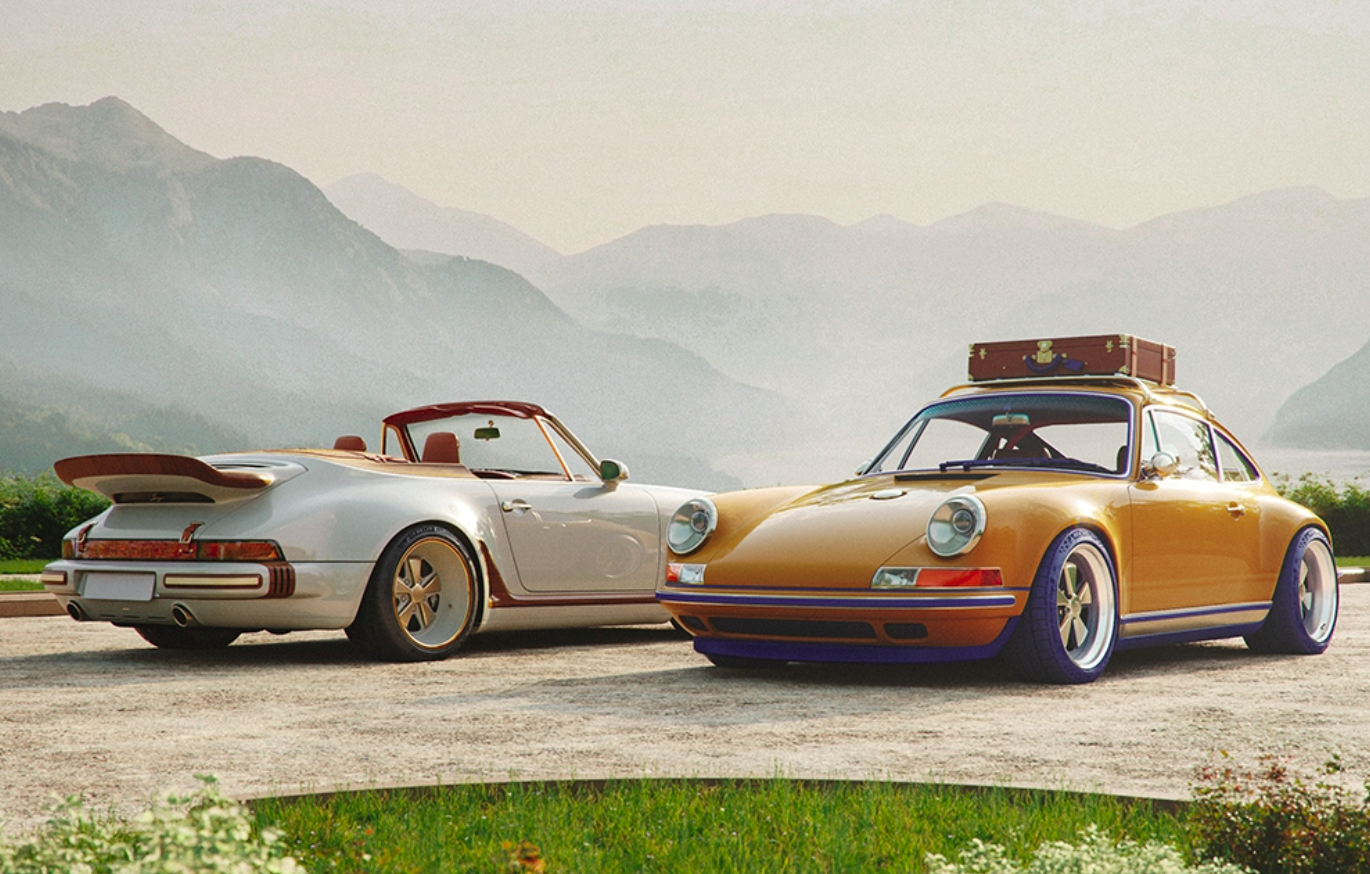
In many ways, Singer occupies a similar space within the automotive world. Renowned for its painstaking restorations of classic Porsche 911s, the company has built its reputation around detail, individuality and craftsmanship rather than outright performance figures.
Those shared values are evident throughout both cars.
The Classic model features Louis Vuitton-inspired leatherwork, custom instrumentation and travel-focused accessories including bespoke luggage, a roof rack, surfboard and skis.
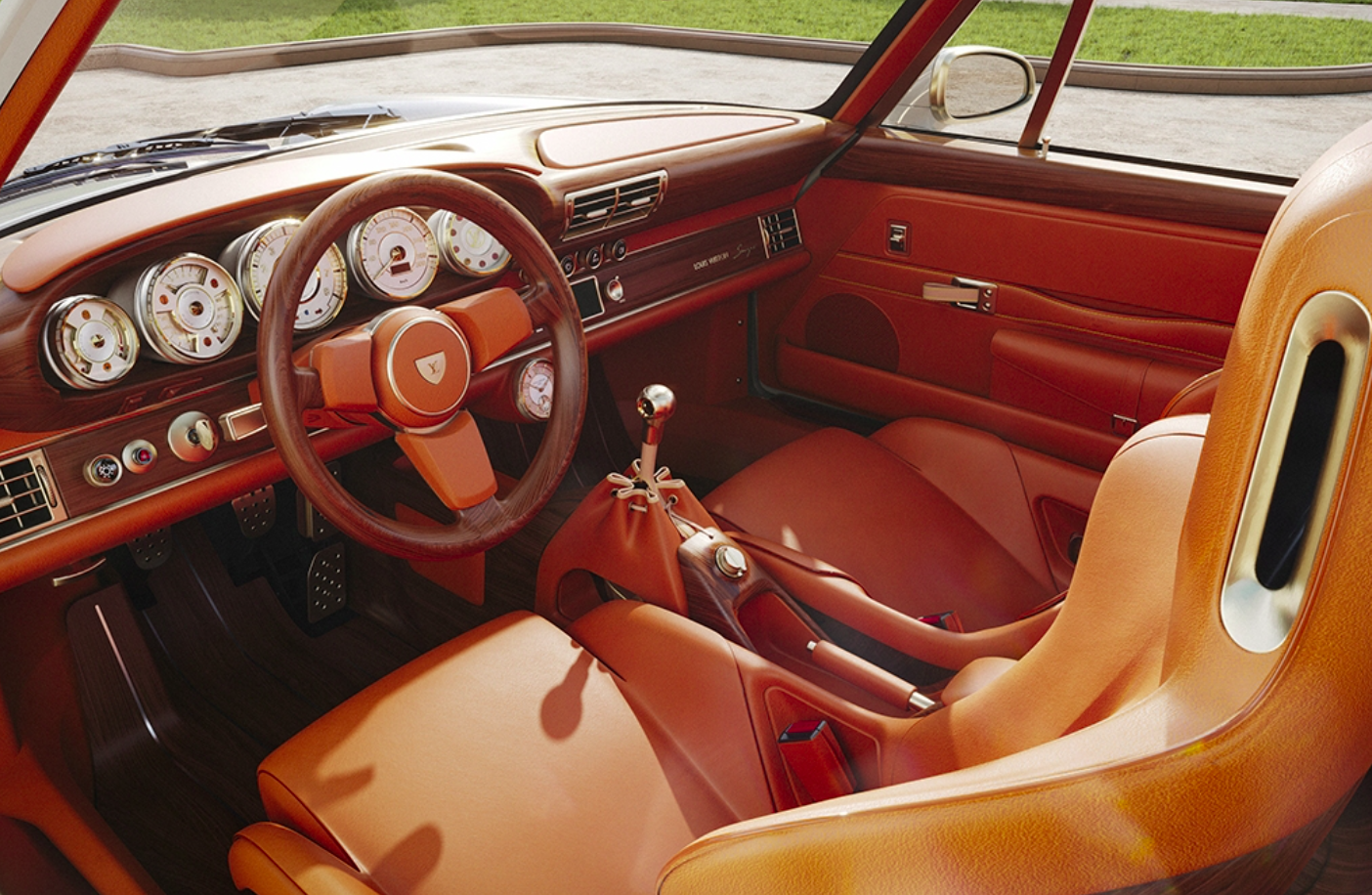
The Turbo cabriolet takes a different approach, pairing natural leather with extensive wood trim inspired by classic runabouts
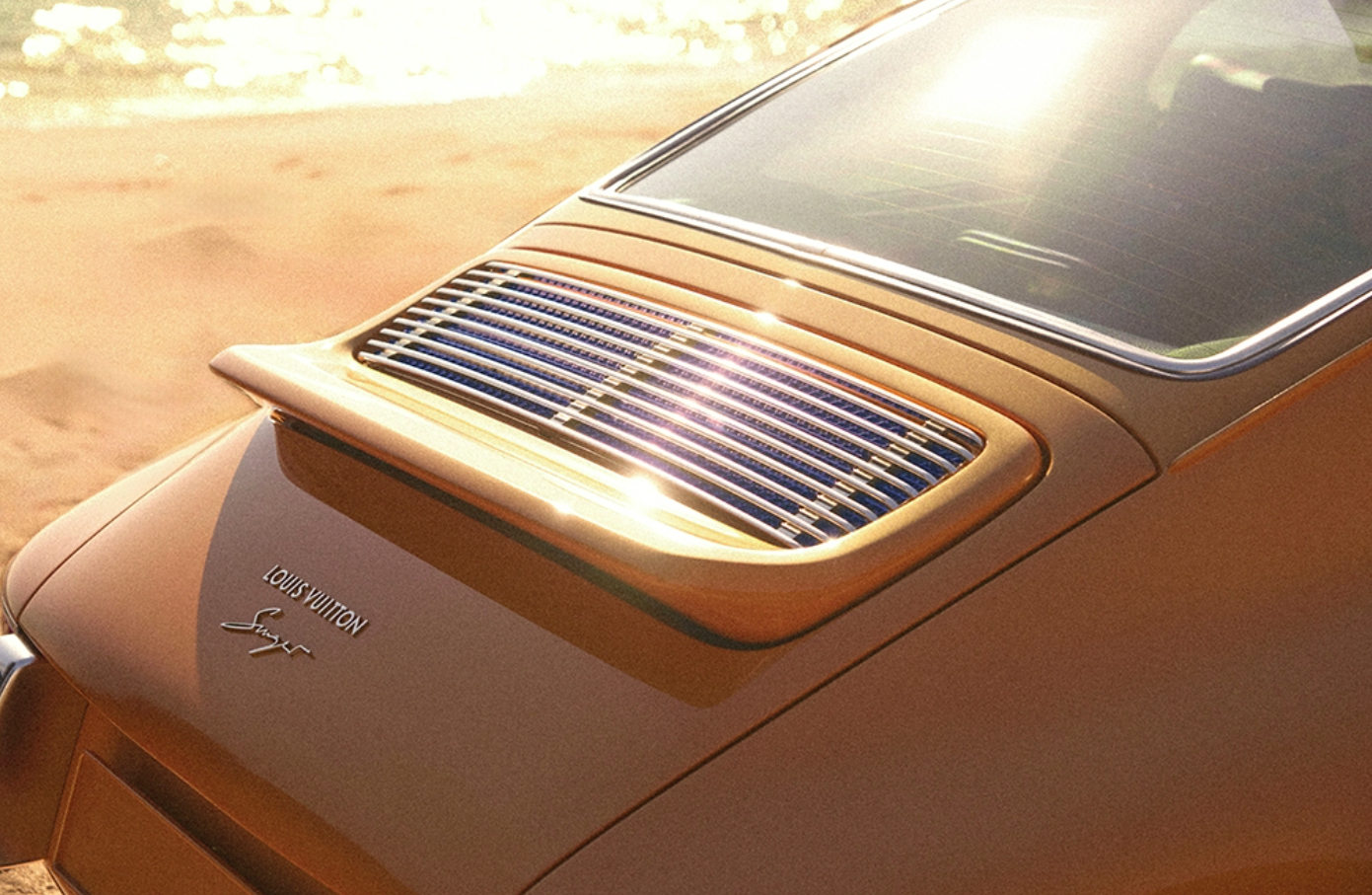
Neither car is likely to be remembered simply for its specifications.
Instead, they stand as examples of how two heritage brands from different worlds can interpret the idea of travel through craftsmanship, creating objects that are as much cultural statements as they are automobiles
Thisarticlewas first published insgCarMart
luxuryluxury brandsCarsAutomobile sectorLouis VuittonporscheMotoring
