


Actions
- Tweet
Why some people classified as obese may have lower heart risks than expected
A long-term study suggests waist measurements could help doctors better identify hidden cardiovascular risks.
PrevNextA long-term study suggests waist measurements could help doctors better identify hidden cardiovascular risks.

By:Scripps News Group
Posted
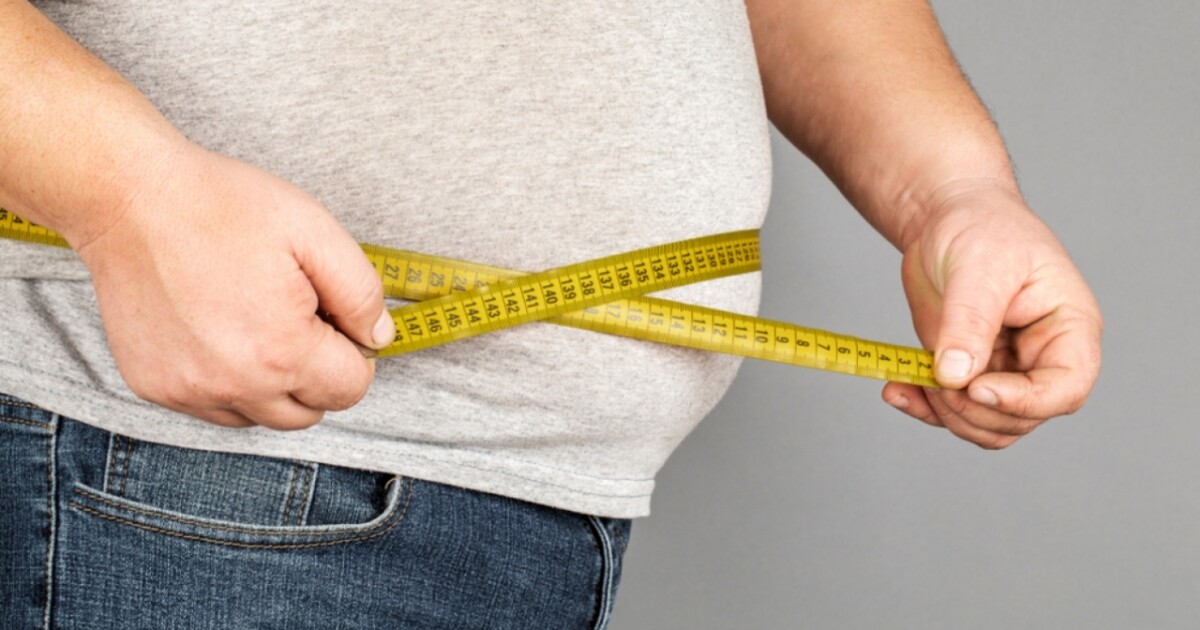
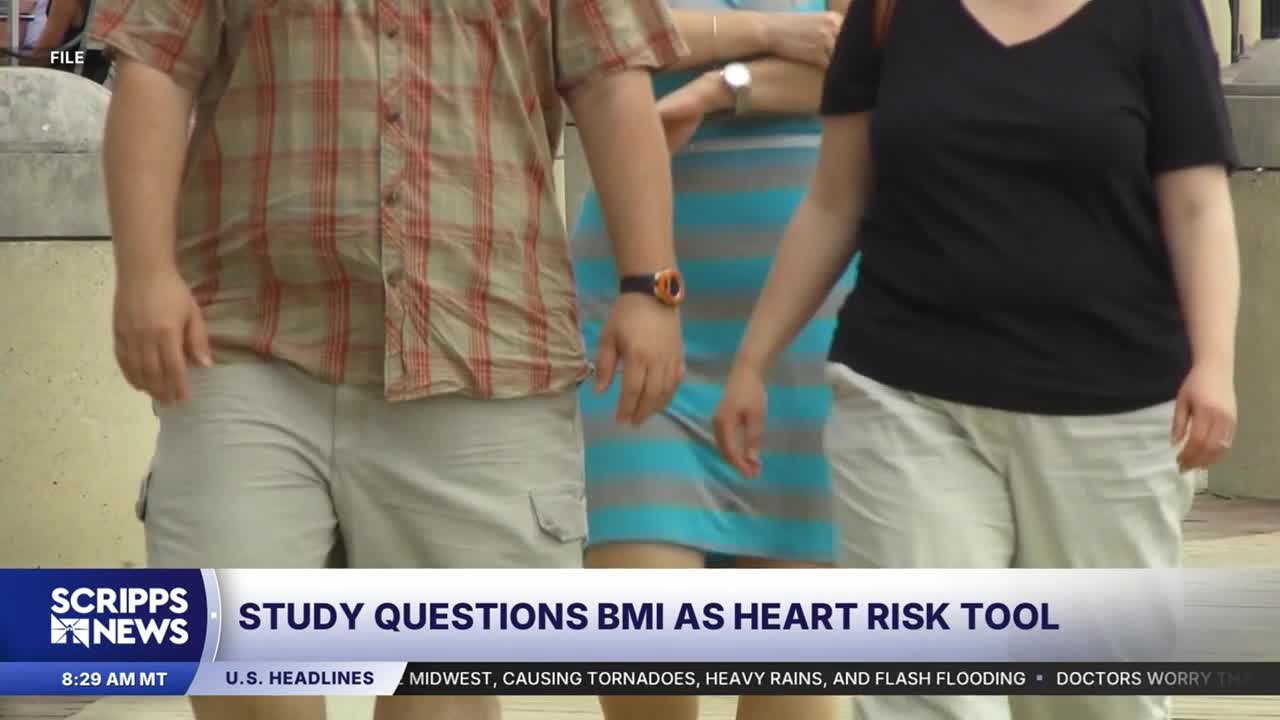
A new study suggests belly fat may be a better predictor of heart disease than body mass index, or BMI
Researchers at Johns Hopkins analyzed data from more than 260,000 people over about 20 years
They found people with larger waistlines faced a higher risk of heart disease, even if their BMI was considered normal
RELATED STORY |US obesity rate falls for the first time in years, but diabetes hits an all-time high, data says
The study also found some people with smaller waistlines who were considered obese did not face a higher risk of heart disease
Researchers said waist measurements may give doctors a better picture of cardiovascular health than BMI alone
The body mass index uses a simple formula combining a person’s weight and height. A person with a body mass index between 18.5 and 24.9 is considered a normal weight. Those with a BMI between 25 and 29.9 are overweight, while those with a BMI of over 30 are considered obese
Someone who is 6 feet tall and weighs 184 pounds would be considered overweight. At 6 feet tall and 221 pounds, you would be considered obese
For someone 5 feet 6 inches tall, 155 pounds is considered overweight, while 186 pounds is obese
RELAED STORY |‘Weight tax’ costs $12K a year as poll shows financial toll of slimming down
The American Medical Association recommends considering BMI along with other factors, including visceral fat, body adiposity index, body composition, relative fat mass, waist circumference and genetic/metabolic factors
