


- News
- Health News
- Why you suddenly need to pee when you’re stressed: Doctor explains how stress signals travel between the brain and bladder
Why you suddenly need to pee when you’re stressed: Doctor explains how stress signals travel between the brain and bladder
Aadya Jha / TIMESOFINDIA.COM / Aug 9, 2026, 6:00 IST
AAText Size
- Small
- Medium
- Large
1/7
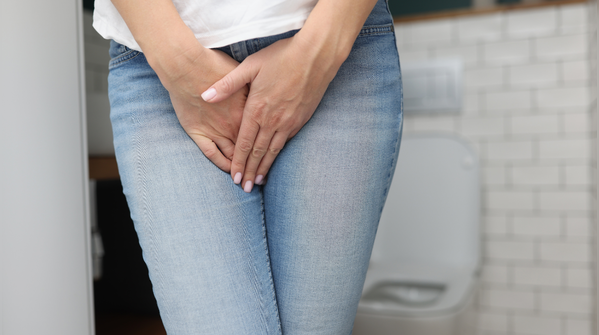
How stress and anxiety can change your bladder habits
That sudden urge to use the washroom before an important meeting, interview, examination or long journey may feel strangely familiar. Sometimes, the bladder is not actually full. The nervous system may simply be responding to the pressure of the moment.The bladder and brain are in constant communication. As urine collects, nerves send signals towards the brain, which interprets the sensation of fullness and decides whether it is an appropriate time to urinate. The brain can then send signals back to the bladder and pelvic muscles to either hold urine or allow emptying. This is why emotions can sometimes show up as surprisingly physical symptoms. Stress and anxiety do not necessarily mean something is wrong with the bladder itself. They can change how strongly a person notices bladder sensations and how often they feel the need to urinate.Dr Jaydeep Jain, Associate Consultant, Urology, ISIC Multispeciality Hospital, explained, “The symptoms of stress are usually headaches, trouble sleeping, feeling tired or changes in appetite. Stress also can have an impact on our urination patterns, though. Others might find that they need to have to use the restroom more frequently when they are nervous or anxious, and some may have an urgent and very strong need to urinate.”

2/7
How does the brain actually control the bladder?
The bladder is more than a storage bag for urine. It is part of a communication system involving the bladder muscles, pelvic muscles, spinal cord, nerves and several areas of the brain.As the bladder gradually fills, sensory nerves detect the stretching of its walls. These signals travel through the nervous system and reach the brain. The brain then helps decide whether the urge should be acted upon immediately or temporarily suppressed.That decision is important in everyday life. A person may feel the urge to urinate while sitting in a meeting but consciously wait until there is a suitable opportunity. The ability to delay urination is partly controlled by the brain.NIDDK describes this two-way communication clearly: nerves tell the brain when the bladder is filling, while the brain sends instructions to the bladder and sphincter muscles about when to hold or release urine.So, the feeling of “needing to pee” is not produced by the bladder alone. The brain has an important role in creating, interpreting and regulating that sensation.
3/7
Why does stress make some people urinate more often?
When the body perceives stress, it enters a state of heightened alertness, often called the fight-or-flight response. Attention becomes sharper, muscles can become tense and ordinary bodily sensations may suddenly feel much more noticeable.The bladder can become part of that heightened awareness.Dr Jain explained, “This is due to the close relationship between the bladder and brain. The bladder holds the urine, while the brain and nerves control the need to urinate and the emptying of the bladder.”For some people, stress can therefore make the sensation of bladder fullness feel more urgent. The person may visit the washroom even though the bladder has not reached the volume at which they would normally urinate.This can explain a familiar pattern: using the toilet before leaving home, then again before boarding a train, and perhaps once more before an interview or examination.It does not mean the bladder has suddenly become weak. The nervous system may simply be paying much closer attention to the signals coming from it.That distinction matters. Stress can influence urinary symptoms, but it should not automatically be labelled as the cause.
4/7
Anxiety can create a bladder worry loop
There is another layer that can make the problem feel bigger.A person feels anxious and suddenly notices the urge to urinate. They then start worrying about whether a toilet will be available. That thought makes them monitor their bladder even more closely. A small sensation that might normally go unnoticed now becomes difficult to ignore.Dr Jain described this cycle, “Anxiety can worsen urinary urgency and vice versa in some people. Nervousness can cause a person to need to go to the toilet. They could then begin to think about not being able to find a toilet timely. This concern can make them more conscious of all the bladder sensations and result in increased anxiety.”This does not mean the symptoms are imaginary. The sensation is real. The brain is simply involved in how that sensation is noticed and interpreted.There is also a behavioural side to the cycle. Repeatedly making “just in case” toilet trips may become a habit. Dr Jain noted that frequent trips made before the bladder is genuinely full may gradually make a person accustomed to emptying at smaller volumes.The relationship is therefore not as simple as “stress causes frequent urination”. It can involve the bladder, brain, emotions and learned habits interacting with one another.
5/7
Caffeine, sleep and hydration can quietly add to the problem
Stress does not always affect urinary habits directly. Sometimes, the habits that come with stress are the bigger factor.Someone working under pressure may drink several cups of tea or coffee to stay awake. Others may turn to energy drinks. Some may sleep poorly or change their usual water intake because they are busy or anxious.Caffeine is a stimulant and can increase urine production. It may also aggravate bladder symptoms in some people.Dr Jain said, “Stress can also indirectly impact on bladder habits. Anxious individuals might consume more tea, coffee, or energy drinks and have trouble sleeping and/or drinking more or less water than usual. Caffeine is a stimulant which can cause urine production and may irritate the bladder for some individuals.”This is why a sudden change in bathroom habits should be viewed in context. It can be useful to look at what has changed around the same time: caffeine intake, sleep, fluid intake, stress levels and daily routine.At the same time, cutting water drastically is not a good solution. The goal is not to avoid fluids out of fear of needing the toilet. Adequate hydration remains important, while excessive caffeine can be reduced if it appears to trigger symptoms.
6/7
When should frequent urination not be blamed on stress?
This is perhaps the most important part of the bladder-brain conversation.Stress can affect urination, but frequent or urgent urination can have many other causes. Urinary tract infections, diabetes, overactive bladder, prostate problems, certain medicines and other medical conditions can produce similar symptoms. NIDDK also lists several health and nervous-system conditions that can contribute to bladder-control problems.Dr Jain cautioned, “But urinary symptoms are not necessarily attributed to stress. Urinary infections, diabetes, overactive bladder, prostate disease and some medications and other medical conditions can also cause frequent urination or the need to urinate urgently.”Persistent changes deserve attention, particularly when other symptoms appear.Burning or pain while urinating, blood in the urine, fever, lower abdominal or back pain, difficulty passing urine, new leakage or a lasting change in urinary habits should not simply be dismissed as anxiety.Dr Jain added, “Persistent changes in urines should be investigated, particularly if there is also dysuria (burning or painful urination), hematuria (blood in the urine), fever, lower abdominal or back pain, difficulty urinating or a change in urination habits.”There is also no need to feel embarrassed about discussing urinary symptoms. They are common, and finding the cause is more useful than trying to guess whether stress is responsible.For someone whose symptoms clearly worsen during stressful periods, practical measures may help. Regular physical activity, adequate sleep, relaxation exercises and reducing excess caffeine can support better stress management. Staying adequately hydrated also matters.But the larger lesson is worth remembering: the bladder does not work in isolation.Dr Jain concluded, “The brain and bladder are intimately linked and stress can affect our sensation of having to pee. But, if there are ongoing symptoms, they should never be ignored or explained away as ‘just anxiety. A visit to the urologist can help determine the root cause and treatment that is timely and appropriate.”A nervous bladder sensation can be part of the body’s response to pressure. But a persistent urinary problem deserves a proper explanation. Sometimes the answer lies in stress and habits. Sometimes it lies in the urinary system itself. And sometimes, as research increasingly shows, the story involves both the bladder and the brain.
7/7
Medical experts consulted
This article includes expert inputs shared with TOI Health by:Dr Jaydeep Jain, Associate Consultant, Urology, ISIC Multispeciality Hospital.The inputs were used to explain how stress and anxiety can influence bladder signals, alter urinary habits and create a cycle of urgency, while highlighting when persistent symptoms need medical attention
Follow Us On Social Media
