


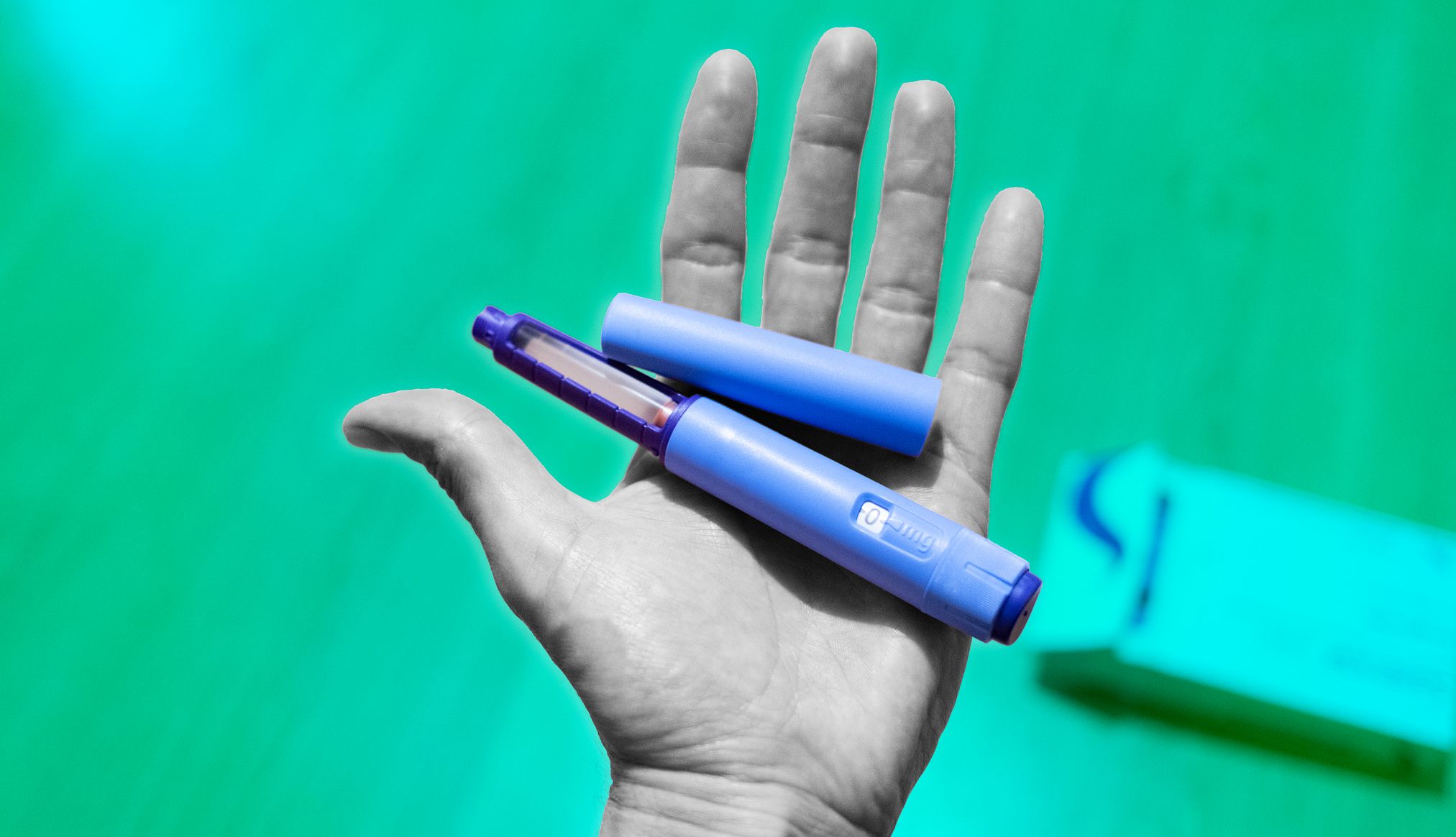
Popular GLP-1 weight loss drugs are now available to some Medicare enrollees for $50 a month under a new bridge program that launched July 1, marking the first time Medicare has covered any medication for weight loss
The lower copay, a fraction of what the drugs can cost out of pocket, will no doubt increase accessibility to nearly 4 million beneficiaries who could be eligible for a prescription. But while there are real benefits to GLP-1s, experts caution there are also risks — and the risks can be higher in older people, says Dr. K. Eric De Jonge, director of geriatrics at MedStar Washington Hospital Center in Washington, D.C
More Ways to Benefit
View All
- Related Benefit 1
- Related Benefit 2
- Related Benefit 3
- Related Benefit 4
- Related Benefit 5
Very few people 65 and older were enrolled in the clinical trials reviewed by federal regulators for the drug’s approval, says Dr. Alissa Chen, who treats older adults with <a href="https://healthylife7.com/obesity-can-disturb-hormones-to-womens-fertility/” title=”Obesity Can Disturb Hormones to Women's Fertility”>obesity at Yale New Haven Health. This left doctors with limited evidence about how the drugs affect older adults. What’s more, many older adults have coexisting health issues and take medications to treat them that can be affected by GLP-1s
Here are five things older adults should discuss with a doctor before starting a GLP-1
1. Drug interactions
GLP-1 drugs slow stomach emptying, which is part of why they keep you feeling full — and that same slowing can change how quickly some oral medications reach the bloodstream
“For most drugs, that shift in timing doesn’t matter much. But it can matter for medications with a narrow therapeutic index — ones where the gap between too little and too much is small, and where too little can be as dangerous as too much,” says Dr. G. Caleb Alexander, founding co-director of the Johns Hopkins Center for Drug Safety and Effectiveness
These drugs include warfarin, thyroid hormone (levothyroxine), digoxin, some anti-seizure medications and transplant anti-rejection drugs. GLP-1 drugs may also affect the amount of blood pressure or diabetes medication you need, since weight loss can improve both conditions. So your doctor may need to adjust your dosage of these drugs if you are taking a GLP-1; you may even be able to get off of them altogether, says Tina Zolfaghari, an ambulatory pharmacist specialist and assistant clinical professor at the University of California, San Francisco.
A study presented at the annual meeting of the Endocrine Society earlier this year, for example, used health records to track more than 42,000 adults taking at least two types of blood pressure medications. After starting GLP-1 drugs, some patients experienced higher rates of dizziness, fainting and other health events linked to low blood pressure. The events were most common among people 65 and older and people with diabetes
