


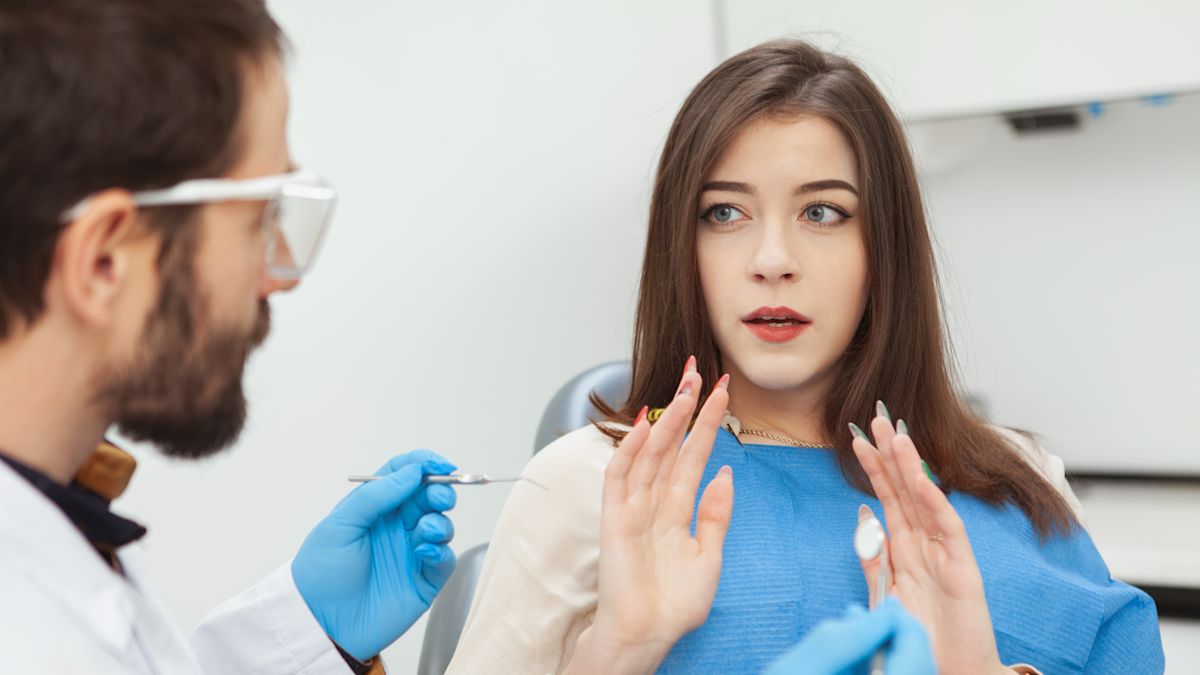
When Dr. Anamaria Castillo, a board-certified periodontist, sees a new patient walk through her door after years or sometimes decades of avoiding care, she said the first thing she notices isn’t their teeth. It’s the look on their face. According to a 2025 study published in the Journal of the American Dental Association, nearly 73% of U.S. adults report some level of dental fear, and that can sometimes scare people away from seeking help for even severe tooth and gum issues
“Most people who have avoided the dentist for years come in bracing for criticism or bad news,” she said. “Before I even look in a patient’s mouth, I want them to feel heard and respected.”
It’s a posture she has perfected over years of treating patients who arrive with both compromised gum health and the weight of shame that kept them away far longer than it should have. While that shame is deeply human and entirely understandable, Castillo said the cost of giving in to it is far greater than most people realize. In addition to being detrimental to their teeth, it can place their hearts and brains in danger, too.
The disease that stays quiet until it’s serious
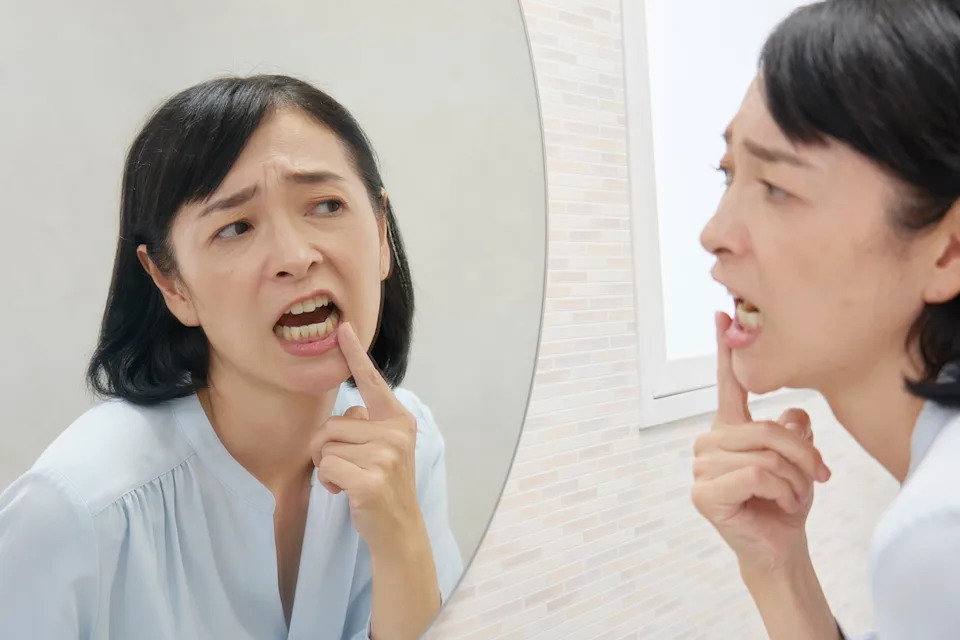
Periodontal disease is one of medicine’s most effective imposters. It rarely announces itself with pain. It doesn’t send obvious warning signals in its early stages. However, it progresses until the damage is significant enough to finally make itself known
Advertisement
“If you’re waiting for an ache to signal it’s time for a check-up, you’re giving the disease a head start,” Castillo shared. “By the time you actually feel it, it’s usually because the disease has progressed to a more serious stage — for instance, an abscess or significant bone loss that makes your teeth feel mobile or changes your bite.”
She noted that periodontal disease is the number one cause of tooth loss, yet most patients have no idea this is the case. The more common assumption is that cavities are the primary threat. In reality, it’s the chronic inflammation quietly eroding the bone and tissue that hold teeth in place that poses the greatest long-term risk
The signs are subtle but knowable. One might experience bleeding when brushing, a littel gum recession, or sensitivity that wasn’t there before. “Don’t wait for it to hurt,” she emphasized. “That’s your sign to come in.”
Your mouth is the gateway to your entire body

If the conversation around periodontal disease stopped at tooth loss, the stakes would already be high. However, the research emerging over the past two decades has revealed something far more alarming: what happens in the mouth doesn’t stay in the mouth
Advertisement
“Your mouth is the gateway to your entire body,” she said. “Periodontal disease is a chronic inflammatory disease, and there are over fifty systemic diseases linked to inflammation in the mouth.”
“Periodontal disease is one of the most prevalent chronic conditions worldwide, affecting nearly 50% of the global population, with severe forms impacting approximately 10% – 15% of adults. Research has identified potential links between periodontal disease and a wide range of serious health conditions—including pregnancy complications, cardiovascular disease, cancer, arthritis, diabetes, Alzheimer’s disease, and more.”
She added, “While we shouldn’t say gum disease directly causes a heart attack or Alzheimer’s in a simple one-to-one way, the ‘inflammatory burden’ it puts on your body is significant. It’s a bigger-picture issue.”
“We no longer view periodontal care as just ‘saving teeth,'” she noted. “It’s about reducing the total amount of inflammation your body has to fight every day.”
Advertisement
The biological pathway, she explained, begins with the gums themselves. They are highly vascular — packed with blood vessels — and when they become inflamed, they develop microscopic ulcerations that essentially create a leaky barrier. “This allows bacteria from plaque to enter the bloodstream,” she said. “Once in circulation, the bacteria can contribute to systemic inflammation in various areas throughout the body.”
The relationship is also bidirectional, which Castillo said makes it particularly complex to manage. Systemic conditions like diabetes don’t just coexist with gum disease — they actively worsen it. And severe gum inflammation, in turn, makes blood sugar harder to control. “It’s a two-way street,” she noted, “and addressing one without the other leaves the body fighting on two fronts.”
It is almost never too late to seek treatment
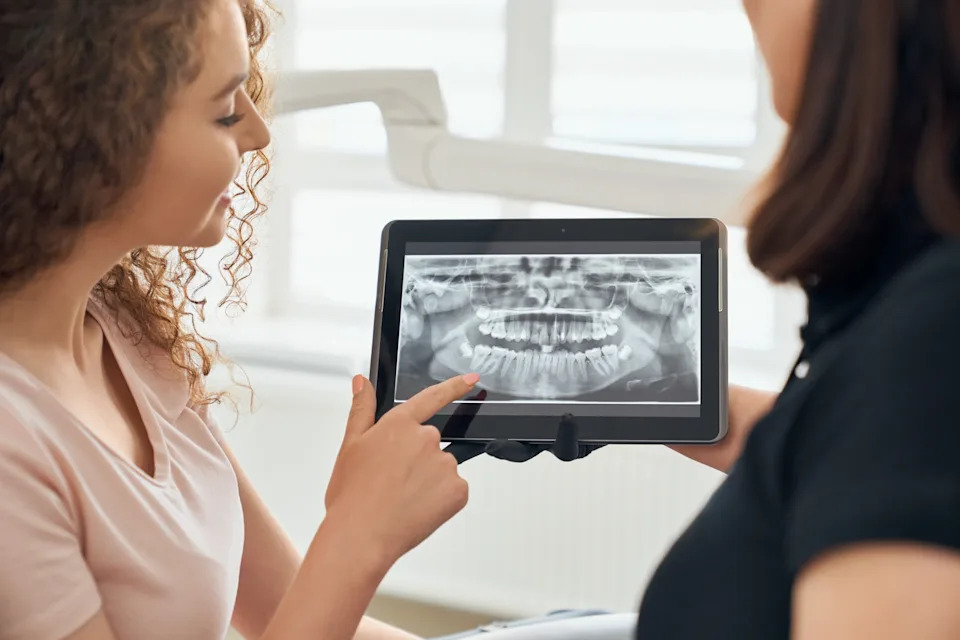
One of the most persistent fears among patients who have avoided care for years is that the window has closed and that the damage is simply too far gone to fix. Castillo pushed back on this directly
“It often is never ‘too late,'” she clarified, “but it can be more complex to manage, and sometimes our goals shift.”
Advertisement
She was honest about what that shift looks like: there is no cure for periodontal disease. Like diabetes or cardiovascular disease, it is a chronic condition that requires ongoing management rather than a one-time fix. However, management, she emphasized, is genuinely achievable, and the starting point is almost always the same, regardless of how long a patient has waited to receive care
“We start with initial therapy, which involves eliminating the infection, calming the inflammation, and stabilizing the foundation of your teeth,” she said. From there, treatment is tailored to what remains: how much bone support exists, how stable the teeth are, and what regenerative options may apply
Saving natural teeth, she noted, is always the first goal. For teeth that can’t be saved, modern periodontology offers predictable, aesthetically sound alternatives: implants, fixed bridges, implant-supported prostheses. These may restore both function and appearance.
“The sooner you come in, the more we can save,” she said. “But no matter how long it’s been, there is almost always a path forward that improves your health, comfort, and quality of life.”
Modern periodontal care looks nothing like what you may remember
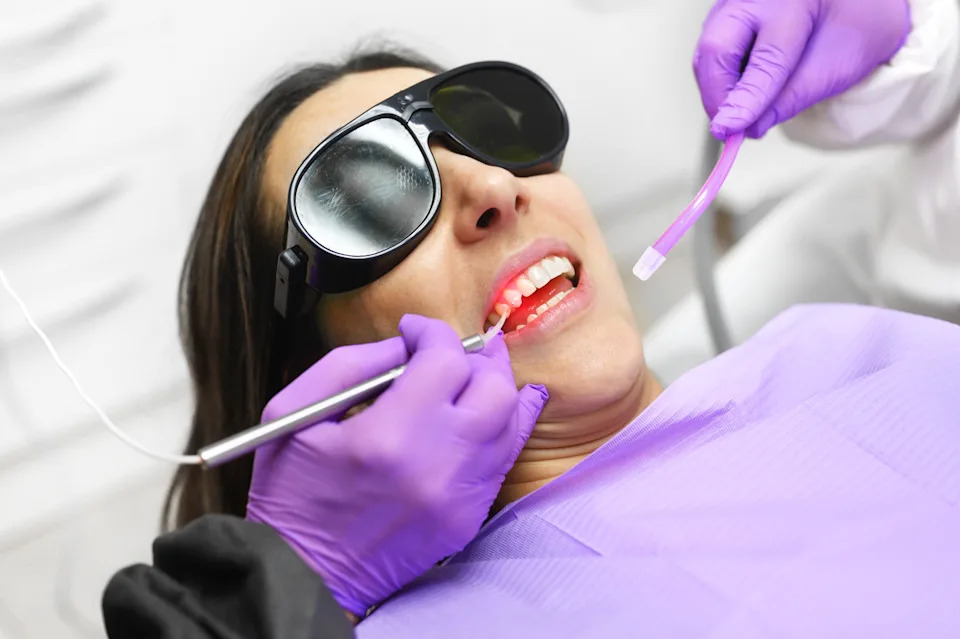
Much of the fear surrounding dental treatment may be rooted in a childhood experience, a single painful appointment, or decades-old assumptions about what the chair feels like. Castillo said that for patients who walk in carrying those memories, the most powerful moment is often the realization that the field has fundamentally changed
Advertisement
“Periodontal treatment today is more precise and far less traumatic,” she said. Where treatment once required larger incisions and more extensive surgery, today’s approach is guided by high magnification and dental endoscopy, allowing for minimally invasive, precision-guided care. Laser-assisted therapy can disinfect gum tissue and remove diseased areas with minimal bleeding and swelling. Regenerative materials — biologics and grafting compounds — can rebuild lost bone support in ways that weren’t possible a decade ago. Even implant placement, she noted, can now be assisted through robotics, enabling streamlined workflows and precise positioning.
“The biggest shift is that treatment is now highly customized and conservative,” she explained. “Patients notice less time in the chair per visit, a more manageable post-operative period, and a more comfortable overall experience.”
The fear of pain is the single most common anxiety she encounters, and she called it the most unfounded fear of all. “Modern periodontal care is remarkably manageable,” she said. “Most of my patients are surprised to find that post-operative discomfort is mild and easily handled with over-the-counter pain management.”
What actually happens when you walk through the door
For patients who have spent years imagining the worst, Castillo said the first appointment often feels like a revelation because it doesn’t look anything like what they pictured
Advertisement
Every new patient begins with a consultation, not a procedure. Castillo spends the majority of that first visit listening to the patient’s concerns, their history, their goals, and the specific fears that almost kept them from making the appointment at all. She explains the nature of periodontal disease, walks the patient through what treatment would involve, and makes sure the patient leaves feeling informed rather than overwhelmed
“Education is very powerful,” she said. “I want patients to feel well informed and in control of their decisions in their care plan moving forward.”
During treatment itself, she said, predictability is paramount. Every step is briefly explained before it happens. Nothing is rushed. Also, the care doesn’t end when the patient leaves; her team follows up the next day to check in and address any questions or concerns
She also said something that many patients don’t expect to hear from a clinician: oral care, in her view, is a form of self-care. She works with patients to develop daily routines and identify tools they’ll actually feel motivated to use. The partnership between clinician and patient, she said, is what makes long-term management possible
The shame that keeps people away and what to do with it
Of all the barriers Castillo sees in her practice, shame may be the most insidious. It actively prevents people from seeking care. She noted that it’s almost always worse in the patient’s mind than in any clinician’s
Advertisement
“You don’t need to justify the time that has passed or apologize for where things are now,” she said. “Oral health is a journey, and we are trained to meet you where you are.”
To anyone who has been letting embarrassment keep them from making the call, she offered this directly: “What you’re imagining the appointment will feel like is usually much worse than what it actually is. No experienced periodontal team is focused on judging how long it’s been since your last visit. We’re focused on what we can do from here.”
The one action she wanted readers to take in the next 48 hours

For people who need dental care yet hesitate, Dr. Castillo advised: “Pick up the phone and schedule a periodontal evaluation. Don’t wait until you feel ready or something hurts.”
For anyone anxious about what to say when they call, she offered a simple script: “I haven’t been to the dentist in a while and I’m concerned about my gum health. I’d like to schedule a consultation with a periodontist.”
Advertisement
That’s it because you don’t owe anyone an explanation or an apology. “From there,” she said, “everything becomes a structured, manageable plan.” She added that it’s a collaborative one where the patient is involved in every step and the goal is always the same: managing disease, preserving health, and improving quality of life
Thanks for reading. I invite you to follow me on Yahoo for more reporting on health, wellness, and the conversations your doctors wish you were having
About Our Expert:Anamaria Castillo, DMD, MS, board-certified periodontist at Edgard El Chaar DDS, PC. She is dedicated to patient education, emphasizing the important relationship between periodontal disease and one’s overall systemic health. Dr. Castillo earned her Doctorate of Dental Medicine from Temple University Kornberg School of Dentistry in Philadelphia, Pennsylvania, graduating with the highest honors. She was the recipient of the prestigious Dean’s Award for Exemplary Patient Care
Robin Raven is a journalist covering health and medicine. This article is based on an interview with Dr. Anamaria Castillo and is intended for informational purposes only. It does not constitute medical advice, diagnosis, or treatment. Always consult a qualified healthcare provider or licensed dental professional regarding any questions you may have about your oral health or a medical condition
Robin Raven Creator
Robin Raven is a journalist who covers travel, entertainment, health, wellness and more. You can often find her writing songs, flying somewhere she’s never been, reading and listening to Taylor Swift.
Creators are not employed by Yahoo. Views expressed by creators do not reflect the opinions and position of Yahoo.Learn how to become a creator.
